
Reviewed · DAY TRIPS FROM SEOUL
Gyeongju UNESCO Sites Tour by KTX train; The Museum Without walls
Gyeongju is often called a museum without walls, and this trip gives you a concentrated look at why: royal tombs rise from grassy mounds, an early observatory stands in an open field, and Silla-era Buddhist art fills a mountainside grotto. I like that you reach the city by KTX and have a private guide to connect its scattered sites into a story.
I also like that the price includes train tickets, admissions and a private vehicle transfer, so you do not have to piece together a long day across several locations. Guides named in accounts of the tour include Jay, John and Dylan, though your assigned guide may differ.
The trade-off is distance. The train ride and six sightseeing stops make this a full, tightly scheduled day, and much of the visit is outdoors. Rain can take the shine off the tombs, observatory and temple grounds, so consider the forecast and your appetite for a long excursion before booking.
- A proper Silla sampler: See a royal tomb, museum, observatory, palace pond, temple and grotto in one trip.
- Private from start to finish: Only your group joins the tour, with a local guide in Gyeongju.
- KTX tickets are covered: Round-trip economy-class fare is included, along with Seoul-area hotel pickup.
- Admission costs are included: The museum is free to enter, and tickets for the other listed sites are covered.
- Food is on you: Meals are excluded, so plan to buy lunch during the day.
- The schedule is ambitious: Six one-hour site visits plus long-distance rail travel leave little room for a slow pace.
Gyeongju is the point, not just the train ride
Gyeongju served as the capital of the Silla kingdom for centuries. That long era left the city with royal burial mounds, Buddhist monuments and archaeological finds that help explain how Silla shaped the Korean Peninsula. This tour offers a brisk route through several different kinds of evidence, rather than asking you to choose between a museum day and a temple day.
The nickname Museum Without Walls makes sense once you see how the historic sites sit among the modern city. You are not visiting one enclosed complex. The tombs, observatory, palace grounds and temple are separate stops, so a guide and private transport matter: they help you spend more of your day looking at the sites and less of it figuring out how to connect them.
This is a private activity, so only your own group takes part. That does not mean the day is leisurely. The stated duration is about eight to nine hours, and the itinerary includes six stops, each listed at roughly an hour, as well as the rail journey from Seoul. Treat the schedule as a full-day overview, not an unhurried study visit.
The KTX makes the long day workable
The tour starts at 7:00 am and includes pickup in Seoul-area hotels. A private vehicle transfer and round-trip KTX fare in economy class are part of the package. The train journey is described in tour accounts as taking about two hours, which makes Gyeongju reachable for a day trip, but it is still a substantial travel day before sightseeing begins.
The transport arrangement is especially useful if you are not comfortable navigating a train station in an unfamiliar city. Some tour arrangements have included an escort to the station and help getting to the train seats; in Gyeongju, your local guide meets you after arrival. Those details may vary, so confirm the exact pickup and station procedure when booking rather than assuming every handoff will be identical.
One important distinction: hotel pickup is included, but hotel drop-off in Seoul is not. The included private-vehicle transfers and the excluded Seoul drop-off can sound contradictory at first glance. Check with the provider about where the included vehicle service begins and ends, and budget time and money for your return from the final drop-off point.
More day trips from Seoul:
- Full Day Tour In The Soop BTS Ver in PyeongChang Filming Location
★ 5.0 · 1,709 reviews - Mt. Seorak+Nami Island+Garden of Morning Calm Day Trip from Seoul
★ 5.0 · 959 reviews - From Seoul: Nami Island, K-drama Garden & Rail Bike Day Tour
★ 4.6 · 724 reviews
Cheonmachong brings the burial mounds close
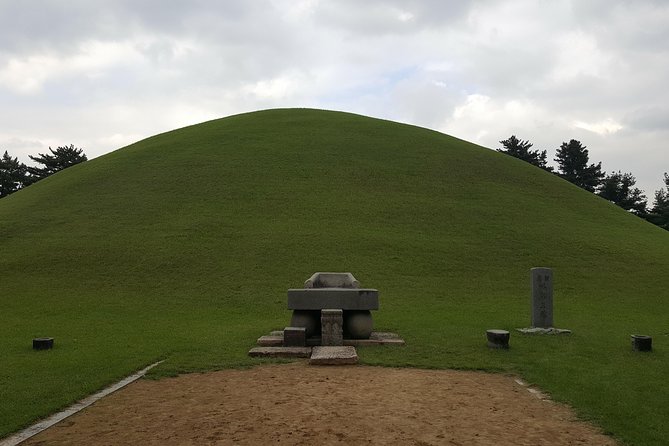
The first stop, Cheonmachong Tomb, puts you among more than 20 large and small burial mounds from the Silla period. These grassy, rounded forms are believed to hold members of the royal family and court officials. Their scale gives you an immediate sense that Gyeongju’s history is not tucked away in a single museum building.
A particularly memorable possibility is entering an excavated tomb. One account of the tour describes walking inside one, an experience that can make the difference between simply seeing a mound and understanding what lies beneath it. Do not assume every tomb is open for entry, though. The listed stop is Cheonmachong, and access may depend on what is open on the day.
Give yourself time to look at the shapes and layout, not just take a photograph and move on. The mounds are outdoors, so weather matters. In rain, the site can be less comfortable, and the visual impact of the green grounds may be diminished.
The National Museum supplies the missing context
Gyeongju National Museum is the tour’s best chance to gather the city’s history in one place. Its main archaeological hall displays Silla finds, including ceremonial objects and other material that helps you picture the people who built the tombs and temples. After seeing ancient sites outdoors, the objects inside can make the scale and craftsmanship of the kingdom easier to grasp.
The museum stop is listed at an hour, and admission is free. That is a useful pause in a day with a lot of movement, but it is not enough time to examine every exhibit closely. I would use the guide to identify the objects that best connect with the tombs and religious sites you will see later, rather than trying to cover every room.
A good guide can make this stop especially valuable by linking objects to the wider Silla story. Guides named in accounts of this tour include Jay, John and Dylan. One visitor described John sharing stories about the city and its past, while other accounts praised guides for explaining history and culture. The specific guide is not guaranteed, and clear communication matters: one visitor found a guide’s accent difficult to follow despite appreciating the depth of his knowledge. If you have trouble hearing or understanding, say so early and ask your guide to slow down or repeat key points.
Cheomseongdae is small, old and easy to underestimate
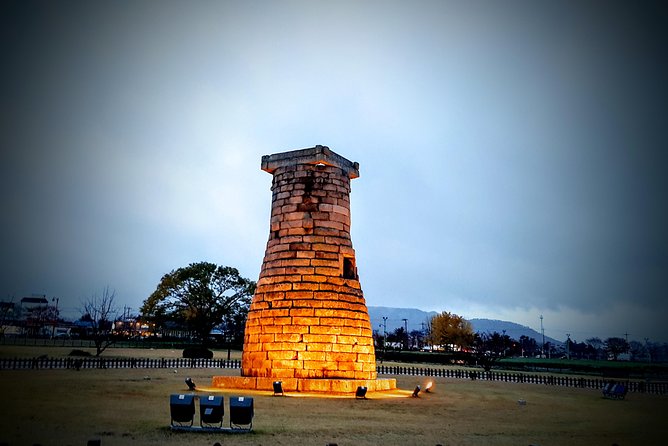
Cheomseongdae means Star Gazing Tower. Built in 634 during the reign of Queen Seondeok, it is identified as the oldest surviving observatory in the Far East. Its stone structure has 27 levels, a compact form that looks modest beside grand temples and burial mounds.
That modest scale is part of the appeal. The tower is a reminder that Silla’s achievements were not only religious or funerary; the kingdom also observed the sky and built a structure associated with astronomy. The stop is outdoors and listed at about an hour, giving you time to view the tower and hear its place in the city’s history.
It is not a sprawling monument, so do not expect an hour of visual spectacle at the tower itself. Its meaning depends on context. This is where a guide can help you notice why an apparently simple stone structure has held such importance.
Fancy a different kind of day?
- Best DMZ Tour Korea from Seoul (Red Suspension Bridge Optional)
★ 5.0 · 41,422 reviews - DMZ Tour: 3rd Tunnel, Option(Suspension Bridge, Boat) from Seoul
★ 5.0 · 21,373 reviews - DMZ tour south Korea from Seoul (NK experience hall, defector)
★ 5.0 · 20,599 reviews - Seoul: DMZ Tour with Optional Suspension Bridge
★ 4.8 · 5,277 reviews
Wolji Pond adds a palace setting
Donggung Palace and Wolji Pond, historically known as Anapji Pond, shifts the mood from tombs and stonework to a royal setting shaped around water and gardens. The pond was built in 674, after the unification of the Korean Peninsula. Artificial hills, trees, flowers and animals were part of the grounds, forming a place for palace life and ceremony.
This stop gives the day some variety. After the archaeological focus of the tomb and museum, the pond’s setting helps you imagine how the Silla court used its surroundings. Admission is included, and the visit is listed at about an hour.
The site is still outdoors, so the same weather caveat applies. It is also one stop in a busy schedule, not a long evening visit. If you want a slow walk around the water or time to linger over the palace remains, this tour’s pace may feel hurried.
Bulguksa shows Silla’s Buddhist artistry
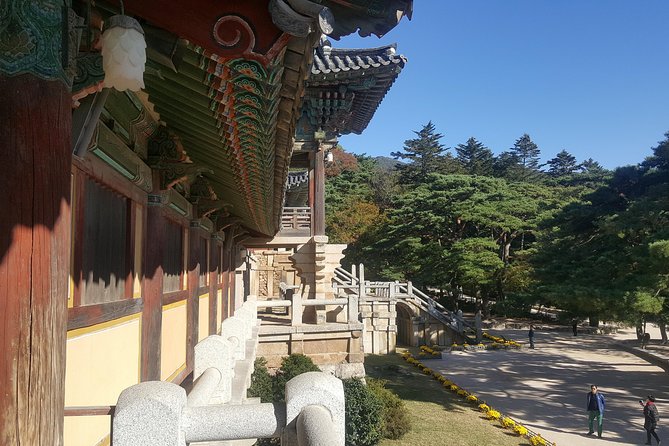
Bulguksa is described as Korea’s most famous Buddhist temple and is home to important Silla-era relics. Its best-known features include the stone pagodas Dabotap and Seokgatap, whose forms give the temple grounds a strong architectural focus. The visit adds religious history to a day otherwise anchored by royal burials and archaeological objects.
The temple stop is listed at one hour, with admission included. That is enough to see key features with a guide, but not necessarily enough for a long, reflective visit. As at the other outdoor locations, your experience depends partly on the weather and on how much time the group needs to move between areas.
Bulguksa is one of the day’s major highlights, but it is worth keeping your expectations practical. This is a survey of the temple, not a dedicated temple study tour. If Buddhist art and architecture are your main interest, you may wish you had longer here.
Seokguram rewards the trip uphill
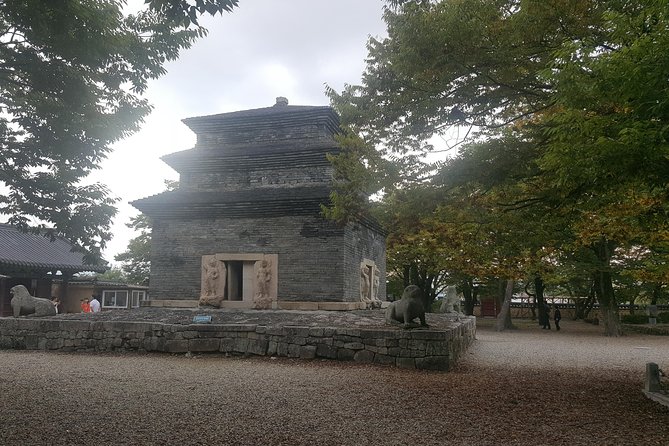
Seokguram Grotto is a hermitage connected with the Bulguksa temple complex. It sits about 750 metres above sea level and looks toward the East Sea. Inside, the grotto holds Buddhist sculptures regarded as among the finest in the world.
The setting makes this a distinct final stop: you move from city sites and temple grounds to a mountain location with a wide outlook. The combination of the sculpture and the surrounding height is a fitting counterpoint to the tombs in the city. Admission is included, and the listed visit is about an hour.
Keep in mind that the grotto is not in the center of Gyeongju, which is one reason the private vehicle is valuable. You avoid having to work out the connections yourself, though the drive and stop still add to a day already full of travel. If rain or poor weather arrives, the views can be less rewarding, and the outdoor portions of the tour may feel harder.
What the $470 price buys you
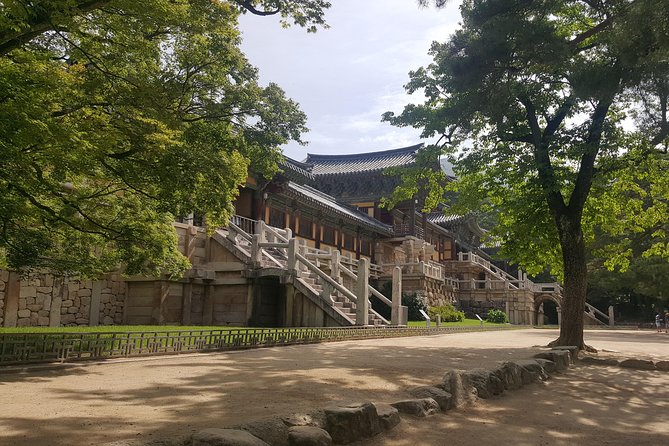
At $470 per person, this is not a budget way to visit Gyeongju. The price includes round-trip economy KTX tickets, Seoul-area hotel pickup, private-vehicle transfers, an English-speaking local guide and admission fees to the paid sites. The museum is free, but the package covers the other listed admissions.
The central value is convenience. You avoid buying train tickets separately, arranging transport between six sites and managing the day without local help. A private tour also gives your group its own guide rather than requiring you to keep pace with strangers. Group discounts are offered, though the amount is not specified.
On the other hand, meals are not included, and neither is hotel drop-off in Seoul. The long rail journey also means you are paying for a very full day, not six leisurely visits. The tour makes the most sense if you are short on time, strongly interested in Silla history and willing to pay for a coordinated private outing. If you have several days in Korea and prefer to explore at your own pace, an overnight stay in Gyeongju may suit you better.
The tour is booked, on average, about 52 days ahead, so I would not leave it until the last minute if your dates are fixed. It has a 4.6 rating from 11 reviews, with 91 percent recommending it. The most consistently praised features are the organization, the guides’ historical explanations and the ease of combining several distant sights in one day. One negative experience involved heavy rain, a reminder that much of the itinerary is exposed to the weather.
Who should book this Gyeongju day trip?
Book it if you want a guided introduction to the Silla kingdom and have only one day to spare. It is particularly suited to history-minded visitors who appreciate the combination of tombs, artefacts, royal grounds and Buddhist monuments, and who value having the transport and admissions arranged in advance.
Think twice if you dislike early starts, long train rides or a tightly packed schedule. The six stops cover a lot, but that breadth comes at the cost of time at each site. You also need to arrange your own meals and plan for the Seoul return after the included pickup service.
For the right person, this is a practical way to see why Gyeongju is more than a collection of old stones. The train and private transfers take care of the hard logistics, while the guide helps tie the sites together. Just go in ready for a long day, and check the weather before you set out.
FAQ
What is included in the $470 tour price?
The price includes round-trip economy-class KTX tickets, Seoul-area hotel pickup, private-vehicle transfers, an English-speaking local guide and admission fees to the tourist sites. Meals and hotel drop-off in Seoul are not included.
What time does the tour start?
The stated start time is 7:00 am.
How long does the tour last?
The approximate duration is eight to nine hours. The schedule includes six sightseeing stops as well as travel between Seoul and Gyeongju, so expect a full day.
Is this a private tour?
Yes. Only your group takes part in the activity.
Which sites are included?
The itinerary lists Cheonmachong Tomb, Gyeongju National Museum, Cheomseongdae Observatory, Donggung Palace and Wolji Pond, Bulguksa Temple, and Seokguram Grotto.
Are meals provided?
No. Meals are not included in the tour price.
Can I cancel for a refund?
You can cancel for a full refund if you cancel at least 24 hours before the experience starts. Changes or cancellations made less than 24 hours before the start are not accepted for a refund.
More museum visits in Seoul
- Seoul: War Memorial of Korea Private Guided Museum Tour
★ 4.9 · 29 reviews - DMZ Tour + The War Memorial of Korea Museum
★ 5.0 · 28 reviews - Color Pool Museum
★ 4.0 · 22 reviews - SEOUL: Gugak – Korean Traditional Music Museum&Concert Tour
★ 4.7 · 17 reviews
Latest reviews from Seoul
- From Seoul: Hwacheon Ice Fishing and Lighting Festival Tour★ 4.5 · 4 reviews
- Unique Native Experience : Han River Picnic, Board game, BBQ★ 5.0 · 3 reviews
- You’re Invited to Our Home in Seoul: The Only Cooking Class!★ 5.0 · 8 reviews
- Seoul: Gangneung BTS K-Pop & K-Drama Filming Locations Tour★ 4.6 · 14 reviews
- Yun Korean Cooking Class in Seoul★ 5.0 · 6 reviews
- 2-Hour Private Kayaking and Paddleboarding Experience in Hanriver★ 5.0 · 3 reviews
- Day Trip to Yongin Daejanggeum and Korean Folk Village from Seoul★ 4.0 · 9 reviews
- K-Pop Making Class with a Producer!★ 5.0 · 3 reviews
Day Trips from Seoul, compared.
Full Day Tour In The Soop BTS Ver in PyeongChang Filming Location
Read our review →
Mt. Seorak+Nami Island+Garden of Morning Calm Day Trip from Seoul
Read our review →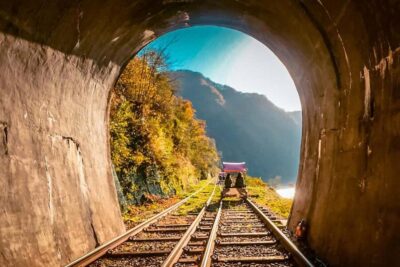
Nami Island, K-drama Garden & Rail Bike Day Tour
Read our review →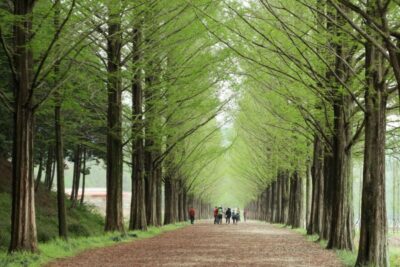
Gangwon-do Day Trip with Alpaca World & Nami Island
Read our review →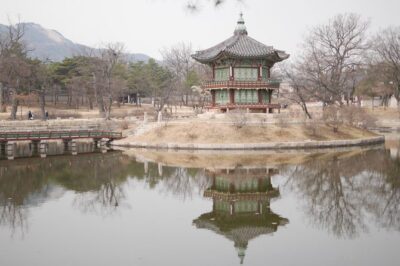
Seoul City Private Full-Day Tour Including Lunch
Read our review →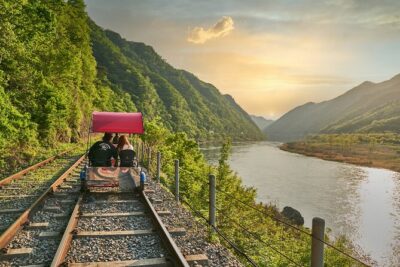
Day Trip to Nami Island with Rail bike and The Garden of Morning Calm
Read our review →
Seoul City Half Day Tour-Gyeongbok Palace Guard Changing Ceremony
Read our review →
Full-day Customizable Private Seoul Highlight Tour
Read our review →Browse the lists this tour appears in