
Reviewed · SEOUL TOURS
Seoul’s Hidden Dark History Guided Tour of Seodaemun Prison
Seodaemun Prison makes Korean independence history physical: you move through prison cells, interrogation rooms and the execution grounds where activists were held and killed. I like that the tour begins at Dongnimmun Gate, giving you context before entering the prison, and that a guide with more than 10 years of experience connects the site to people such as Yu Gwan-sun.
The main consideration is the subject matter. This is a serious visit to a place of imprisonment and execution, not a light stop between shopping and palace visits. You’ll also need to be comfortable with a two-hour walk and a moderate level of physical activity.
Key points before you book
- Two stops, about two hours: Spend 20 minutes at Dongnimmun Gate, then about 1 hour 40 minutes at Seodaemun Prison History Hall.
- A small group: The maximum group size is 10, which leaves room for questions and keeps the visit from feeling like a large procession.
- Prison admission is included: The stated price is $31.54 per person, with entry to the History Hall included.
- A guided look at difficult history: Expect stories about Korea’s independence movement, the prison’s use under Japanese colonial rule and the young activist Yu Gwan-sun.
- A focused afternoon plan: The tour starts at 2:00 pm and ends at the History Hall.
- Plan for a thoughtful visit: You’ll see solitary cells, interrogation rooms and the execution yard, so this is a sobering stop rather than casual sightseeing.
Start with the meaning of Dongnimmun Gate
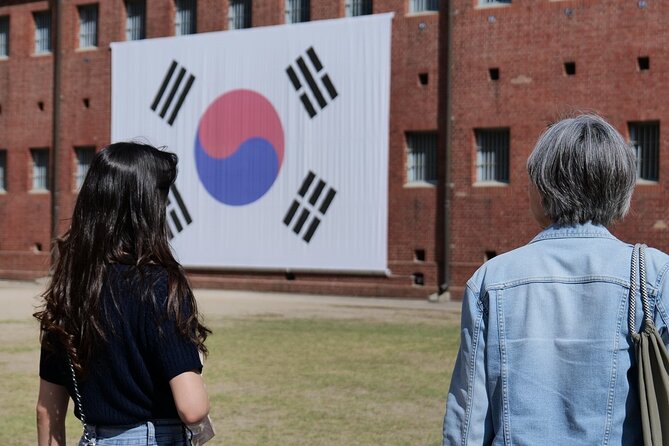
The tour begins at 102-6 Hyeonjeo-dong in Seodaemun-gu, near Dongnimmun Gate. The gate dates to 1890 and was built by Korea as a symbol of independence. That context matters: before you enter the prison, you’ll hear about a national story shaped by the desire for self-rule.
The stop lasts about 20 minutes, and admission is free. It is brief, but it gives the tour a useful frame. Instead of meeting the prison as an isolated building, you first consider the ideas and political pressures behind the independence movement.
I like this order. A short introduction at the gate helps you connect the people imprisoned at Seodaemun to a broader struggle, rather than treating their stories as a collection of tragic incidents. Your guide can provide the historical link before you move into the prison itself.
There is one practical limit: the gate stop is short. If you want a long, detailed discussion of its architecture or the full history of its construction, the available information does not promise that. The emphasis here is on its role in the story of Korean independence.
More history tours in Seoul:
- Seoul: Evening Dark History, Folklore & Ghost Story Walking Tour
★ 5.0 · 593 reviews - Hanbok Photoshoot and History Tour at Gyeongbokgung Palace
★ 5.0 · 276 reviews - From Seoul: Dae Jang Geum Park Historic K-Drama Set Tour
★ 4.9 · 143 reviews
Enter Seodaemun Prison History Hall
From Dongnimmun Gate, the tour continues to Seodaemun Prison History Hall at 251 Tongil-ro. The prison was constructed in 1908 during Japanese colonial rule. It was used to detain and execute Korean independence activists, and today it is a memorial site that recounts their sacrifices and the wider struggle for freedom.
You’ll spend about 1 hour 40 minutes here. That is the heart of the tour, and the time is long enough to move through several parts of the complex with a guide rather than simply stepping inside, glancing at a cell and leaving.
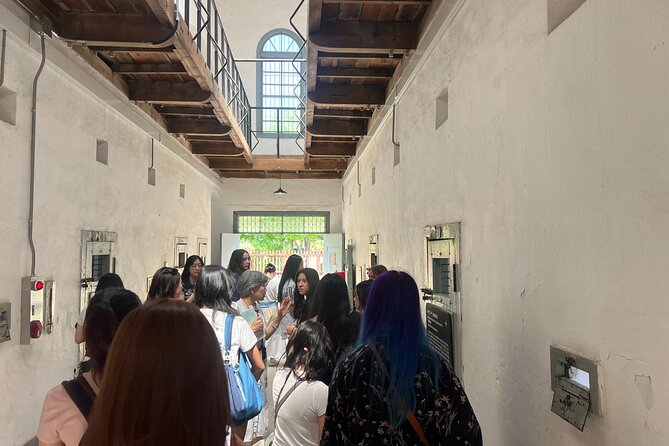
The route includes solitary cells, interrogation chambers and the execution yard. The tour description also specifies original prison cells and underground interrogation rooms. These spaces make the history immediate: the prison is not only an account of events, but a place where people were confined and questioned.
A guided explanation is particularly useful in a site like this. The rooms can show you where people were held, but context helps explain why the prison mattered and how it was used against those seeking independence. The tour is designed to connect the physical spaces with the movement and its human cost.
The subject is difficult, and the setting is meant to prompt reflection. You should expect accounts of imprisonment, interrogation and execution. If you prefer to process sensitive history at your own pace and without a guide, a guided visit may feel more structured than you want. If you’d like help connecting the place to the people and events behind it, that structure is a real advantage.
Hear Yu Gwan-sun’s story
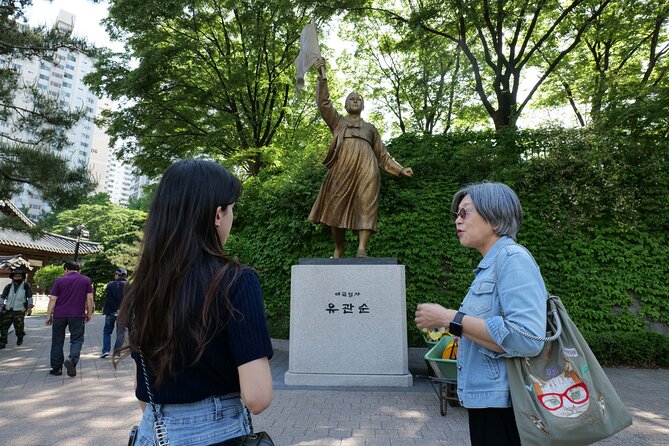
One of the tour’s central stories is that of Yu Gwan-sun, a 17-year-old student whose courage during the March 1st Movement made her a national symbol. Her story gives the independence movement a personal focus: you encounter not only a political cause, but a young person who took part in resistance and became a lasting emblem of courage.
The tour does not treat the prison solely as a collection of buildings. It links the cells and interrogation rooms to activists who faced punishment for opposing colonial rule. That connection is important if you want to understand why this place is a memorial, not simply an old prison.
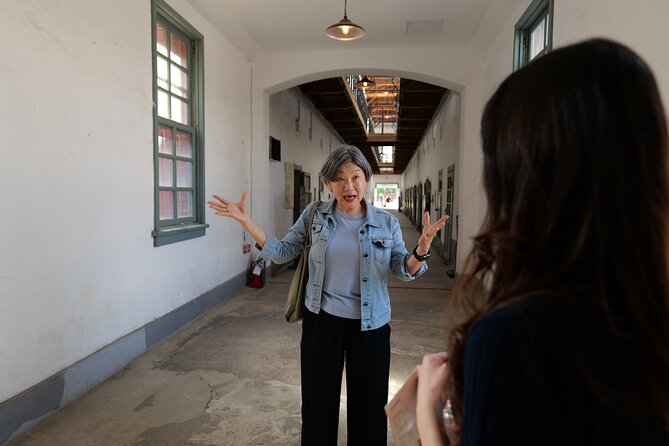
I also like that the guide is described as having more than 10 years of experience in Korean history. No guide name is provided, so you cannot request a particular person, but the stated experience suggests the tour is intended to offer more than a quick, surface-level account.
The visit is most valuable if you are willing to listen closely and take time with the stories. It is less suited to anyone looking for a fast, cheerful introduction to Seoul. The history here is painful, and the tour’s strength is its focus on the people who endured it.
What the two-hour format means for your day
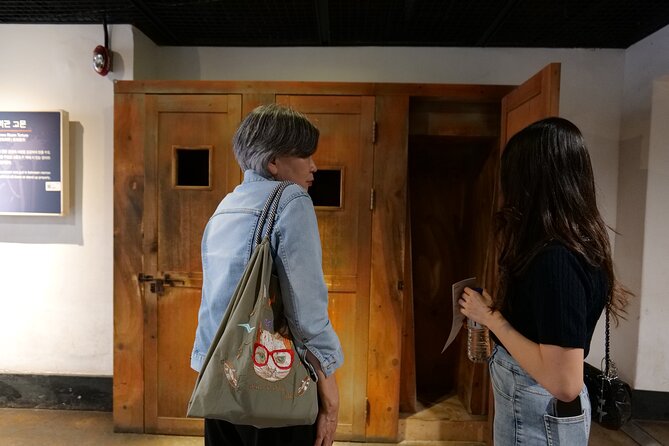
The tour starts at 2:00 pm and lasts about two hours. Its stated schedule allocates 20 minutes to Dongnimmun Gate and 1 hour 40 minutes to the prison. The end point is Seodaemun Prison History Hall, so you should plan the rest of your afternoon from there rather than expect to return to the meeting point as part of the tour.
The group is capped at 10 people. That is small enough to make questions more practical than they would be in a large coach group, and it gives the guide a chance to speak to the group without competing with a crowd. The listing does not promise private touring, so expect to share the guide with other participants.
The tour is described as requiring moderate physical fitness and being near public transportation. That is helpful, but it is not a specific guarantee about step counts, surfaces or wheelchair access. If mobility is a concern, check directly with the provider before booking rather than assume the route will suit your needs.
More guided tours in Seoul:
- Seoul: Night Market Food Tour with Local Guide
★ 4.9 · 943 reviews - DMZ Guided Tour with Suspension Bridge / Gondola from Seoul
★ 5.0 · 876 reviews - Downtown Seoul Guided Food & Market Tour with 8+ Local Tastings
★ 5.0 · 580 reviews - Seoul: DMZ Guided Tour with Suspension Bridge and Gondola
★ 4.9 · 553 reviews
Is $31.54 good value?

At $31.54 per person, this is a paid guided visit rather than simply an admission ticket. The prison entry is included, and the price covers a two-hour walk with a professional history guide. You are paying for interpretation and the connection between the gate, the prison and the independence movement, not just access to rooms.
That makes the price most worthwhile if you want context. A self-guided visit may let you move through the memorial site on your own schedule, but this tour is aimed at helping you understand what the spaces mean and how they relate to resistance under Japanese rule. If you already know the history well and prefer to read displays at your own pace, the guide may add less value for you.
The small group cap is another point in its favor. With no more than 10 participants, the tour is likely to feel more personal than a large group outing, though the exact group size on your date can vary. The tour is booked on average 31 days ahead, so it is sensible to plan early if this is a priority for your Seoul itinerary.
Who should take this tour?
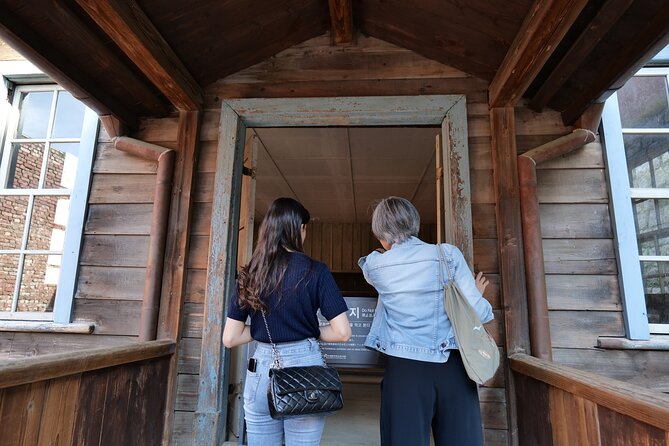
I’d choose this tour if you want to understand Seoul beyond its palaces, shopping streets and familiar city sights. It suits anyone with an interest in Korean history, independence movements or memorial sites, especially if you want a guide to connect the setting with people such as Yu Gwan-sun.
It can also work well for a first visit to Seodaemun Prison. You won’t have to piece together the significance of each stop alone, and the brief introduction at Dongnimmun Gate gives the visit a wider historical frame.
Think carefully if you are travelling with children or anyone who may find accounts of imprisonment and execution upsetting. The supplied information does not give an age recommendation, so use your judgment about whether the subject is appropriate for your group. The same goes for anyone who finds emotionally heavy sites difficult: this is a place to approach with care, not a quick photo stop.
Booking and cancellation details
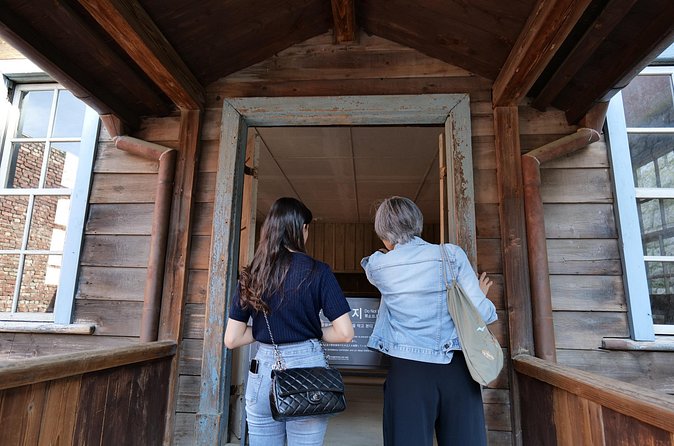
The meeting point is 102-6 Hyeonjeo-dong, Seodaemun-gu, Seoul, and the scheduled start is 2:00 pm. The tour ends at Seodaemun Prison History Hall, at 251 Tongil-ro. Confirmation is provided at booking.
You can cancel for a full refund up to 24 hours before the start time. Cancellations made less than 24 hours ahead are not refunded, and changes within that same period are not accepted. The cutoff follows local time in Seoul.
Should you book it?
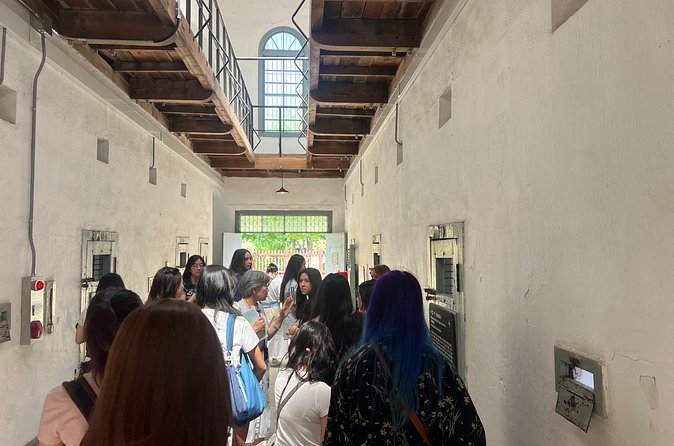
Book this tour if you want a carefully framed, two-hour introduction to the Korean independence movement at one of Seoul’s most sobering historic sites. The combination of Dongnimmun Gate, the prison’s cells and interrogation spaces, and Yu Gwan-sun’s story gives the visit a clear narrative rather than leaving you to connect the pieces alone.
Skip it if you want a light outing, need a fully self-paced visit, or are not comfortable with the subject of imprisonment and execution. For anyone ready to spend an afternoon with difficult history, the small group and experienced guide make this a strong way to understand the sacrifices behind modern Korea.
FAQ
How long is the tour?
It lasts about two hours. The schedule gives 20 minutes to Dongnimmun Gate and about 1 hour 40 minutes to Seodaemun Prison History Hall.
What time does the tour start?
The tour starts at 2:00 pm.
Where does the tour begin and end?
It begins at 102-6 Hyeonjeo-dong, Seodaemun-gu, Seoul, near Dongnimmun Gate. It ends at Seodaemun Prison History Hall, 251 Tongil-ro.
Is admission to Seodaemun Prison included?
Yes. Admission to Seodaemun Prison History Hall is included in the tour price.
What is the price?
The listed price is $31.54 per person.
How large is the group?
The tour has a maximum of 10 participants.
Can I cancel for a refund?
Yes. You can cancel up to 24 hours before the start time for a full refund. Cancellations made less than 24 hours before the tour are not refunded.
Latest reviews from Seoul
- From Seoul: Hwacheon Ice Fishing and Lighting Festival Tour★ 4.5 · 4 reviews
- You’re Invited to Our Home in Seoul: The Only Cooking Class!★ 5.0 · 8 reviews
- Unique Native Experience : Han River Picnic, Board game, BBQ★ 5.0 · 3 reviews
- Seoul: Gangneung BTS K-Pop & K-Drama Filming Locations Tour★ 4.6 · 14 reviews
- Yun Korean Cooking Class in Seoul★ 5.0 · 6 reviews
- 2-Hour Private Kayaking and Paddleboarding Experience in Hanriver★ 5.0 · 3 reviews
- Day Trip to Yongin Daejanggeum and Korean Folk Village from Seoul★ 4.0 · 9 reviews
- K-Pop Making Class with a Producer!★ 5.0 · 3 reviews
Seoul Tours, compared.
Best DMZ Tour Korea from Seoul (Red Suspension Bridge Optional)
Read our review →
DMZ Tour: 3rd Tunnel, Option(Suspension Bridge, Boat) from Seoul
Read our review →
DMZ tour south Korea from Seoul (NK experience hall, defector)
Read our review →

Signature DMZ Tour: Exclusive Defector Talk & Suspension Bridge
Read our review →
Thrilling Korean DMZ 3rd Tunnel Tour from Seoul + Red Bridge Rush
Read our review →
DMZ Past and Present: Korean Demilitarized Zone Tour from Seoul
Read our review →
Ultimate Korea DMZ Tour from Seoul (Gondola & Suspension Bridge)
Read our review →Browse the lists this tour appears in