Reviewed · SEOUL TOURS
Savoring Authentic Korean Liquor and Cuisine
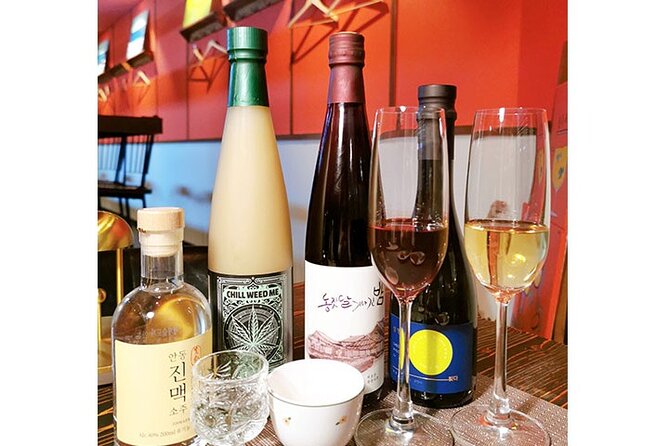
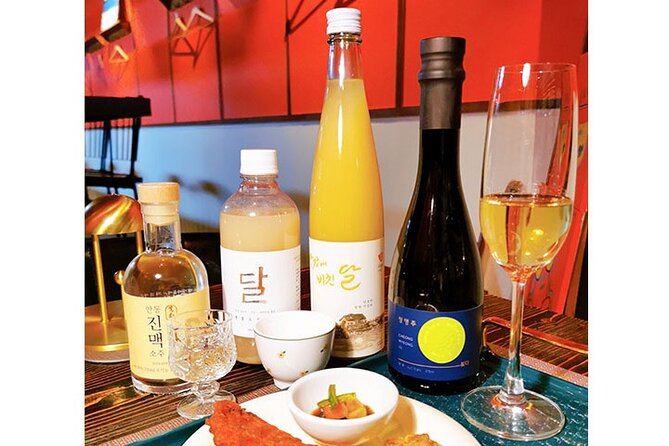
Korean liquor here means more than the familiar green bottle of soju. With Chef Hyesun, you’ll taste three traditional styles from small breweries around Korea and learn how rice, mountain mineral water, and naturally fermented yeast come together in the glass.
I like the chance to compare takju, cheongju, and distilled liquor side by side, and the way anju, or food served with drinks, makes the tasting about Korean flavors as well as alcohol. One consideration: the venue is in Magok, not central Seoul, and you’ll need to contact Hyesun after booking to confirm details and flag any food allergies.
Key points
- Three styles in one sitting: Try takju, cheongju, and distilled liquor, with an introduction to how traditional Korean liquor is made.
- Regional bottles: Hyesun selects drinks from local breweries across Korea, including bottles that may be difficult to find in shops or restaurants.
- Food is part of the lesson: Anju may include vegetable pancake, meat pancake, and kimchi bibim noodles, depending on ingredient availability.
- A small group: The experience has a maximum of six people, giving the tasting an intimate, conversational feel.
- A short, focused outing: Allow about 90 minutes at Lodge Magok in Seoul’s Gangseo-gu district.
- Check details directly: After booking, message Hyesun on WhatsApp about the schedule and any food allergies.
What the three Korean liquor styles bring to the table
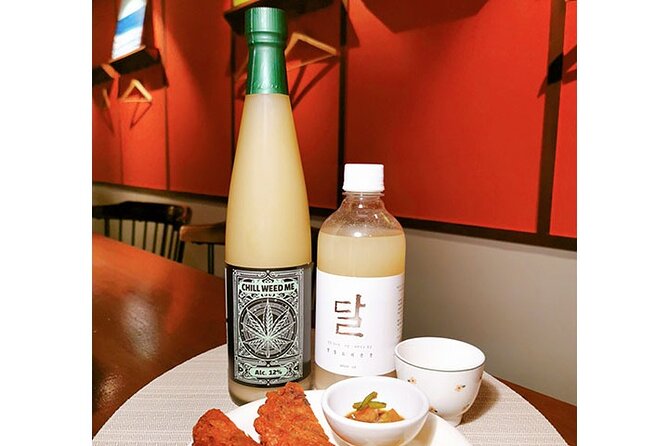
The tasting covers three broad categories: takju, cheongju, and distilled liquor. That range matters. Rather than spending the session on one familiar drink, you get a chance to compare different expressions of traditional Korean brewing and distilling in a single sitting.
Takju is presented as one of the traditional styles to sample, alongside cheongju and a distilled liquor. The specific bottles and pour sizes aren’t listed, so you shouldn’t expect a fixed brand lineup or a precise number of samples. What you can expect is a guided tasting of three styles, with Hyesun explaining the drinks and sharing their place in Korean liquor culture.
The focus is on traditional production, not mass-market soju. The experience describes Korean traditional liquor as made from Korean rice, mountain mineral water, and naturally fermented yeast. That simple list gives you a useful starting point for paying attention to how different brewers can produce drinks with varied body and flavor.
A previous participant particularly valued having plenty of information and samples, and noted the variety among local drinks. That’s a good reason to book if you enjoy comparing rather than simply ordering a drink and moving on. You can ask how the styles differ and decide for yourself which one suits your palate.
More Seoul tours and experiences:
- Best DMZ Tour Korea from Seoul (Red Suspension Bridge Optional)
★ 5.0 · 41,422 reviews - DMZ Tour: 3rd Tunnel, Option(Suspension Bridge, Boat) from Seoul
★ 5.0 · 21,373 reviews - DMZ tour south Korea from Seoul (NK experience hall, defector)
★ 5.0 · 20,599 reviews
Hyesun’s regional selection goes beyond the usual bottle
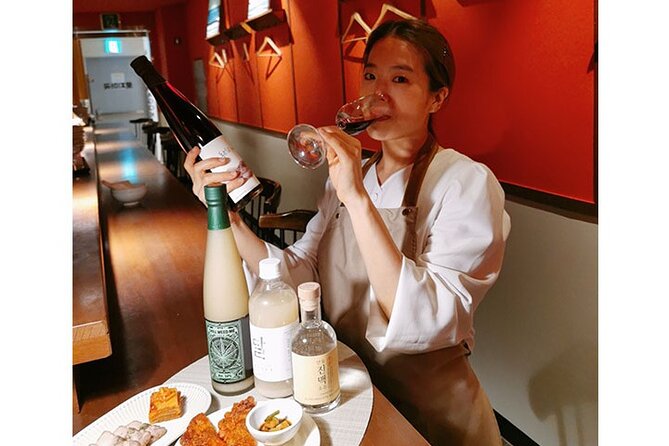
Chef Hyesun runs a restaurant specializing in traditional liquor and chooses drinks from small breweries around Korea. The selection is described as something you may not find in an ordinary store or restaurant. That turns a tasting into a practical introduction to producers and styles you might not encounter during a standard Seoul meal.
The number of small traditional liquor breweries in Korea is given as more than 1,400. You won’t visit those breweries on this outing, but that figure helps explain why a focused selection can be more revealing than a single familiar label. A short tasting can give you a sense of the range without asking you to track down bottles across the country.
There’s a useful contrast here with factory-made soju, which is widely known outside Korea. Hyesun’s aim is to show a different side of Korean drinking culture through drinks made using traditional methods. If your experience of Korean liquor is limited to green-bottle soju, you’ll have a clear point of comparison.
Don’t go expecting a lecture on every region or brewery. The session lasts about an hour and a half, and the supplied details don’t promise a specific brewery-by-brewery breakdown. Think of it as a compact introduction led by someone who has made traditional liquor and food a focus of her restaurant.
Anju makes the tasting more than a drinks flight
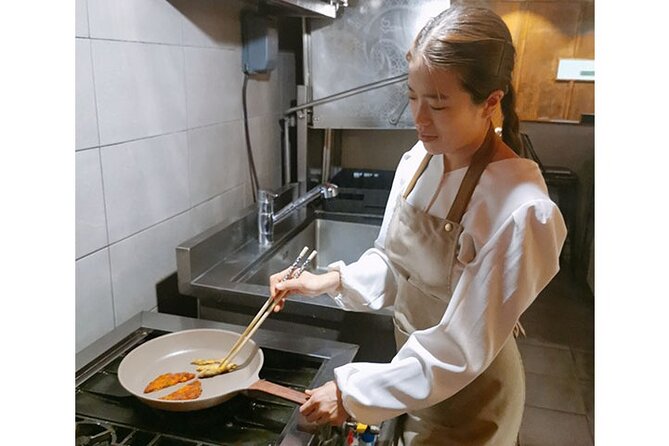
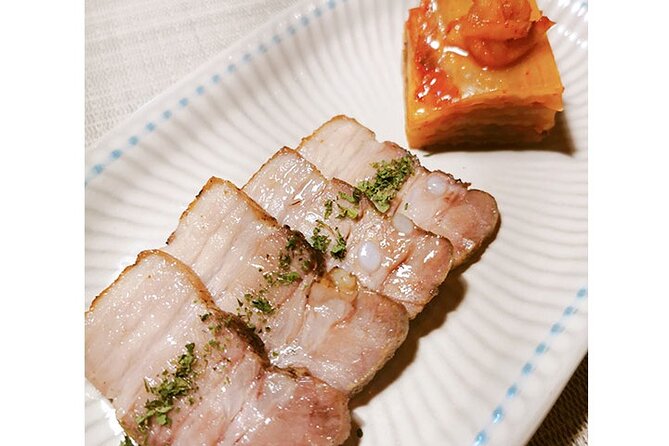
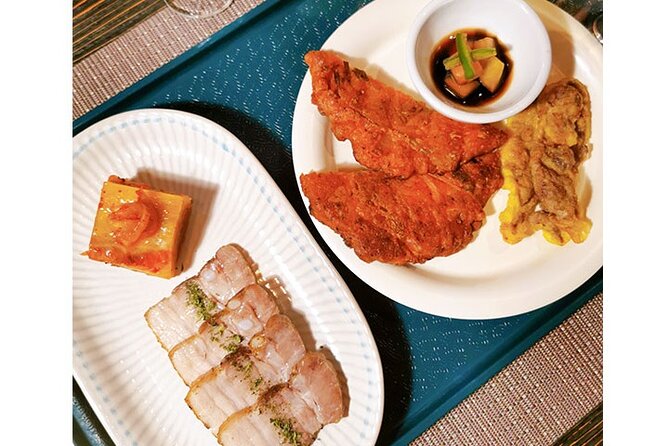
The food served alongside the liquor is called anju: dishes meant to be eaten with drinks. Possible options include vegetable pancake, meat pancake, and kimchi bibim noodles. The menu may change according to ingredient availability, so treat those dishes as examples rather than a guaranteed set.
I like this pairing format because food can change how you experience a drink. Instead of judging each pour in isolation, you can notice which flavors work well with a savory pancake or a spicy, mixed noodle dish. The point is not simply to fill the table. It’s to see how Korean food and liquor can complement one another.
The small amount of menu information does mean you should ask about dietary needs before you go. Hyesun specifically asks you to get in touch after booking to discuss food allergies and other details. If you avoid meat, for example, don’t assume that a vegetable pancake means the whole meal will be meat-free. Confirm what can be served.
This is a tasting, not a full restaurant dinner with a published menu. The supplied details don’t specify portion sizes or exactly how many dishes you’ll receive. If you’re arriving hungry, it’s sensible not to assume the anju will replace a complete meal.
A 90-minute conversation with Chef Hyesun
Hyesun is the owner-chef and host. She is described as a world traveler who enjoys hearing about other people’s trips, so the format is meant to be social as well as educational. With a maximum of six people, the group is small enough for questions and conversation, rather than a big-room presentation.
The likely rhythm is straightforward: learn about traditional Korean liquor, taste the three styles, and eat anju alongside them. The exact order and timing of each part aren’t specified, so don’t expect a rigid minute-by-minute schedule. The value is in having a host connect the drinks to the food and to her experience running a restaurant devoted to traditional liquor.
A participant praised the amount of information and the variety in the samples, particularly the differences in body and flavor. That is the strongest reason to choose this over ordering drinks on your own. You’re paying for context and guided comparison, not just for three pours.
The social element may suit you if you enjoy swapping travel stories over food. It may be less appealing if you want a quiet, formal tasting with technical tasting sheets or a highly structured class. No such materials or format are promised. The emphasis is on learning, sampling, and sharing the table.
Fancy a different kind of day?
- Seoul: DMZ Tour with Optional Suspension Bridge
★ 4.8 · 5,277 reviews - Signature DMZ Tour: Exclusive Defector Talk & Suspension Bridge
★ 5.0 · 4,459 reviews - Thrilling Korean DMZ 3rd Tunnel Tour from Seoul + Red Bridge Rush
★ 5.0 · 3,097 reviews - DMZ Past and Present: Korean Demilitarized Zone Tour from Seoul
★ 5.0 · 2,481 reviews
Getting to Lodge Magok in Seoul
The meeting point is Lodge Magok, at 207, Naru Station Private Tower II, 171 Jungang-ro, Magok-dong, Gangseo-gu, Seoul. The activity ends back at the same place, so you won’t need to arrange transport between a tasting and a separate finish point.
The venue is in Magok, in western Seoul. It is described as near public transportation, but no particular station, route, or travel time is provided. Check your route from your hotel before booking, especially if you’re staying in a different part of the city. The listed address gives you a specific destination to enter into your map app.
The venue name includes Naru Station Private Tower II, but the information doesn’t identify the exact station entrance or give building access instructions. Once your booking is confirmed, use the requested WhatsApp message to double-check the schedule and any meeting details. That brief step is worth taking rather than trying to sort out uncertainties at the door.
The experience is mobile-ticketed. Keep the ticket available on your phone, and leave enough time to reach the address without rushing. The tasting is short, so arriving late could cut into the part you came for.
Is $59 a fair price for the tasting?
At $59 per person for about 90 minutes, this is best judged as a guided food-and-drink experience, not as a simple bar tab. The price covers an introduction to three liquor styles, samples from a regional selection, and anju. You’re also getting Hyesun’s explanations and a small-group setting capped at six people.
The strongest value is the access to drinks you may not find easily in a regular restaurant or shop. If you’re curious about Korean liquor and would otherwise struggle to tell traditional styles apart, the guided comparison gives the tasting a clear purpose. The food pairings add another useful layer, especially if you want to understand anju as part of drinking culture rather than just order a snack.
The value is less certain if you mainly want a large meal or a long evening of drinks. The session is only about 90 minutes, and the serving sizes and exact menu aren’t specified. You should book for the focused introduction and the chance to try different styles, not on the assumption that this will be a filling dinner.
With a maximum of six people, the group size may also make the price feel more worthwhile if you prefer a personal exchange with the host. If you’re more interested in exploring Seoul’s nightlife independently, you may prefer to spend the money at a bar. This tour makes the most sense when the learning and the regional selection matter to you.
Who should book this Korean liquor experience?
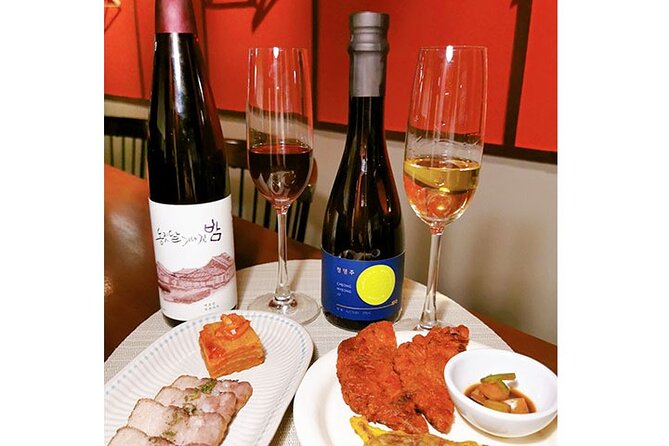
Book it if you want a practical introduction to traditional Korean drinks, especially if your current reference point is factory-made soju. The three styles give you a useful comparison, and Hyesun’s restaurant focus means the drinks are paired with food rather than treated as an isolated tasting.
It also suits people who enjoy small-group experiences and conversation. The cap of six is a good fit if you want room to ask about the drinks or share travel stories. The session is brief enough to fit into a day in Seoul, though the Magok location means it is worth checking your route before you commit.
Think twice if you don’t drink alcohol, need a guaranteed menu, or are looking for a full dinner. Alcohol is served only to people aged 18 and older. Service animals are allowed, but the supplied information doesn’t give further accessibility details, so contact the host directly if you need to confirm a particular requirement.
After your booking is automatically confirmed, send Hyesun a WhatsApp message at +82 10 2661 7832. Use it to double-check the schedule and discuss allergies or other details. This is especially important because the food can change with ingredient supply.
Should you book?
I’d book this if you’re curious about Korean liquor beyond the standard soju experience and want a host to explain what you’re tasting. Three traditional styles, regional bottles, and anju make for a focused introduction that is hard to recreate by ordering at random.
Skip it if you want a substantial dinner, a guaranteed dish list, or a tasting with a published schedule and exact pours. For $59, the appeal is the combination of context, food pairing, and access to less familiar drinks. If that’s what you’re after, 90 minutes with Hyesun looks like a worthwhile use of an evening.
FAQ
How long does the experience last?
It lasts approximately 1 hour and 30 minutes.
What kinds of liquor will I taste?
The tasting includes three traditional styles: takju, cheongju, and distilled liquor.
What food may be served with the drinks?
Anju may include vegetable pancake, meat pancake, and kimchi bibim noodles. The dishes can vary depending on ingredient availability.
Where does the activity start and end?
It starts and ends at Lodge Magok, at 207, Naru Station Private Tower II, 171 Jungang-ro, Magok-dong, Gangseo-gu, Seoul.
What is the maximum group size?
The activity is limited to a maximum of six people.
What should I do after booking?
After the booking is confirmed, message Hyesun on WhatsApp at +82 10 2661 7832 to double-check the schedule and discuss food allergies or other details.
Latest reviews from Seoul
- From Seoul: Hwacheon Ice Fishing and Lighting Festival Tour★ 4.5 · 4 reviews
- Unique Native Experience : Han River Picnic, Board game, BBQ★ 5.0 · 3 reviews
- You’re Invited to Our Home in Seoul: The Only Cooking Class!★ 5.0 · 8 reviews
- Seoul: Gangneung BTS K-Pop & K-Drama Filming Locations Tour★ 4.6 · 14 reviews
- Yun Korean Cooking Class in Seoul★ 5.0 · 6 reviews
- 2-Hour Private Kayaking and Paddleboarding Experience in Hanriver★ 5.0 · 3 reviews
- Day Trip to Yongin Daejanggeum and Korean Folk Village from Seoul★ 4.0 · 9 reviews
- K-Pop Making Class with a Producer!★ 5.0 · 3 reviews
Seoul Tours, compared.
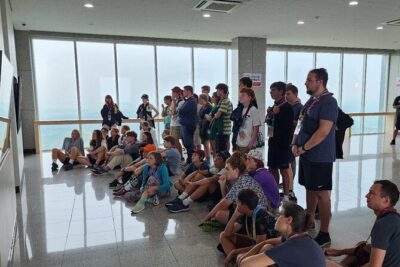
Best DMZ Tour Korea from Seoul (Red Suspension Bridge Optional)
Read our review →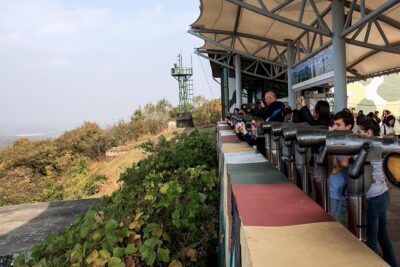
DMZ Tour: 3rd Tunnel, Option(Suspension Bridge, Boat) from Seoul
Read our review →
DMZ tour south Korea from Seoul (NK experience hall, defector)
Read our review →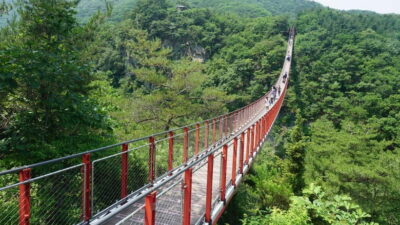

Signature DMZ Tour: Exclusive Defector Talk & Suspension Bridge
Read our review →
Thrilling Korean DMZ 3rd Tunnel Tour from Seoul + Red Bridge Rush
Read our review →
DMZ Past and Present: Korean Demilitarized Zone Tour from Seoul
Read our review →