
Reviewed · SEOUL K-POP TOURS
K-Pop Making Class with a Producer!
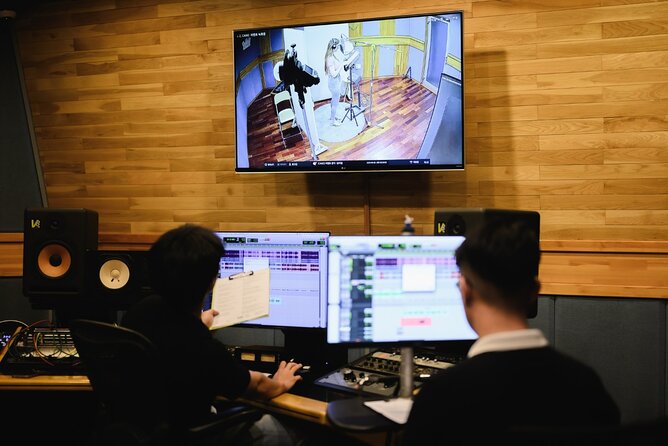
At KING STUDIO, you do more than sing a K-pop song: you get hands-on time with the jobs that shape a recording, from performer to producer to sound engineer. In about two hours, you and your group work with a preselected song and take part in recording, editing, and mixing.
I like that everyone gets involved in the production process, rather than simply stepping up to a microphone for a quick vocal take. I also like that accompaniment, Korean and romanized lyrics, and English interpretation are included, which makes the session more approachable if you do not speak Korean.
The main consideration is the price: at $109 per person, this is a specialist activity, not a cheap studio visit. You will get the most from it if you are curious about how music is made, not only looking for a polished souvenir recording.
Key points to know before you book
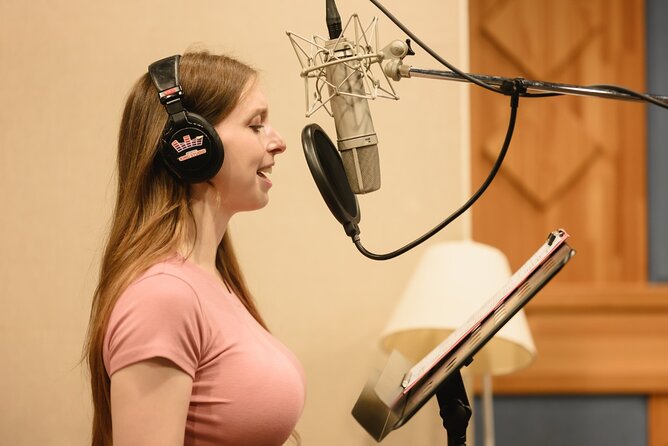
- Three K-pop roles in one session: You try the singer, producer, and sound-engineer positions, with recording, editing, and mixing all part of the experience.
- Choose your song ahead of time: Singing is based on preselected songs, so this is not an open-ended studio session where you can arrive and pick anything.
- English interpretation is included: Korean and romanized lyrics are provided, which helps if you want to sing along without reading Hangul.
- It is a private activity: Only your group takes part, making it easier to share the recording and divide up the different roles.
- The meeting point is in Gangnam: The studio is at 52 Samseong-ro 75-gil, with directions from Seolleung Station’s Exit 1.
- Plan around the two-hour format: The session is focused and hands-on, but it is not a full-day music-production course.
What you actually do at KING STUDIO
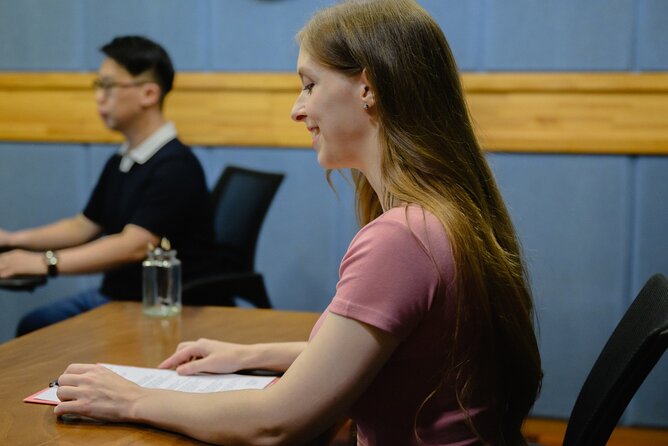
The heart of this activity is a practical introduction to how a K-pop recording comes together. You are not only asked to sing. Everyone in the group takes part in the work of a singer, producer, and sound engineer, so the session gives you a taste of how the roles connect.
As a singer, you record a song chosen in advance. The studio provides accompaniment and lyrics in Korean and romanized Korean. That second option matters if you cannot read Hangul, though pronunciation and singing in another language may still take some effort. The English interpreter helps bridge the gap and guide you through the process.
The producer role focuses on understanding the music and communicating with the sound engineer. The sound-engineer role includes recording, editing, and mixing. These are introductory, hands-on activities rather than a promise of professional-level training, but they offer a useful view of what happens between choosing a song and shaping a finished track.
The studio manager, who identifies himself as Kingsman, describes KING STUDIO as an early provider of K-pop experiences in Korea. He also notes that the studio offers different packages for groups interested in recording, vocal direction, or music videos. The experience described here is the two-hour session, so check the exact package details if you want more than recording, editing, and mixing.
More K-pop tours in Seoul:
- Full Day Tour In The Soop BTS Ver in PyeongChang Filming Location
★ 5.0 · 1,709 reviews - From Seoul: Nami Island, K-drama Garden & Rail Bike Day Tour
★ 4.6 · 724 reviews - Seoul: The Painters Live Art K-pop Dance Show Ticket
★ 4.8 · 708 reviews
From Seolleung Station to the basement studio
The meeting point is 52 Samseong-ro 75-gil in Seoul’s Gangnam District. The directions start at Exit 1 of Seolleung Station on Subway Line 2. From there, go straight, turn right at Dunkin’ Donuts, and head upstairs to the basement studio across from a 7-Eleven.
That route is practical, but leave enough time to find the entrance and arrive at the appointed hour. The instructions stress punctuality, and a two-hour session leaves little room for a late start. If you are coming from Gangnam Station, Seolleung is two stops away on Line 2.
The itinerary names COEX Center as its stop, but the supplied meeting and walking directions lead to the studio in Gangnam. This is best understood as a studio activity, not a sightseeing tour around COEX. The activity ends back at its meeting point, so you do not need to arrange a separate return from another neighborhood.
How the two-hour session unfolds
The session moves through three connected roles. First, you get oriented to the music and the way production depends on communication between the producer and sound engineer. Then you work with the chosen song, take a vocal recording, and get a chance to handle editing and mixing.
The exact division of time among those steps is not specified. In a private group, the pace may depend on how many people are taking part and how much time each person wants at the microphone. If you are booking with friends, it is worth deciding in advance whether you all want a turn singing or whether some of you would rather focus on the production side.
The point is not to master a recording program in two hours. It is to see how the parts fit together and to try them yourself. You may find that the singer’s performance is only one part of the process: sound choices, edits, and the exchange between producer and engineer also affect the final result.
The studio account describes the owner and a translator helping participants through recording and music editing. That kind of guidance is especially useful for first-timers, who may have little idea what to do once they enter a recording booth. Still, the experience is described as introductory, so go in ready to learn and experiment rather than expecting an intensive technical course.
Singing in Korean, even if you cannot read Hangul
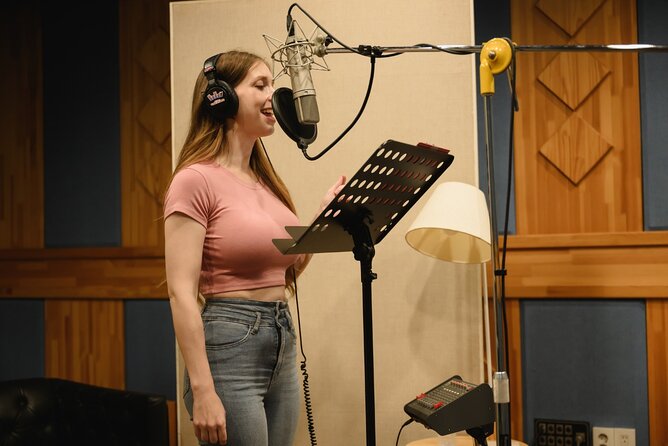
The included lyrics come in Korean and romanized Korean. If you want to sing in Korean but do not read Hangul, romanization gives you a way to follow the words. The English interpreter can help explain instructions along the way.
It is sensible to choose your song before the session and spend a little time with the lyrics. That preparation is a practical tip, not a requirement stated for participation, but it can leave more of your studio time for recording and production instead of first encountering the song. The activity says songs are preselected in advance, so confirm the selection process with KING STUDIO when arranging your session.
Do not assume that romanization makes pronunciation effortless. It is a guide to the sounds, not a substitute for knowing the language. If your aim is to have fun with friends, that may not matter much. If you care about a clean vocal take, a bit of practice beforehand could make the recording feel less rushed.
More hands-on workshops in Seoul:
- Local Home Korean Cooking Class & Market Adventure in Seoul
★ 5.0 · 1,024 reviews - Seoul: Korean Cooking Class at a Local Home and Market Tour
★ 5.0 · 348 reviews - Yongpyong Ski Resort from Seoul with Optional Lesson and Packages
★ 5.0 · 217 reviews - Korean Cooking Class with Grocery Shopping at Seoul Local Market
★ 5.0 · 107 reviews
What the private format means for your group

This is a private activity, so only your group participates. That makes it a good fit for friends, couples, or family members who want to take turns without joining strangers. It also gives you room to share the roles: one person might focus on singing while another pays closer attention to mixing or editing.
A group session can be more fun than a solo recording, but it does mean that each person’s time may depend on the size of your party. The details do not specify a group-size limit or how many individual vocal takes are included. If each person wants a substantial recording turn, ask the studio what to expect before booking.
The session can suit a birthday or another occasion, especially if your group enjoys music and is comfortable trying something a little unusual. One account of the experience describes it as a birthday highlight, with a welcoming setting and help from the owner and translator. That is encouraging, but the best reason to book is that you want to take part in making a track, not simply receive a finished product.
Is $109 a fair price for a studio session?
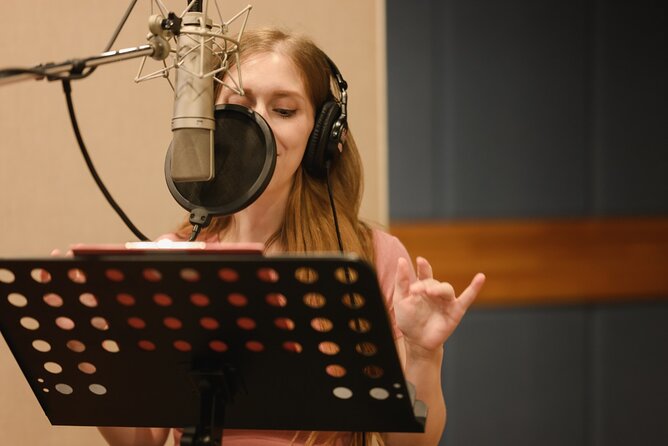
At $109 per person, this costs more than a casual karaoke outing. The value comes from getting access to a professional recording studio and taking part in several sides of the process, with accompaniment, lyrics, and English interpretation included. You are paying for a guided activity in which you get to record and try editing and mixing, not just for time with a microphone.
The price will make more sense if you are interested in music production or K-pop and want an activity that feels different from the usual Seoul sightseeing day. It may feel steep if you only want to sing one song or take a quick photo in a studio. Before booking, check which package you are buying, since the manager says the studio offers several options, including additional vocal-direction or music-video services.
The activity averages 19 days’ advance booking. That is a useful planning signal, especially if you have a fixed travel schedule, though it is not a guarantee that a particular date will be available. Confirmation is provided at booking, and cancellations made at least 24 hours before the start time qualify for a full refund. Changes or cancellations inside that window are not accepted.
Who will get the most out of it
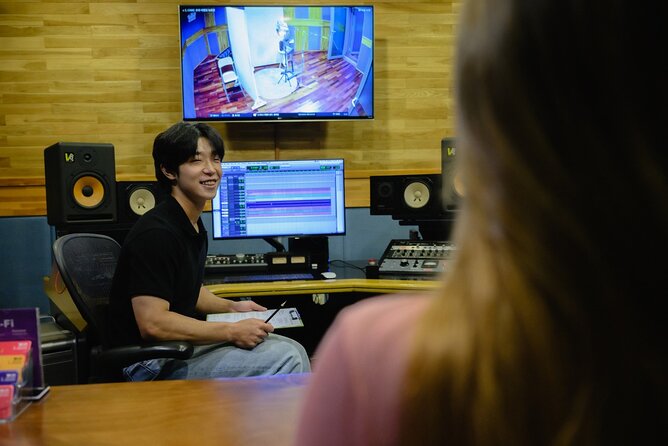
I would put this on the shortlist for K-pop fans who want to understand more than the performance side of the genre. It also suits curious beginners who have never used recording equipment and would enjoy trying a new role with friends. You do not need to be a trained singer: the activity says most people can participate, and it includes English interpretation.
It is less suitable if you want a broad tour of Seoul, a concert, or a long technical class. The session takes place at one studio and lasts about two hours. Its focus is participation, not sightseeing or advanced instruction.
If your group is shy about singing, you can still find interest in the producer and sound-engineer roles, though the experience is built around recording a song. If you are booking mainly for someone who wants to sing, check that the song options and package fit their expectations.
A few practical details to keep in mind
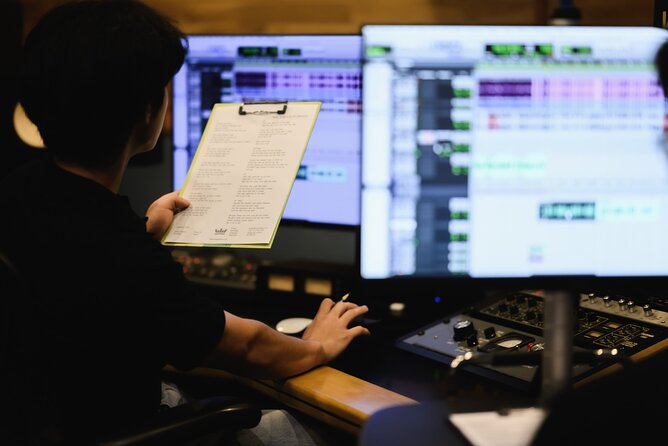
The meeting time matters. The studio asks you to arrive at the appointed time, so allow a little margin for the walk from Seolleung Station and for finding the basement entrance. The address and nearby landmarks are specific, but it is still wise to have them handy rather than relying on a hurried search outside the station.
The activity is described as requiring good weather, with a new date or full refund offered if poor weather forces cancellation. That condition may seem unusual for an indoor studio visit, so check the provider’s current terms when booking. A minimum number of participants is also required; if it is not met and the activity is canceled, you can be offered another date or experience, or a full refund.
Should you book the K-Pop Making Class?
Book it if you want to do more than sing along: the chance to try the singer, producer, and sound-engineer roles is the real draw. The private format, English interpretation, and Korean or romanized lyrics make it approachable for a group with mixed language skills. For a K-pop fan, a music student, or anyone who enjoys seeing how a recording is put together, $109 can be a fair price for a focused two-hour studio session.
Skip it if your priority is sightseeing, a low-cost activity, or a guaranteed solo vocal session with a specific song. Confirm the package and song options before you pay, and arrive on time. If the production process interests you as much as the finished song, this is a distinctive way to spend part of a Seoul visit.
FAQ
How long does the K-Pop Making Class last?
The session lasts approximately two hours.
Where does the activity meet?
It meets at 52 Samseong-ro 75-gil in Gangnam District, Seoul. The directions begin at Exit 1 of Seolleung Station on Subway Line 2.
Is the activity private?
Yes. Only your group participates.
What is included in the session?
The session includes accompaniment, lyrics in Korean and romanized Korean, and professional English interpretation. Participants take part in singer, producer, and sound-engineer roles, including recording, editing, and mixing.
Do I need to speak Korean to take part?
The activity includes professional English interpretation and provides romanized lyrics as well as Korean lyrics. It says most people can participate.
Can I cancel for a refund?
You can cancel at least 24 hours before the start time for a full refund. Cancellations or changes made less than 24 hours before the start time are not accepted.
Latest reviews from Seoul
- From Seoul: Hwacheon Ice Fishing and Lighting Festival Tour★ 4.5 · 4 reviews
- Unique Native Experience : Han River Picnic, Board game, BBQ★ 5.0 · 3 reviews
- You’re Invited to Our Home in Seoul: The Only Cooking Class!★ 5.0 · 8 reviews
- Seoul: Gangneung BTS K-Pop & K-Drama Filming Locations Tour★ 4.6 · 14 reviews
- Yun Korean Cooking Class in Seoul★ 5.0 · 6 reviews
- 2-Hour Private Kayaking and Paddleboarding Experience in Hanriver★ 5.0 · 3 reviews
- Day Trip to Yongin Daejanggeum and Korean Folk Village from Seoul★ 4.0 · 9 reviews
- Vivaldi Park Winter Ski Resort with Nami Island Tour from Seoul★ 4.5 · 7 reviews
Seoul K-Pop Tours, compared.

Full Day Tour In The Soop BTS Ver in PyeongChang Filming Location
Read our review →
Nami Island, K-drama Garden & Rail Bike Day Tour
Read our review →
MBC Insider Live K-Drama Rehearsal & VIP Studio Tour
Read our review →
BTS K-Pop Star Footsteps Journey ARMY Fan Day Tour
Read our review →
K-pop Dance Class in Seoul (Incl. video shooting & editing)
Read our review →Browse the lists this tour appears in