
Reviewed · DMZ TOURS
From Seoul: DMZ Tour and North Korea Experience Hall
The most compelling part of this day is the contrast: you look across the border from Dora Observatory, then encounter everyday North Korean objects and hear a defector speak about life there. The North Korea Experience Hall can add a human scale to the DMZ’s military history, which otherwise risks feeling like a string of distant viewpoints and monuments.
I like two things here: the combination of firsthand testimony and landmark visits, and the practical pickup from central Seoul with an English-speaking guide. Guides named Han, Sophia, Katie and KC have been praised for clear explanations, patience and keeping the day organized.
One caution: the route can change with conditions, and the listed stops cover a lot of ground for an 8 to 9 hour day. Visibility at Dora Observatory depends on weather, too, so don’t book this only for a clear view of North Korea.
- The defector session puts daily life at the center: Hear a North Korean speaker in a live Q&A, then take a commemorative photo.
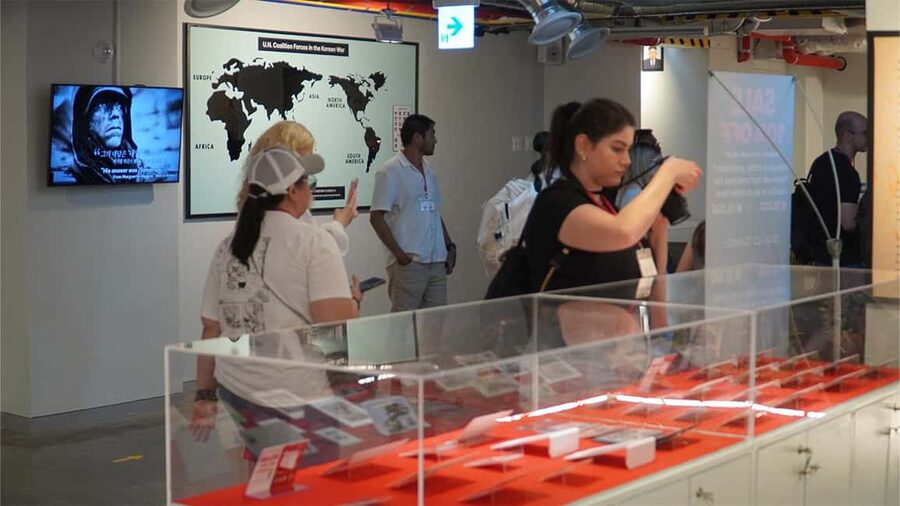
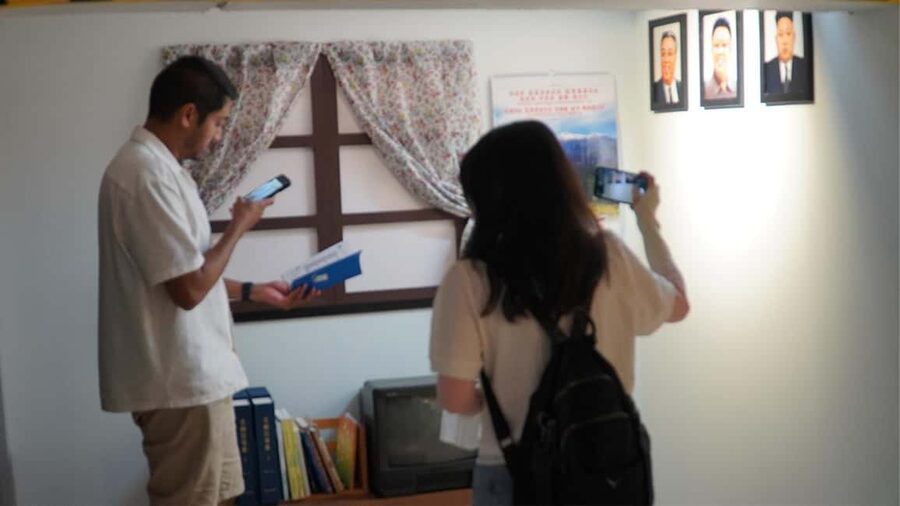
- The exhibition goes beyond maps: Displays include a replica home and classroom, household items and documentary screenings.
- The DMZ stops have distinct purposes: Imjingak and Freedom Bridge evoke separation and family ties, while the Third Tunnel and Dora Observatory give military and border context.
- Pickup is available at three Seoul stations: Myeongdong Station Exit 10, City Hall Station and Hongik Univ. Station Exit 3.
- Bring your passport and lunch: A valid passport is required, and meals and drinks are not included.
- Expect a full, changeable day: Traffic, on-site conditions and group size can affect timing and the route.
A day that puts people alongside the border
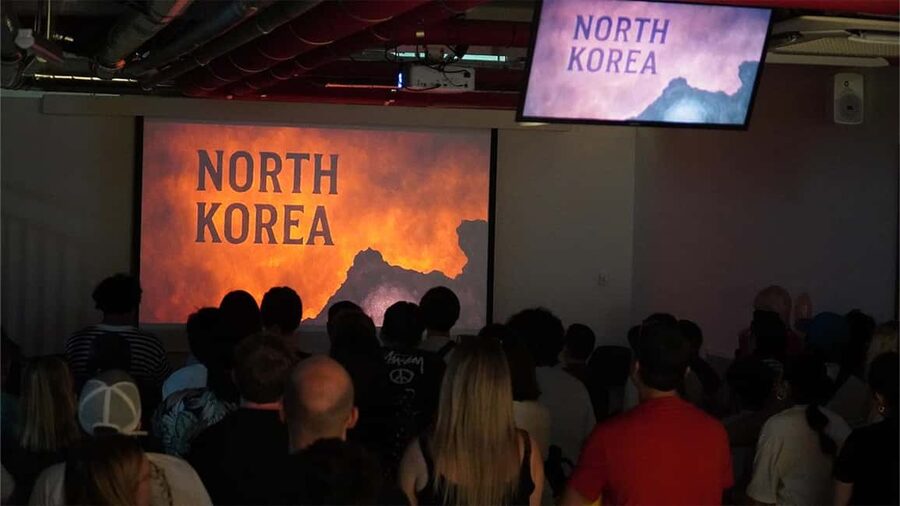
The DMZ is often presented through stark images: fences, watchtowers, flags and a line on a map. Those sights matter, but they do not explain what daily life across the border might look like. This tour pairs the familiar DMZ landmarks with an exhibition about North Korea and a live session with a defector, giving you more than a view from an observation deck.
The exhibition is the part that makes this outing different from a standard DMZ visit. Replica rooms and ordinary household objects offer a concrete way to think about life beyond the border, while documentary screenings add another layer. The live Q&A gives you a chance to hear a personal account directly, though the experience will naturally depend on the speaker and the questions asked.
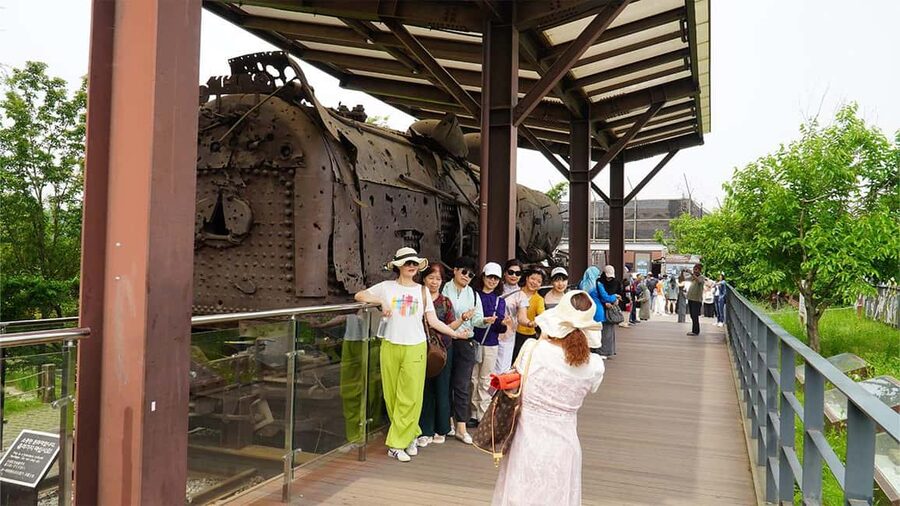
The day also includes the key sites many first-time visitors want to see: Imjingak, Freedom Bridge, the Third Tunnel of Aggression and Dora Observatory. Guide commentary links the stops to the Korean War and the division of the peninsula, so you are not left trying to piece the story together from signs alone.
The North Korea Experience Hall: ordinary objects, serious questions

At the hall, expect displays designed to make daily life feel more tangible. The replicas include a North Korean home and classroom, with everyday items that help shift attention from politics and military tension to the routines of people who live north of the border.
Documentary screenings provide context before or alongside the live session. Then comes the Q&A with a North Korean defector, one of the tour’s most distinctive elements. It offers a rare chance to hear a personal perspective, rather than only a guide’s account of events. You can also take a commemorative photo with the speaker.
Approach this part with curiosity and respect. A single person’s experience cannot represent every North Korean life, but firsthand testimony can make a complicated subject feel less abstract. If you have questions, keep them thoughtful and direct; the value here is in listening as much as asking.
More DMZ tours from Seoul:
- Best DMZ Tour Korea from Seoul (Red Suspension Bridge Optional)
★ 5.0 · 41,422 reviews - DMZ Tour: 3rd Tunnel, Option(Suspension Bridge, Boat) from Seoul
★ 5.0 · 21,373 reviews - DMZ tour south Korea from Seoul (NK experience hall, defector)
★ 5.0 · 20,599 reviews
Imjingak and Mangbaedan: memory at the edge of the DMZ
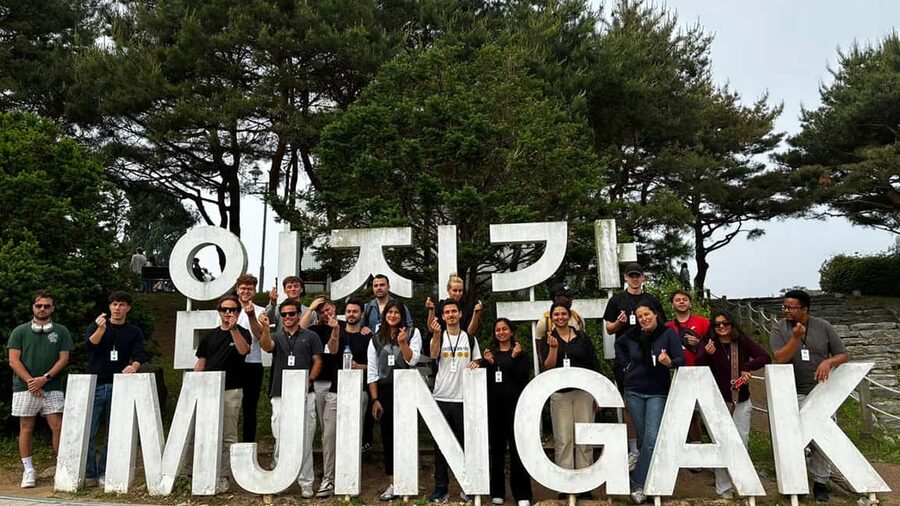
Imjingak is a natural starting point for understanding the human cost of division. The tour allows time to visit, walk and take photos, with guide commentary to explain the site’s place in the story of the border. It is a broad public space, so your guide’s context helps connect what you see to the people and families affected by separation.
Nearby Mangbaedan adds a more personal note. It is associated with people who cannot return to their ancestral homes in North Korea. The stop is brief in the itinerary, but it helps balance the day’s military history with the experience of families living with a divided homeland.
Give yourself room to take in the setting rather than treating every stop as a photo checklist. Imjingak has several points of interest, and the guide’s explanation is part of what makes the visit meaningful.
Freedom Bridge and the Third Tunnel: history you can place on the ground
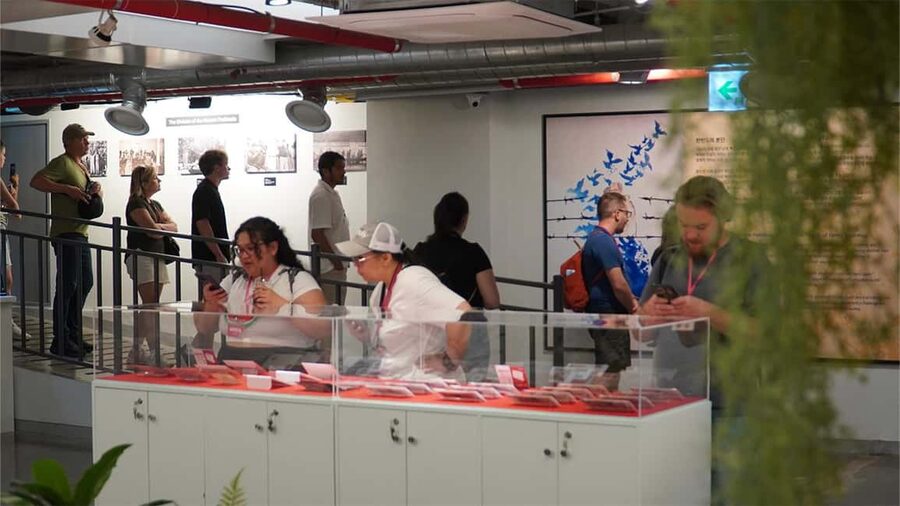
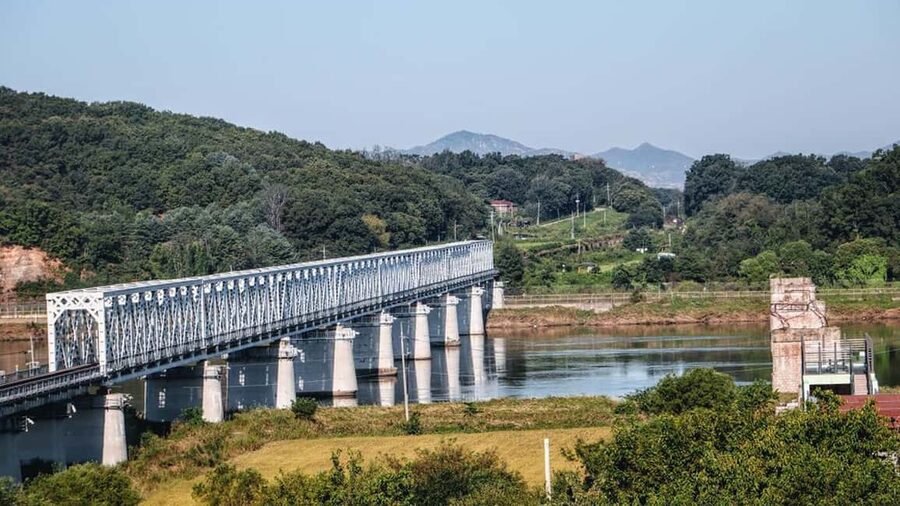
Freedom Bridge is a useful stop for connecting the division of Korea to individual lives. Its name and history point to the movement of people across the line after the Korean War. The guided visit helps explain why a bridge can carry more weight than its physical size suggests.
The Third Tunnel of Aggression shifts the focus to the military reality of the border. The tour includes a guided visit of about an hour. For many people, this is the most physical part of the DMZ portion, so consider your comfort with walking and the demands of the site before booking. The tour is not suitable for people with mobility impairments, wheelchair users or people with back problems.
The tunnel’s significance lies in what it represents: a tangible reminder that the DMZ is not merely a historic boundary. Your guide can put the site into the wider Korean conflict, helping you understand why the area remains closely controlled and why access and schedules may change.
Dora Observatory: a view that depends on the weather
At Dora Observatory, you look toward North Korea from a designated viewpoint. This is the stop most likely to match the classic mental picture of a DMZ trip, but it is also the one most affected by visibility. Rain or poor conditions can limit what you can see across the border.
Keep expectations sensible. The experience is not a close-up encounter with North Korea, and weather can make the view less clear. The guide’s commentary matters even when the horizon is hazy, since the observatory gives you a place to discuss the border and the divided peninsula in geographic terms.
If the weather is good, take time to look rather than rushing straight to a photo. If it is not, the visit still has value as part of a wider day that includes the tunnel, the memorial sites and the exhibition.
Fancy a different kind of day?
- Seoul: DMZ Tour with Optional Suspension Bridge
★ 4.8 · 5,277 reviews - Signature DMZ Tour: Exclusive Defector Talk & Suspension Bridge
★ 5.0 · 4,459 reviews - Thrilling Korean DMZ 3rd Tunnel Tour from Seoul + Red Bridge Rush
★ 5.0 · 3,097 reviews - DMZ Past and Present: Korean Demilitarized Zone Tour from Seoul
★ 5.0 · 2,481 reviews
Other listed stops and a route worth confirming

The route information also includes Gamaksan Suspension Bridge, Aegibong Peace Eco Park and Gyeongbokgung. These are substantial additional stops, and the itinerary gives them separate blocks of time. Since the experience is described as an 8 to 9 hour tour, while the schedule may change with on-site conditions, check the exact route and timing for your chosen date before you book.
This matters because the day’s central promise is a combination of the North Korea Experience Hall and DMZ landmarks. If you have a particular site you most want to see, ask whether it is included on your departure and how much time is planned there. A flexible schedule is common for a border-area excursion, but a clear picture of the day helps you decide if the pace suits you.
The pickup is from one of three stations: Myeongdong Station Exit 10, City Hall Station or Hongik Univ. Station Exit 3. You will be contacted about your pickup time. Hotel pickup is available for an additional KRW 15,000 in Jongno-gu, Jung-gu, Yongsan-gu, Mapo-gu, Seodaemun-gu and Dongdaemun-gu.
What the guide adds to the day
A good guide is especially valuable on this tour because the sites need explanation. The Korean War and the DMZ’s history are not simple subjects, and a clear account helps you distinguish the meaning of each stop rather than hearing the same general story repeated throughout the day.
Guides named Han, Sophia, Katie, KC, Yoon and Mimi have been singled out for friendly, careful and detailed explanations. Katie was praised for covering both the DMZ and wider aspects of the Korean conflict; Sophia was noted for patience and keeping the trip well organized. These names are not a guarantee of who will lead your departure, but they point to the kind of guiding that can make this itinerary work.
Transport and an English-speaking guide are included. The group can have up to 30 participants, and groups may be split if needed, though efforts are made to keep people together. If you value a quieter, more personal visit, keep in mind that this is a shared tour, not a private excursion.
Is $40 good value?
At $40 per person, the price is attractive for a full-day outing that includes transport, an English-speaking guide, the North Korea exhibition and DMZ and historic landmarks. The value comes from the mix: several stops, historical explanation and the live defector session, rather than from any one viewpoint alone.
Meals and drinks are not included, so bring lunch and water or plan for food around the schedule if an opportunity is available. The day runs 8 to 9 hours, and traffic or changes at the sites can cause delays. That makes a small amount of preparation worthwhile: eat before pickup, carry what you need and avoid scheduling a tight commitment immediately afterward.
The tour offers free cancellation up to 24 hours in advance, and you can reserve now and pay later. A valid passport is required to enter the DMZ, so do not leave it at your hotel. Smoking is not allowed in the vehicle or indoors, and alcohol and drugs are prohibited.
Who should book this tour?
This is a strong choice if you want a guided introduction to the DMZ and are curious about life in North Korea, not just military landmarks. The hall and defector Q&A give the day a human dimension, while the observatory, tunnel and memorial sites help place that perspective in the history of the border.
It is less suitable if you need a relaxed pace, have mobility or health concerns, or are booking mainly for guaranteed views across the border. The tour is not suitable for children under 10, pregnant women, people with back, heart or mobility problems, wheelchair users, or people over 70. Participants under 14 must be accompanied by a guardian.
Photos taken during the tour may be used for promotional purposes, so keep that in mind if you prefer not to appear in tour material. For everyone else, the key question is whether you want a compact day of explanation and varied stops, knowing the route and visibility can change. If yes, this is a worthwhile way to approach a complicated place with a guide and a human perspective.
FAQ
What is included in the tour?
The experience includes the North Korea Exhibition Hall, DMZ and historic landmarks, transport and an English-speaking guide.
How long does the tour last?
Plan on 8 to 9 hours. The pickup time and itinerary may change because of on-site conditions, and traffic can cause delays.
Where can I meet the tour?
Pickup options are Myeongdong Station Exit 10, City Hall Station and Hongik Univ. Station Exit 3. You will be contacted individually about your pickup time.
Do I need to bring my passport?
Yes. A valid passport is required to enter the DMZ. Bring it on the day of the tour.
Are meals included?
No. Meals and drinks, including lunch, are not included.
Is hotel pickup available?
Yes. Hotel pickup is available for an additional KRW 15,000 if your hotel is in Jongno-gu, Jung-gu, Yongsan-gu, Mapo-gu, Seodaemun-gu or Dongdaemun-gu.
Who is the tour not suitable for?
It is not suitable for children under 10, pregnant women, people with back, heart or mobility problems, wheelchair users, or people over 70. Anyone under 14 must be accompanied by a guardian.
Latest reviews from Seoul
- From Seoul: Hwacheon Ice Fishing and Lighting Festival Tour★ 4.5 · 4 reviews
- Unique Native Experience : Han River Picnic, Board game, BBQ★ 5.0 · 3 reviews
- You’re Invited to Our Home in Seoul: The Only Cooking Class!★ 5.0 · 8 reviews
- Seoul: Gangneung BTS K-Pop & K-Drama Filming Locations Tour★ 4.6 · 14 reviews
- Yun Korean Cooking Class in Seoul★ 5.0 · 6 reviews
- 2-Hour Private Kayaking and Paddleboarding Experience in Hanriver★ 5.0 · 3 reviews
- Day Trip to Yongin Daejanggeum and Korean Folk Village from Seoul★ 4.0 · 9 reviews
- K-Pop Making Class with a Producer!★ 5.0 · 3 reviews
DMZ Tours, compared.
Best DMZ Tour Korea from Seoul (Red Suspension Bridge Optional)
Read our review →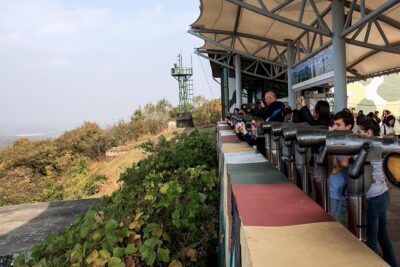
DMZ Tour: 3rd Tunnel, Option(Suspension Bridge, Boat) from Seoul
Read our review →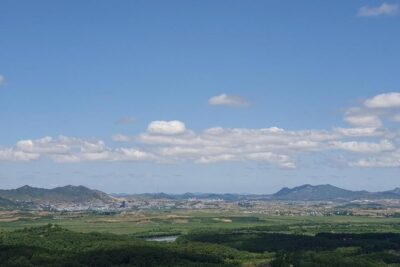
DMZ tour south Korea from Seoul (NK experience hall, defector)
Read our review →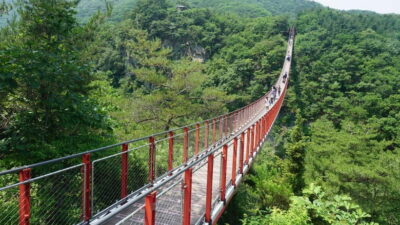

Signature DMZ Tour: Exclusive Defector Talk & Suspension Bridge
Read our review →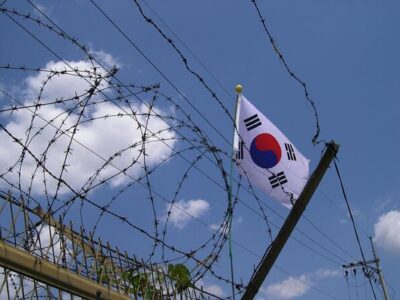
Thrilling Korean DMZ 3rd Tunnel Tour from Seoul + Red Bridge Rush
Read our review →
DMZ Past and Present: Korean Demilitarized Zone Tour from Seoul
Read our review →
Ultimate Korea DMZ Tour from Seoul (Gondola & Suspension Bridge)
Read our review →Browse the lists this tour appears in