
Reviewed · DMZ TOURS
Best 2 Days Guided DMZ and Seoul City Tours from Seoul
The first day takes you to the border between North and South Korea, where a railway torn apart by war, a tunnel built for military use, and a lookout toward North Korea turn a complicated story into places you can see. The second day shifts to Seoul’s temples, palace grounds, and markets. I like this pairing for its sharp contrast between the DMZ and everyday city life, and for the range of history and local shopping packed into two days.
One consideration: the schedule covers a lot, and the group can reach 100 people. You may have to move at a brisk pace, and lunch is on your own. The Third Infiltration Tunnel is also a tight, enclosed space, though you can wait outside if that is not for you.
Key things to know before you go
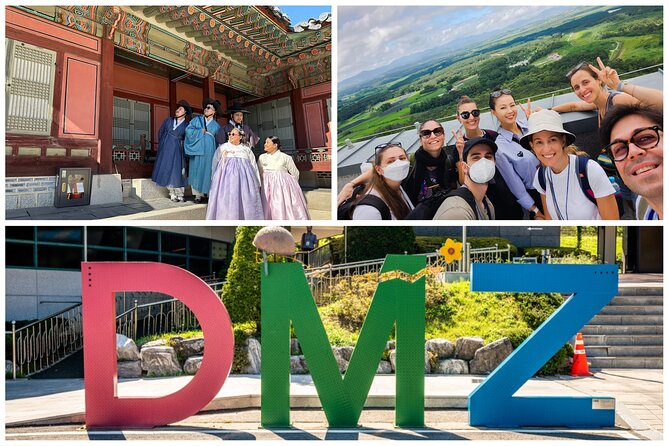
- The border visit includes real historical sites: Imjingak Park, the Bridge of Freedom, the Third Infiltration Tunnel, and Dora Observatory.
- Day two balances monuments with daily life: Jogyesa Temple and Gyeongbokgung Palace give way to Insadong and Namdaemun Market.
- Guides can shape the experience: Past groups have named Kelly and Wendy, with praise for clear explanations and keeping the schedule on track. Your guide is not guaranteed to be the same.
- The $110 price covers important basics: Air-conditioned transport, a guide, and fees and taxes are included. Meals and accommodation are not.
- The tour runs at 9:00 am and lasts about two days: Pickup is offered, and the activity ends back at the meeting point. Confirm the pickup details when booking.
- Check the weekday: Gyeongbokgung Palace and the museum stop are listed as closed on Tuesdays.
A two-day tour with two very different faces
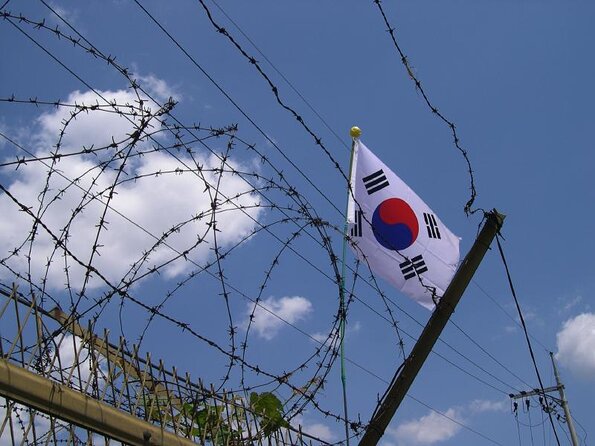
This tour makes a useful introduction to Korea by setting the country’s divided past beside the city’s royal and religious landmarks. On day one, you head north from Seoul for a half-day DMZ visit. On day two, you stay in the city for temples, palace architecture, museums, and shopping streets.
That structure is the tour’s main strength. The DMZ can be hard to understand from a map or a news report alone. At Imjingak and the observatory, the division becomes physical: you see memorials, railway remnants, and a view across the border. Seoul’s second day then offers a different scale of history, from Joseon royal buildings to handmade wares and market stalls.
At $110 per person, the price is reasonable for two guided days with an air-conditioned vehicle and fees and taxes included. You are paying for transport between several sites as well as a guide to help connect them. The value is less compelling if you prefer long, unhurried visits or want a small group: the maximum is 100 people, and some stops are brief.
The advertised start time is 9:00 am. Pickup is offered, but the exact arrangement is not specified here, so check where you need to meet and when. The activity ends back at the meeting point. It runs for about two days, but it does not include a hotel or meals.
More DMZ tours from Seoul:
- Best DMZ Tour Korea from Seoul (Red Suspension Bridge Optional)
★ 5.0 · 41,422 reviews - DMZ Tour: 3rd Tunnel, Option(Suspension Bridge, Boat) from Seoul
★ 5.0 · 21,373 reviews - DMZ tour south Korea from Seoul (NK experience hall, defector)
★ 5.0 · 20,599 reviews
Day one: memorials and the border
Imjingak Park and the Bridge of Freedom
Imjingak Park was built as a place of consolation for people who fled south during the Korean War. Its memorials make the separation personal, not just political. You’ll see a railway line that once connected the two countries and was dismantled during the conflict, along with the Peace Bell and a pond shaped like the Korean peninsula.
The Mangbaedan altar faces the direction of ancestral graves in the North. Families gather there on Chuseok, the Korean Thanksgiving holiday, to honor ancestors they cannot visit. Even with only 20 minutes at the park, that detail helps explain why the site matters beyond its photo spots.
The Bridge of Freedom is the next stop, with about 20 minutes to look around. It was used by South Koreans returning from the North and was associated with the release of 12,773 prisoners in 1953. Walking across or alongside it offers a tangible connection to the end of the fighting, though the short visit leaves limited time to absorb every detail.
These two stops work best when you take a moment to read the signs and listen to your guide. One visitor found there was too much free time to explore without enough English information to make sense of it all. That is a useful reminder: if you want context, stay close enough to hear the guide’s explanations rather than assuming every display will tell the story in English.
The Third Infiltration Tunnel
The Third Infiltration Tunnel was discovered in 1978, about 52 kilometers from Seoul. At 1,635 meters long and roughly two meters high and wide, it was built to allow North Korean forces to move south. The tour gives you about 30 minutes at the site, including time to enter the tunnel.
The tunnel’s history includes a pointed dispute: North Korea claimed the South had built it for a surprise attack, while evidence indicated otherwise. That tension is part of what makes the visit more than a walk through an underground passage. You are seeing a physical piece of the conflict, not a replica.
Be honest with yourself about enclosed spaces. The tour information says you can wait by the exit if you are uncomfortable, so you do not have to force yourself through. If you do go in, expect the narrow dimensions to be part of the experience. This is not the place to linger over every detail, given the limited stop time.
More two-day trips in Seoul:
- 2-Day Hike through the Scenic Valleys of Mt. Seoraksan from Seoul
★ 5.0 · 7 reviews
The DMZ Theater and Dora Observatory
A short film at the DMZ Theater gives a South Korean account of the Korean War, the creation of the DMZ, and the tunnels. It lasts about seven to eight minutes, with roughly 20 minutes scheduled for the stop. The film can help make sense of what you have just seen underground, though it presents a particular national perspective rather than a neutral overview of every point of view.
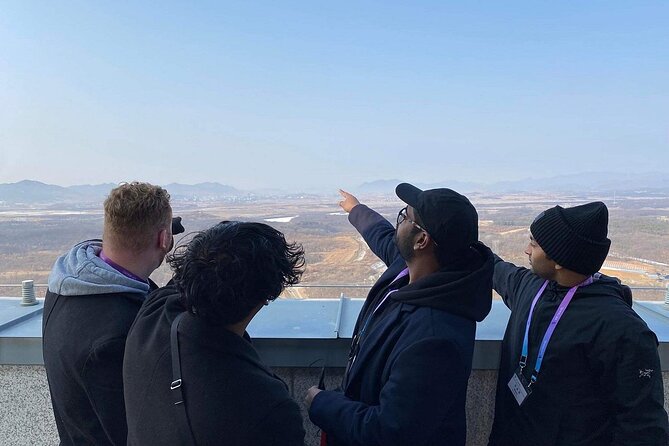
At Dora Observatory, you get about 30 minutes to look north. The site is positioned toward the border, and high-powered binoculars on the third floor can help you pick out features across the divide. The described sights include a North Korean propaganda village and, on clear days, views toward Gaesong and a bronze statue of Kim Il-sung.
Visibility is the wild card. On a clear day, the observatory can be the most striking part of the DMZ visit. Haze or poor conditions can limit what you see, so treat the view as a possibility rather than a guarantee. Either way, the act of looking across the border gives the day a strong finish.
Day two: Seoul’s temple, palace, and markets
Jogyesa Temple
Jogyesa is a major center of Korean Buddhism in downtown Seoul, established in 1935. Its setting brings temple grounds into close contact with the modern city, and its old white pine is a notable feature. The tour allows about 40 minutes, enough to see the main grounds and take in the golden statues.
The entrance sequence has symbolic meaning. You pass through the one-pillar gate, Iljumun, which marks the transition from the ordinary world toward the sacred Buddhist space. A guide can help explain why the gate matters, so this is a good place to ask questions rather than treating the temple as a quick photo stop.
Gyeongbokgung Palace and the museum stop
Gyeongbokgung was the main palace of the Joseon Dynasty, built in 1395. The tour allows about an hour and a half to walk its grounds. The palace was damaged during the Imjin War of 1592 to 1598 and later suffered major destruction under Japanese rule in the 20th century. Its restoration gives the site a layered quality: what you see is both a royal complex and the result of repeated efforts to recover what was lost.
The description notes 7,700 rooms, a figure that conveys the palace’s scale, but your visit is not a tour of every room. Use the time to notice the contrast between grand courtyards and the details of the buildings. Tuesday is a closure day, so check that your chosen date does not conflict with the palace schedule.
The next museum stop is described inconsistently as the National Folk Museum of Korea and the National Palace Museum of Korea. The information associated with it refers to royal objects and treasures from Joseon palaces and the Korean Empire, including about 45,000 artifacts and 14 National Treasures. The scheduled visit is only 20 minutes, so think of it as a brief introduction, not a full museum visit. The museum is also listed as closed on Tuesdays.
Insadong, Namdaemun, and ginseng
Insadong gets about an hour and a half, making it the most generous shopping stop of the day. Its main street has crafts and shops, while nearby alleys offer ceramics and food vendors. You can look for handmade items and sample small treats, including matcha waffle bars and plum tea. There is even a cafe with a playful toilet theme, a reminder that Seoul’s sense of humor sometimes turns up in unexpected places.
I like that Insadong gives you room to browse rather than simply pass a storefront window. Still, shopping is personal: if you would rather spend more time at the palace or temple, this stop may feel long. Keep an eye on the meeting time, and use the side alleys if the main street feels too crowded or commercial.
Namdaemun Market is another 50-minute stop. It is one of South Korea’s oldest and largest markets, with traditional crafts and clothing alongside electronics and fashion. The range makes it a good place to see how old and new trade share the same streets, and to look for souvenirs beyond the standard palace gift shop.
The final stop is the Ginseng Museum, with 30 minutes scheduled and no admission charge. The available details do not explain what exhibits or demonstrations you will see, so I would treat it as a short visit rather than plan around a particular display. If ginseng interests you, it may be a welcome extra; if not, it is still a modest part of a full day.
How the guides and group size affect the day

A guide matters most on the DMZ day, where memorials and military sites benefit from context. Past guide names include Kelly and Wendy. One person praised Kelly’s explanations of Korean culture; another credited Wendy with keeping the DMZ schedule moving and highlighting the key sights. These are useful examples of the kind of guiding the tour aims to provide, but they do not guarantee who will lead your departure.
The group limit of 100 is worth weighing. A larger group can mean less flexibility at stops and more effort to hear instructions, especially when everyone needs to regroup. On the other hand, the tour covers a substantial distance and several sites, so having transport and a guide organize the route can save planning time.
The schedule is also full. The short visits at Imjingak, the bridge, tunnel, and observatory add up to a clear overview rather than a slow, detailed study. On day two, the longer palace and Insadong visits give you more room to explore, but the day still moves through six stops.
What $110 gets you, and what it does not
The $110 per-person price includes an air-conditioned vehicle, a guide, and all fees and taxes. For a two-day program that combines a trip out from Seoul with transport around several city sights, that is a practical package, especially if you value having the route arranged for you.
Lunch is not included. Your guide can recommend restaurants and menu choices, but you should budget separately for food. No accommodation is provided, so you will need to arrange your own lodging between the two days. Those exclusions are normal for a guided sightseeing package, but they matter when comparing the headline price with your full trip costs.
The activity is recommended by all respondents to date and has a 4.9 rating from 29 reviews. That is a strong early signal, though the small review count means it is best treated as encouraging rather than conclusive. The most useful praise focuses on guides who explain the sites and keep the schedule on track, both central to a tour with so many stops.
Who should book this tour
Book this tour if you want a structured introduction to the DMZ and Seoul’s major cultural sights, and you are comfortable sharing a vehicle with a potentially large group. It suits first-time visitors who would rather have transport and the basic route handled, and who want a mix of history, temple architecture, royal grounds, and shopping.
Look elsewhere if you want a very small group, long museum visits, or a relaxed pace with substantial time at each site. The DMZ portion is the main draw, but the city day is broad rather than specialized. If that balance sounds right, the two days offer a useful view of Korea’s division and Seoul’s many layers without requiring you to organize each stop yourself.
FAQ
What time does the tour start?
The stated start time is 9:00 am.
How long is the experience?
It lasts approximately two days.
Is pickup offered?
Yes. Pickup is offered, and the activity ends back at the meeting point. Check your booking details for the specific pickup arrangement.
Are meals included?
No. Lunch is not included, though the guide can recommend restaurants and menu choices.
Is accommodation included?
No. You need to arrange your own accommodation.
Is Gyeongbokgung Palace open on Tuesdays?
No. The palace is listed as closed on Tuesdays. The museum stop is also listed as closed on Tuesdays.
Latest reviews from Seoul
- From Seoul: Hwacheon Ice Fishing and Lighting Festival Tour★ 4.5 · 4 reviews
- Unique Native Experience : Han River Picnic, Board game, BBQ★ 5.0 · 3 reviews
- You’re Invited to Our Home in Seoul: The Only Cooking Class!★ 5.0 · 8 reviews
- Seoul: Gangneung BTS K-Pop & K-Drama Filming Locations Tour★ 4.6 · 14 reviews
- Yun Korean Cooking Class in Seoul★ 5.0 · 6 reviews
- 2-Hour Private Kayaking and Paddleboarding Experience in Hanriver★ 5.0 · 3 reviews
- Day Trip to Yongin Daejanggeum and Korean Folk Village from Seoul★ 4.0 · 9 reviews
- K-Pop Making Class with a Producer!★ 5.0 · 3 reviews
DMZ Tours, compared.
Best DMZ Tour Korea from Seoul (Red Suspension Bridge Optional)
Read our review →
DMZ Tour: 3rd Tunnel, Option(Suspension Bridge, Boat) from Seoul
Read our review →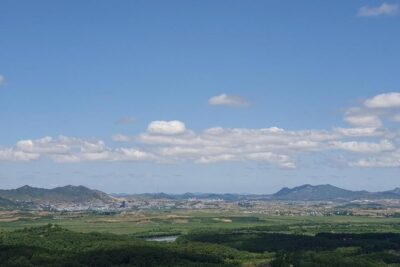
DMZ tour south Korea from Seoul (NK experience hall, defector)
Read our review →

Signature DMZ Tour: Exclusive Defector Talk & Suspension Bridge
Read our review →
Thrilling Korean DMZ 3rd Tunnel Tour from Seoul + Red Bridge Rush
Read our review →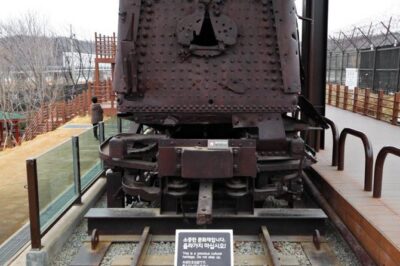
DMZ Past and Present: Korean Demilitarized Zone Tour from Seoul
Read our review →
Ultimate Korea DMZ Tour from Seoul (Gondola & Suspension Bridge)
Read our review →Browse the lists this tour appears in