
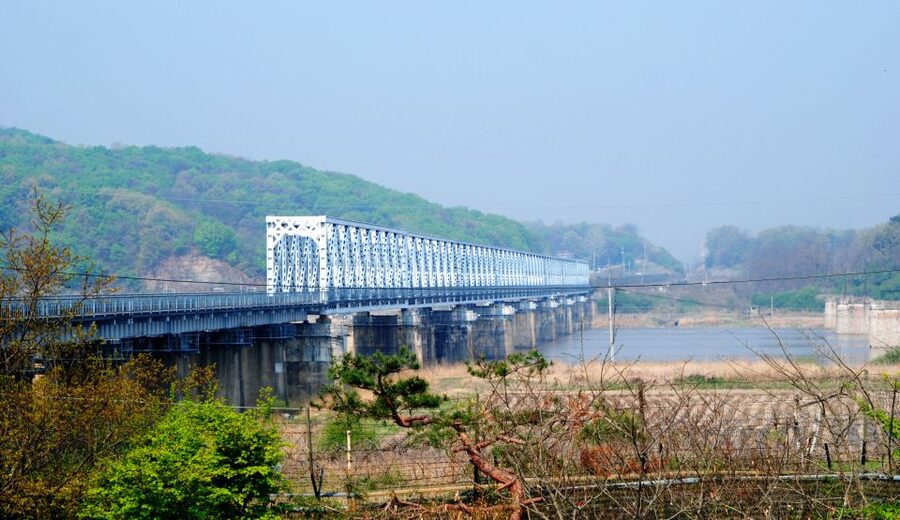
Reviewed · DMZ TOURS
Seoul: DMZ, Gyeongbokgung Palace & City Tour
The DMZ is more than a line on a map: it is a heavily controlled border where the division of Korea becomes visible. This 10-hour tour pairs its tunnel, observatory and war-history stops with Gyeongbokgung Palace, giving you two sharply different ways to understand the country in one day.
I like the contrast between the DMZ’s present-day tensions and the palace’s older royal world, and I like having a guide explain the history as you move between stops. Guides such as Molly, Ron Han and SP have earned particular praise for clear explanations, warm manners and help with photos.
The main trade-off is the long, tightly scheduled day. You must follow the authorized bus and photo rules at the DMZ, and lunch is not included, so plan for a full day on your feet.
Key points to know before you book
- The Third Tunnel puts the DMZ’s military history in concrete terms. It was designed to help North Korean forces enter South Korea, and the visit adds a physical dimension to the history.
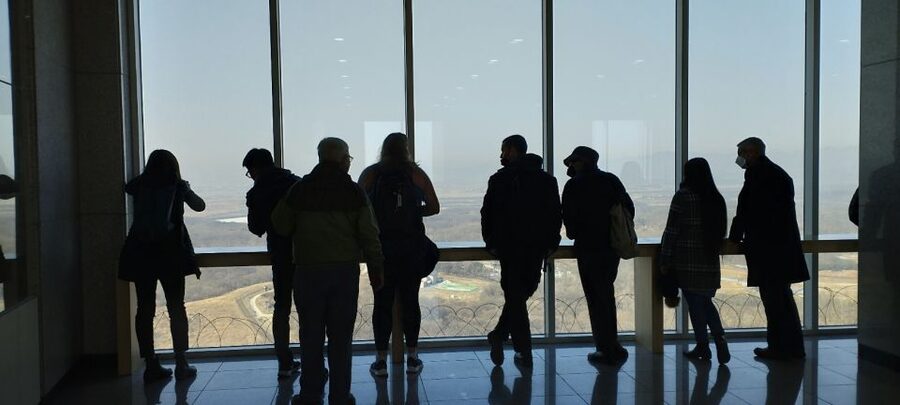
- The observatory offers a rare view toward North Korea. The view depends on conditions, and the visit is governed by strict timing and photography rules.
- Gyeongbokgung adds a different kind of history. The palace offers a look at royal life and the work of the officials and staff who helped run the court.
- You spend the day with an English-speaking guide. Past guides have included Molly, Ron Han and SP, with explanations that range from the Korean War to dynasties and everyday questions.
- The $110 price covers transport, a guide and DMZ entry. Lunch and personal expenses are extra, and the palace visit rounds out the day.
- Come prepared for rules and walking. Bring your current passport, wear sneakers, and be ready to board the authorized DMZ bus.
A day that connects the border and the palace
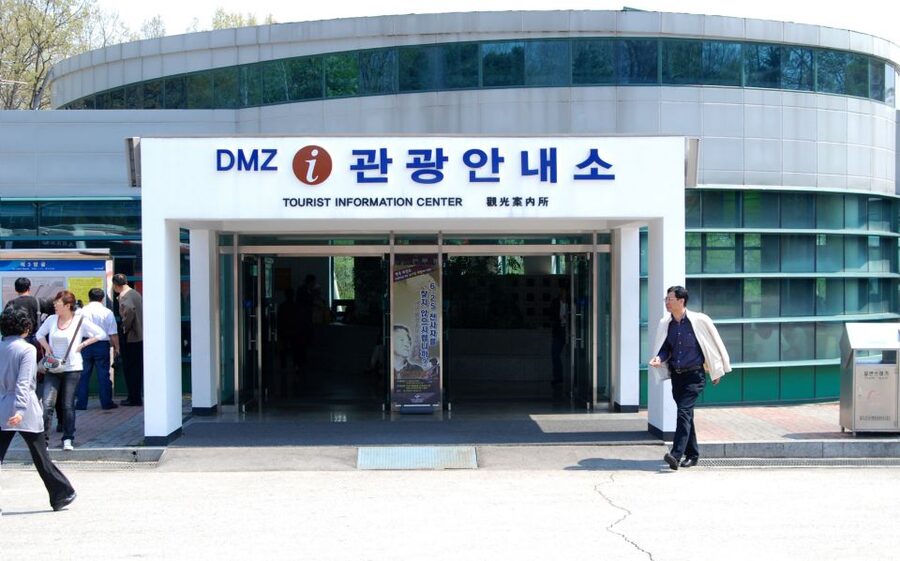
At $110 per person, the tour combines two major chapters of Korean history in a single day. You begin with the DMZ, where the continuing division between North and South Korea is not an abstract political topic. You then visit Gyeongbokgung, a royal complex that offers a very different setting for thinking about how the country was governed.
The format is practical if you want context as well as transportation. The tour includes a professional English guide, transport, DMZ entry, and hotel pick-up and drop-off when you select that option. You can also meet at Exit 7 of City Hall Station at 7:30 a.m. The advertised duration is 10 hours, so expect a full day rather than a quick excursion.
The price makes most sense if you value a guide’s explanations and the convenience of a planned route. It covers the core logistics and DMZ entry, but it does not include lunch or personal expenses. A past visitor described receiving a traditional lunch, but the tour’s stated inclusions do not promise one. Bring money for food and do not plan your day around a provided meal.
More DMZ tours from Seoul:
- Best DMZ Tour Korea from Seoul (Red Suspension Bridge Optional)
★ 5.0 · 41,422 reviews - DMZ Tour: 3rd Tunnel, Option(Suspension Bridge, Boat) from Seoul
★ 5.0 · 21,373 reviews - DMZ tour south Korea from Seoul (NK experience hall, defector)
★ 5.0 · 20,599 reviews
At the DMZ, the division becomes real
The DMZ is the central reason to book this tour. Since the Korean War, North and South Korea have remained divided, with the DMZ serving as the controlled border area between them. It is a place where history remains closely tied to current military and political realities.
A guide can help make sense of what you are seeing and explain relations between North and South Korea. The tour describes its guides as professional security specialists, and the experience includes a military tourist guide. That context matters: this is not an independent visit where you can wander at your own pace. You travel on the authorized bus and follow the schedule and photography rules.
That structure is a useful trade-off. You give up some freedom, but you have help navigating a sensitive area where access and conduct are controlled. Keep your passport with you, pay attention to the guide’s instructions, and expect the itinerary to be shaped by security requirements.
The Third Tunnel, built for invasion
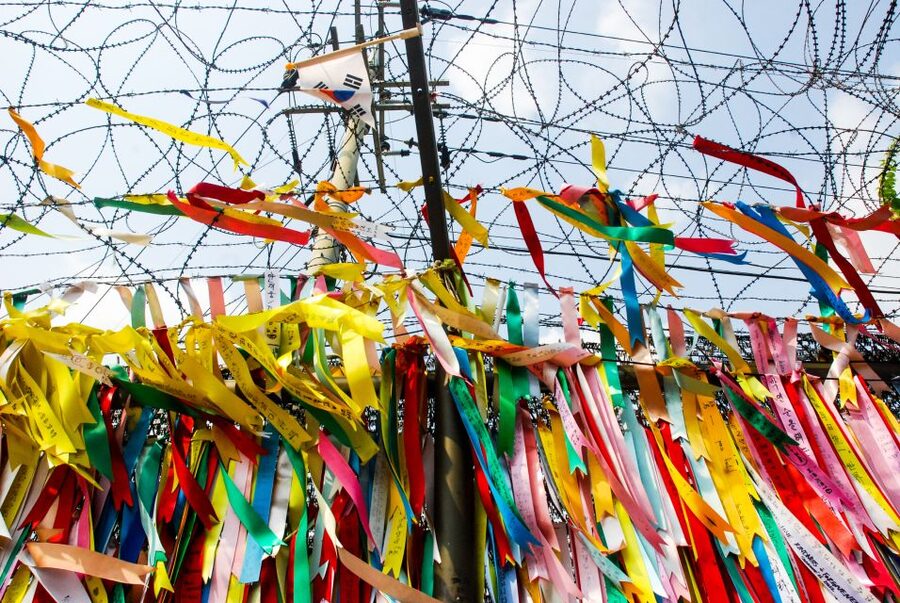
The Third Tunnel Experience is one of the tour’s most striking stops. The tunnel was designed to allow tanks to enter South Korea, making it a concrete reminder that the Korean War’s legacy is not confined to museums or textbooks.
The visit gives you a physical point of reference for the conflict and the threat that shaped the border. The tour does not specify how far you walk or what the route inside involves, so do not assume that every part of the stop will suit you equally. Wear sneakers, as the tour specifically advises against sandals and slippers, and be ready for walking.
The tunnel is also a good example of why a guide adds value. A site like this can be memorable on its own, but the history behind its purpose helps you understand why it matters. Keep your questions handy; guides have been praised for taking time to answer them.
The observatory and the view toward North Korea
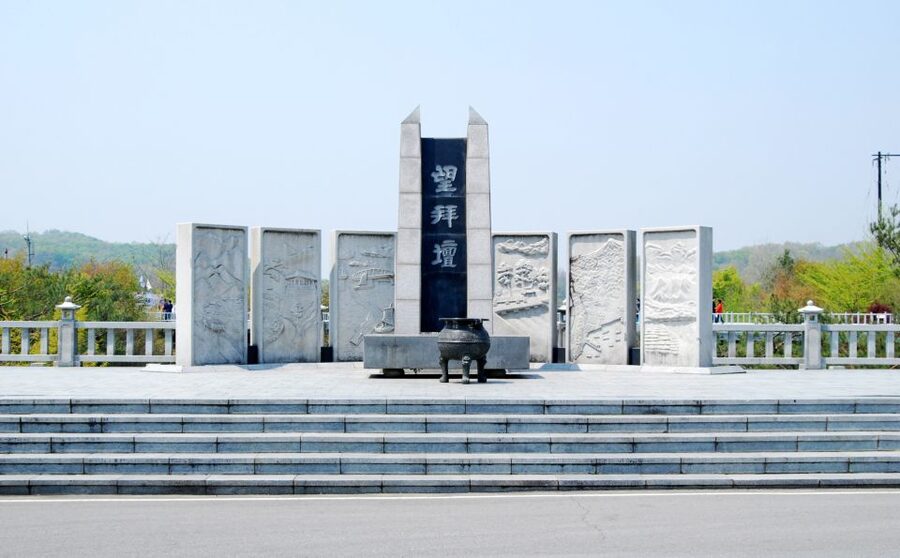
At the observatory, you may be able to view North Korean residents across the border. That possibility is a rare feature of the day, but it is important to set expectations: this is a controlled viewpoint, not a chance to cross the border or explore freely.
Photography rules apply, and you must follow the time limits set for pictures. Keep your camera ready, listen closely to the instructions, and avoid treating the stop like an ordinary scenic overlook. The value is in seeing how close the two countries are while remaining separated by a heavily controlled boundary.
The view may be brief, but it gives the tour a present-day edge. The DMZ is not just a memorial to a past war. It is part of a continuing division, and the observatory helps you grasp that reality in a way that a history lesson alone cannot.
More palace tours in Seoul:
- Seoul: Gyeongbok Palace, Bukchon Village, and Gwangjang Tour
★ 4.9 · 2,321 reviews - Best Seoul City Tour (Gyeongbokgung Palace,Insadong,Namsan Tower)
★ 5.0 · 1,647 reviews - Small-Group Royal Palace and Seoul City Tour (hotel pick-up)
★ 5.0 · 1,474 reviews - Seoul City Sightseeing Tour Including Gyeongbokgung Palace, N Seoul Tower, and Namsangol Hanok Village
★ 5.0 · 1,423 reviews
Imjingak and the war-history stop
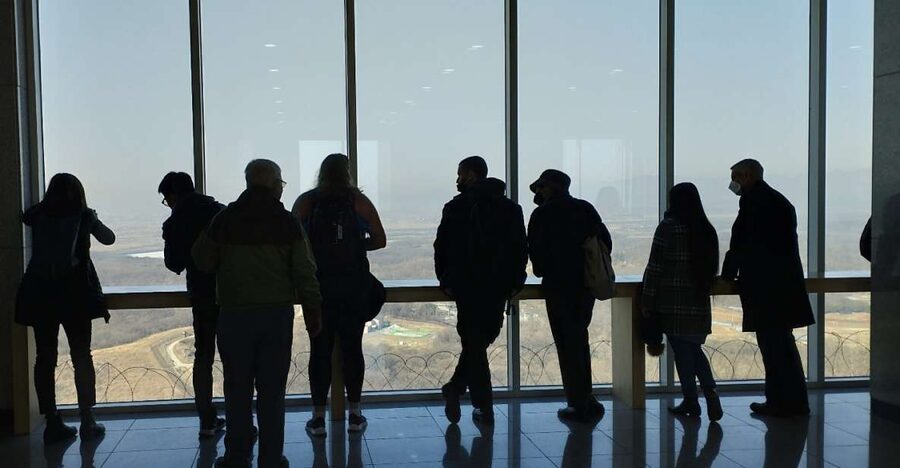
Imjingak and the War History Pavilion add further context to the DMZ visit. Together with the tunnel and observatory, they help make the day more than a single dramatic stop. You get several angles on the conflict and its consequences, rather than relying on one viewpoint to explain a complicated history.
The tour also includes an exhibition center described as a place to consider Korea’s past, present and future. The precise sequence and amount of time at each site can depend on the day’s schedule and security conditions. Expect a guided itinerary, not a leisurely museum visit where you can linger as long as you like.
A military training exercise or official event can change the plan without notice. In that case, the DMZ visit is replaced with a route that includes Tomorrow’s Whistle, Bunker Beat 131, Odusan Unification Tower and the War Memorial of Korea. This is a useful contingency, but it means you should book for the guided history experience as a whole, not for a guarantee of one exact set of stops.
Gyeongbokgung, a royal court with a working structure
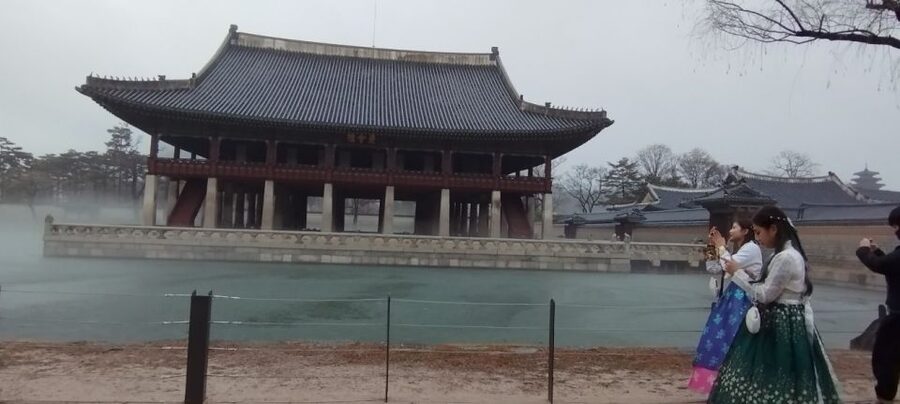
After the DMZ, Gyeongbokgung Palace shifts the focus from military division to royal rule. The palace was home to the king, his family and roughly 2,000 others. The tour’s explanation also challenges the idea of a palace as a private royal retreat: it describes the court as an institution run with employees and advisers, more like a business than a family residence alone.
That perspective can make the palace easier to read. Instead of seeing only grand buildings, you can think about the people and systems needed to govern a nation. A guide helps connect the site to Korea’s dynasties and political past, adding a useful counterpoint to the modern border earlier in the day.
Some past guide assignments have been especially personal and engaging. SP, for example, has led the DMZ portion and then provided an almost private palace visit when only a small number of people were booked for that part. Molly has been praised for connecting the war, dynasties and anecdotes, while Ron Han, also called Han Solo, has been described as kind and informative. Names are not guaranteed, but the feedback points to the guide’s role as one of the tour’s strongest features.
Gyeongbokgung is replaced by Deoksu Palace when it is closed on Tuesdays. If you have your heart set on Gyeongbokgung itself, check the day of your tour before booking. The alternative still gives you a palace visit, but it is not the same site.
What the pace and transport mean for you
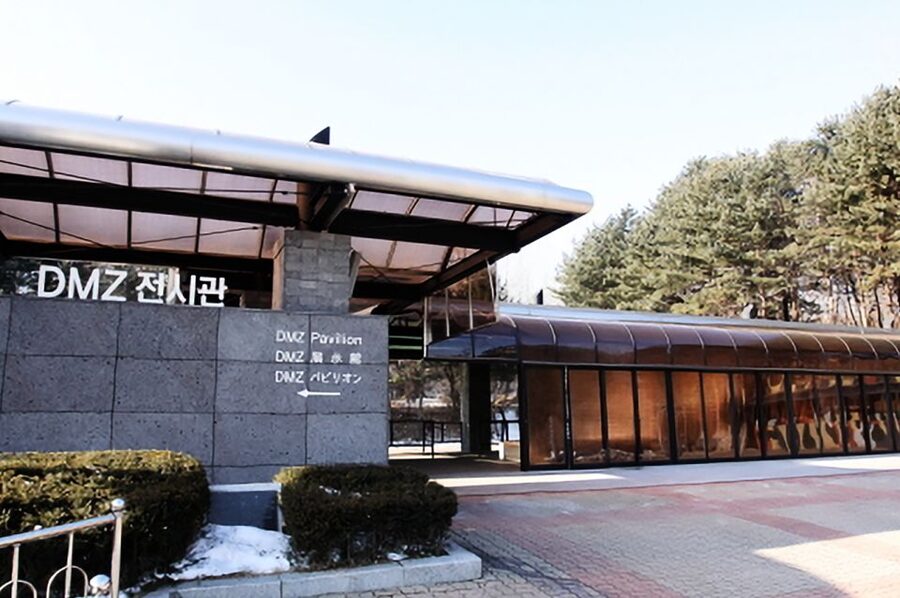
The coach-based format is useful on a day with several stops and a journey out to the DMZ. You can rest between visits instead of arranging separate transport and working out how to reach each site yourself. At the DMZ, you must use the authorized bus, so flexibility is limited by design.
Expect a full day with walking at multiple stops. A past visitor specifically recommended good shoes, which fits the tour’s own instruction to wear sneakers. The tour is not wheelchair accessible, and unaccompanied minors are not allowed. Children must be with an adult.
Hotel pick-up is optional, and the listed meeting point is Exit 7 of City Hall Station at 7:30 a.m. Hotel drop-off is included for those using the hotel service. Check the precise arrangements for your chosen departure when booking, and do not arrive without a current valid passport. The passport requirement applies to every tourist on the day of travel.
Who will get the most from this tour
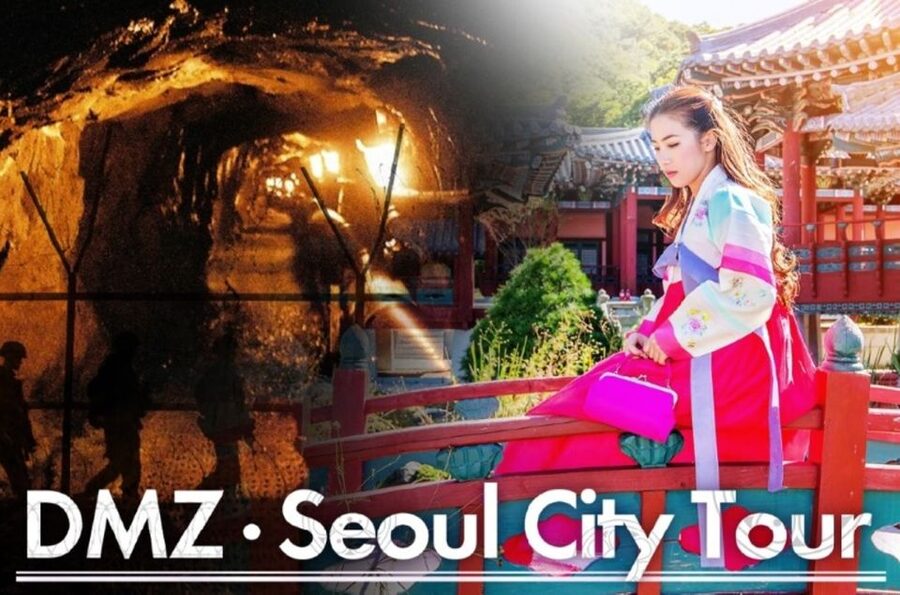
This tour suits you if you want an informed, structured introduction to the Korean War’s ongoing effects and a taste of royal history on the same day. It is especially useful if you would rather have transport, entry and explanation organized than plan a DMZ visit independently.
It also fits visitors with limited time in Seoul. Pairing the border sites with Gyeongbokgung gives you a wide historical range, though the trade-off is that neither stop becomes a slow, self-guided day. If you prefer to spend hours at one palace or move at your own pace, separate visits may suit you better.
The guide can be a major part of the experience. Past guide names include Molly, Ron Han and SP, and the qualities praised most often are clear explanations, warmth, patience with questions and help taking photos. Those details matter on a tour that moves quickly through places where the history can be complex.
Should you book it?
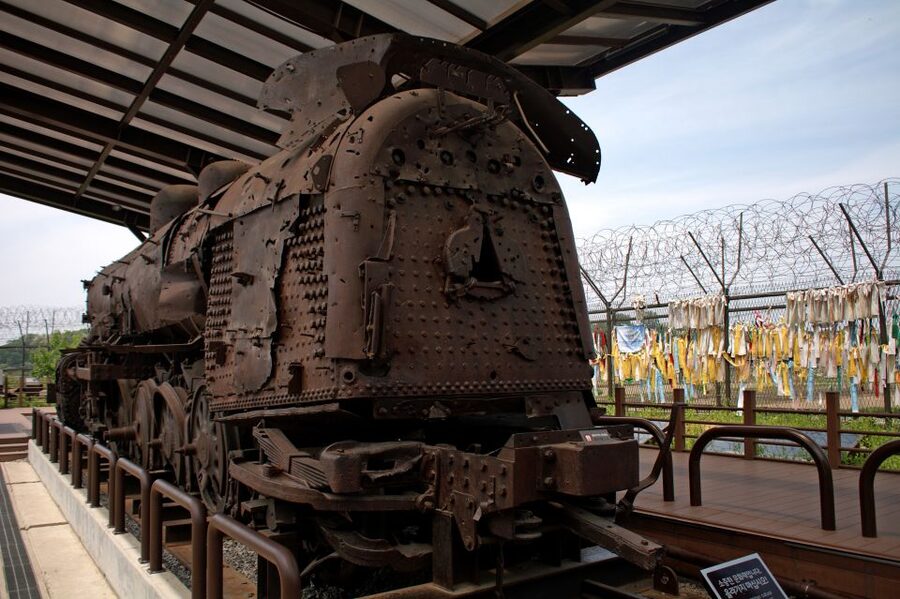
Book this tour if you want a guided, full-day account of Korea’s division, with the Third Tunnel, observatory and war-history stops paired with a palace visit. At $110, the combination of transport, DMZ entry and an English-speaking guide makes a practical package, especially if you value expert context over free time.
Think twice if you need a flexible pace, cannot manage walking, or want lunch included. The DMZ schedule is controlled, the exact route can change for military or official events, and the palace may switch to Deoksu on Tuesdays. If those limits work for you, bring your passport, lace up your sneakers and make room for a day that links Korea’s past to a very present border.
FAQ
How long is the tour?
The tour lasts 10 hours. Starting times can vary, so check availability for the date you want.
Where is the meeting point?
The listed meeting point is Exit 7 of City Hall Station at 7:30 a.m. Hotel pick-up is also available as an option.
Do I need to bring my passport?
Yes. Every participant must bring a current, valid passport on the day of the tour.
Is lunch included?
No. Lunch and personal expenses are not included in the stated price.
What should I wear?
Wear sneakers and do not wear sandals or slippers. The tour includes walking at its stops.
What happens if the DMZ is closed for training or an official event?
The tour is replaced with a visit to Tomorrow’s Whistle, Bunker Beat 131, Odusan Unification Tower and the War Memorial of Korea.
Is Gyeongbokgung Palace visited every day?
Gyeongbokgung is replaced by Deoksu Palace when it is closed on Tuesdays.
Latest reviews from Seoul
- From Seoul: Hwacheon Ice Fishing and Lighting Festival Tour★ 4.5 · 4 reviews
- Unique Native Experience : Han River Picnic, Board game, BBQ★ 5.0 · 3 reviews
- You’re Invited to Our Home in Seoul: The Only Cooking Class!★ 5.0 · 8 reviews
- Seoul: Gangneung BTS K-Pop & K-Drama Filming Locations Tour★ 4.6 · 14 reviews
- Yun Korean Cooking Class in Seoul★ 5.0 · 6 reviews
- 2-Hour Private Kayaking and Paddleboarding Experience in Hanriver★ 5.0 · 3 reviews
- Day Trip to Yongin Daejanggeum and Korean Folk Village from Seoul★ 4.0 · 9 reviews
- K-Pop Making Class with a Producer!★ 5.0 · 3 reviews
DMZ Tours, compared.
Best DMZ Tour Korea from Seoul (Red Suspension Bridge Optional)
Read our review →
DMZ Tour: 3rd Tunnel, Option(Suspension Bridge, Boat) from Seoul
Read our review →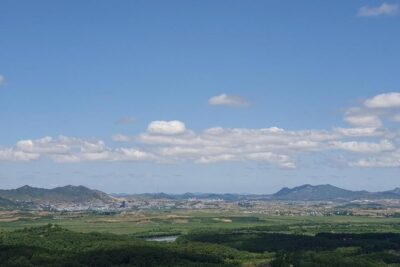
DMZ tour south Korea from Seoul (NK experience hall, defector)
Read our review →

Signature DMZ Tour: Exclusive Defector Talk & Suspension Bridge
Read our review →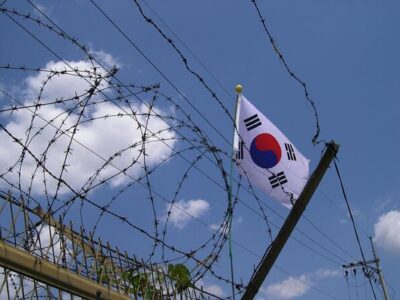
Thrilling Korean DMZ 3rd Tunnel Tour from Seoul + Red Bridge Rush
Read our review →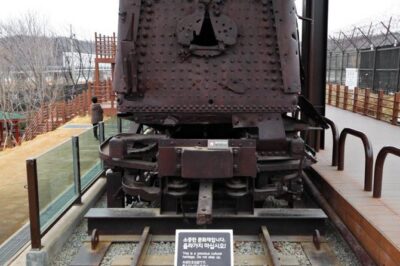
DMZ Past and Present: Korean Demilitarized Zone Tour from Seoul
Read our review →
Ultimate Korea DMZ Tour from Seoul (Gondola & Suspension Bridge)
Read our review →Browse the lists this tour appears in