
Reviewed · DMZ TOURS
Seoul DMZ Tour with 3rd Tunnel and Red Suspension Bridge
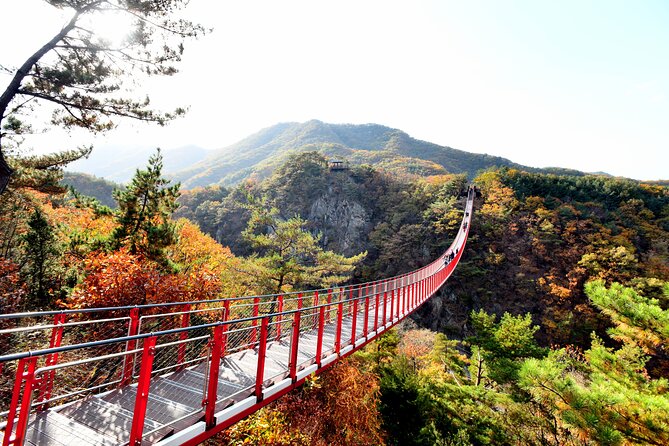
The striking contrast on this tour is hard to miss: you walk through a cramped tunnel built beneath the border, then look toward North Korea from Dora Observatory. Later, a suspension bridge at Gamaksan adds mountain views and a reminder of the 1951 Battle of Solma-ri.
I like two things especially: the guide gives context during the drive, so the sites make more sense when you arrive, and the route combines Korean War history with a physical, outdoor experience. The Third Tunnel and the bridge are not just photo stops; both ask you to climb, crouch or keep moving.
The trade-off is a long day with demanding sections. The tunnel’s steep return climb and the uphill walk to the bridge can be tough if you are less active, and you need a valid passport to enter the DMZ area.
- Walk the Third Tunnel: South Korea discovered it in 1978. The route is narrow, low-ceilinged and steep on the way back.
- Look north from Dora Observatory: On a clear day, you may see places including Gaeseong and Songaksan.
- Pause at Imjingak: Monuments, Mangbaedan and the Bridge of Freedom speak to families separated by the Korean War.
- Cross Gamaksan’s 150-meter suspension bridge: The setting links mountain scenery with the Battle of Solma-ri.
- Plan for a full, active day: The tour lasts about eight hours and includes uphill walking and stairs.
- Bring your passport and snacks: Military access rules can affect the day, and meals are not included.
A full day at the edge of the DMZ
This tour leaves from the Myeong-dong subway station area and visits several sites north of Seoul. The drive is part of the experience: your guide introduces the Korean War and the border’s history before you reach the DMZ area. That background matters. Without it, the monuments and military sites can feel like a string of stops; with it, you have a clearer sense of what each place represents.
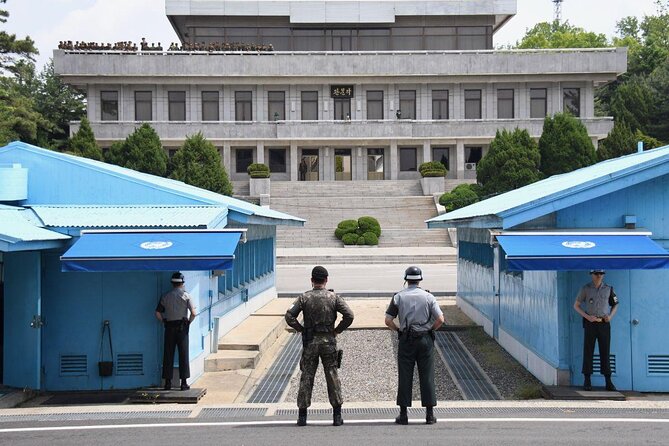
The listed duration is about eight hours, with a return to the Myeong-dong area. The route includes air-conditioned transport, admission tickets and a guide. You pay separately for meals and drinks, and there is no visit to the Joint Security Area, or JSA. This is a DMZ tour focused on Imjingak, the Third Tunnel, Dora Observatory and Gamaksan’s bridge, not a JSA visit.
Guides named by past participants include Winnie, Thomas, Kenny, Grace, Leo, Stella and Chloe. The strongest part of the guiding is the human context: guides explain the history, answer questions and use stories to make the sites easier to understand. Some have also shared photos or helped take group pictures. Your assigned guide may differ, of course, but the guide’s commentary is central to the day.
Imjingak and the places of separation
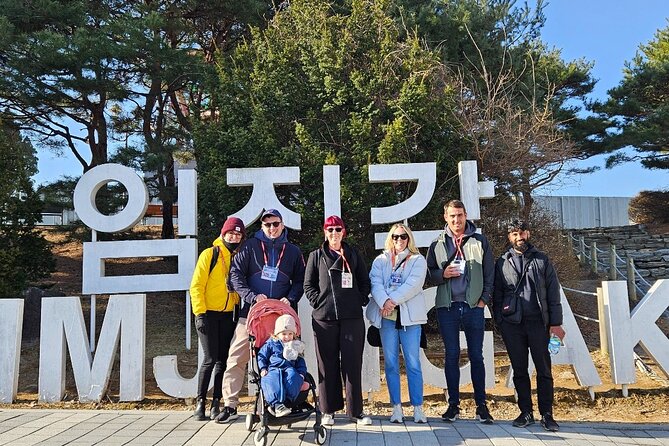
Imjingak was built in 1972 with the hope that reunification might one day be possible. It sits about seven kilometers from the Military Demarcation Line, making it a place for reflection as well as a convenient first stop on the route. You have around 30 minutes at Imjingak Pyeonghoa-Nuri Park, where monuments, Unification Park and the North Korea Center give a first look at how the division is remembered.
The stop is not a deep visit to every exhibit. Think of it as an introduction, with time to see the grounds and take in the memorials. The park’s location gives the word border a concrete meaning: this is not a far-off line on a map, but a divide with families and communities on either side.
Mangbaedan, a short walk or visit within the area, is especially poignant. People who left family in the North come here on New Year’s Day to pay respects. The stop is brief, about 15 minutes, but the ritual helps explain the personal cost of separation better than a timeline alone.
The Bridge of Freedom and Dokgae Bridge add more layers to the story. The Bridge of Freedom is tied to the return of prisoners of war, while Dokgae Bridge was destroyed during the Korean War and later rebuilt. If you have only a little time at Imjingak, I would focus on what your guide says about these sites rather than trying to rush through every monument.
More DMZ tours from Seoul:
- Best DMZ Tour Korea from Seoul (Red Suspension Bridge Optional)
★ 5.0 · 41,422 reviews - DMZ Tour: 3rd Tunnel, Option(Suspension Bridge, Boat) from Seoul
★ 5.0 · 21,373 reviews - DMZ tour south Korea from Seoul (NK experience hall, defector)
★ 5.0 · 20,599 reviews
The Third Tunnel: history at crouching height
The Third Tunnel was discovered by South Korea in 1978. It is described as 1,635 meters long, two meters wide and two meters high, and is about 52 kilometers from Seoul. The tunnel was considered large enough to move an estimated 30,000 soldiers through it in an hour. Those figures make the military purpose plain, but walking through it is what makes the scale feel real.
You spend about 40 minutes at the tunnel stop, including the walk. Expect a descent, a low ceiling in parts and a return climb that can feel harder than the way down. One visitor who was 176 centimeters tall reported hitting a helmet on the ceiling repeatedly, so do not assume the stated two-meter height means you can walk upright throughout. Safety helmets are used, and you should be ready to stoop.
This is the tour’s most physically demanding section for many people. The tunnel’s slope and low roof can make it uncomfortable if you have mobility concerns, a fear of tight spaces or limited stamina. The tour advises a moderate fitness level, and that is sensible advice. Wear sturdy shoes, not flip-flops, slippers or heels.
I find the tunnel valuable because it changes the way you picture the border. The DMZ is often discussed in terms of politics and maps, but here you encounter an underground route built for a very direct military purpose. It is not a polished museum visit. It is a physical walk through a confined space, and that is precisely why it can stay with you.
Dora Observatory and a view into North Korea
At Dora Observatory, you have about 30 minutes to look north across the border. From here, the view can include Gaeseong, Songaksan, a statue of Kim Il-Sung and the Geumamgol Cooperative Farm. On a clear day, you may even spot people working or living in the distance. Haze and weather affect visibility, so treat the view as a chance, not a guarantee.
The observatory offers a different kind of encounter from the tunnel. There is no narrow passage or steep underground walk; instead, you stand at a viewing point and try to read a place that remains out of reach. The guide’s explanations help identify what you are seeing and why the locations matter. Without that context, distant buildings can be hard to distinguish from one another.
Bring patience and a little flexibility. Visibility changes with conditions, and even on a clear day, the details are far away. The value lies partly in seeing the geography for yourself: the boundary is real, but daily life continues beyond it.
Gamaksan’s Red Suspension Bridge and Battle of Solma-ri
The final major stop is Gamaksan Chulleong Bridge, a 150-meter suspension bridge in the Solma-ri area. The bridge is 1.5 meters wide and crosses a mountain setting associated with the Battle of Solma-ri, also known as the Battle of Gloster Hill. British troops fought there in 1951, and the site gives the day a wider international perspective on the Korean War.
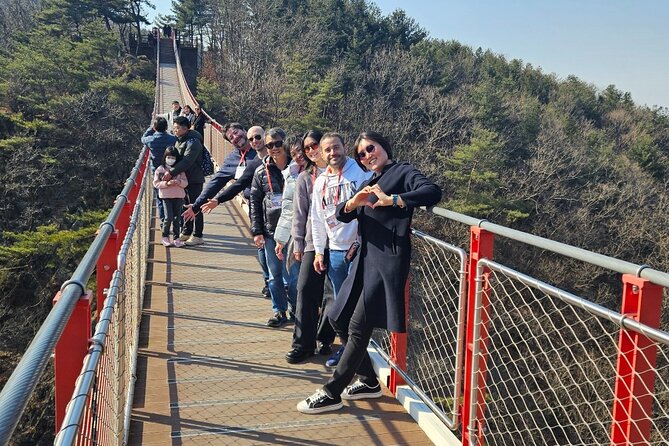
You have about an hour at the stop. The bridge itself offers an open-air change of pace after the tunnel and observatory, with views over the surrounding mountains. But getting to it takes effort. The approach includes a steep uphill walk, and one detailed account counted roughly 400 steps from the road to the bridge. The exact experience can vary, but it is wise to expect a climb rather than a level stroll.
The setting is attractive, yet the memorial context keeps it from feeling like a simple adventure stop. Your guide can explain the battle and the role of British troops, connecting the scenery with the human cost of the fighting. That mix of views and history is one of the tour’s strongest combinations.
If you are managing your energy, save some for this stop. The tunnel’s return climb comes earlier, but the bridge approach can still feel demanding late in an already active day. Take your time and use the hour well rather than racing to the far side and back.
More Seoul tours and experiences:
- Seoul: DMZ Tour with Optional Suspension Bridge
★ 4.8 · 5,277 reviews - Signature DMZ Tour: Exclusive Defector Talk & Suspension Bridge
★ 5.0 · 4,459 reviews - Thrilling Korean DMZ 3rd Tunnel Tour from Seoul + Red Bridge Rush
★ 5.0 · 3,097 reviews - DMZ Past and Present: Korean Demilitarized Zone Tour from Seoul
★ 5.0 · 2,481 reviews
What the $45 price covers, and what it does not
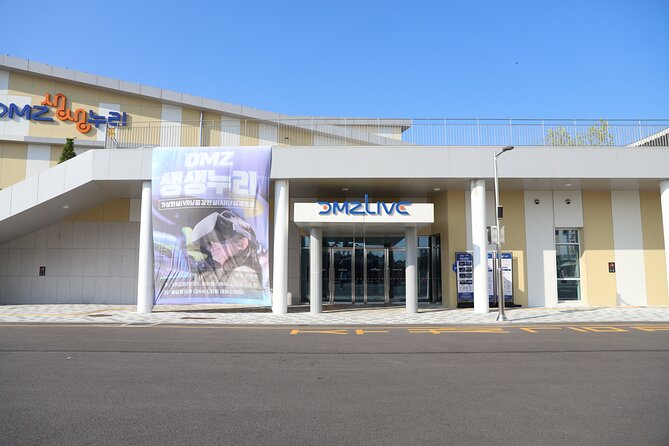
At $45 per person, the price includes an air-conditioned vehicle, admission tickets and a professional guide. That is solid value for a full-day route with several distant stops, particularly because the tunnel and observatory admissions are included. The combination also saves you from arranging transport between sites on your own.
Meals and beverages are not included, and the tour does not include travel insurance or a JSA visit. There is no formal meal included in the schedule, so bring snacks and water to keep your energy up. The park may offer a chance to pause, but do not count on a long sit-down lunch. A few small snacks can make a real difference by the later bridge stop.
The tour starts and ends in the Myeong-dong area, but confirm the exact meeting point and return arrangement before the day. The stated meeting point is near Myeong-dong subway station, and the description says the group returns near the meeting location. The precise drop-off can matter after a tiring day, especially if your hotel is elsewhere.
Military authorities operate the DMZ, so access rules can lead to cancellation without prior notice. The experience also requires a current valid passport on the day. If you are booking close to a fixed onward connection, leave a buffer rather than planning something tight immediately after the tour.
Who should book this tour
I would choose this tour if you want a full-day introduction to the Korean War and the present-day border, with more variety than a visit to one observation point. It suits curious first-time visitors, history-minded families with teenagers and solo visitors who prefer a guided day trip to working out transport and context alone. The guides’ stories are a major part of the experience, especially on the bus between sites.
It is less suitable if you want a gentle sightseeing day. The Third Tunnel involves a steep walk and a low ceiling, and Gamaksan requires an uphill climb. Older people or anyone who is sedentary, unsteady on stairs or uncomfortable in confined spaces should weigh those sections carefully. You can still enjoy the memorial sites and views, but the physical demands are not a minor detail.
The absence of shopping-center stops is another plus if you want the day focused on history rather than retail detours. At the same time, the itinerary is full, and each site has a set time. You will get a useful overview, not hours to explore every monument or exhibition at your own pace.
Practical details before you go
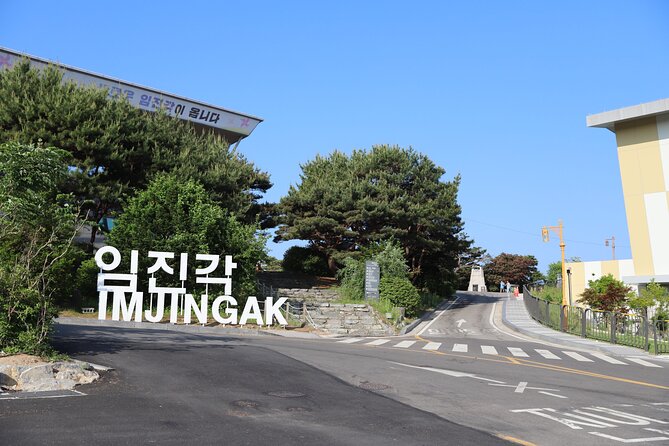
Wear comfortable walking shoes with grip and leave the heels and open slippers at home. Carry your passport, a snack and a drink, and dress for a day that includes both indoor tunnel walking and time outdoors. A hat may be useful in the tunnel because the ceiling is low, though safety helmets are provided.
The tour offers free cancellation up to 24 hours before its start time. Cancellations made less than 24 hours before departure are not refunded, and changes inside that window are not accepted. If the minimum group size is not met, the operator offers another date or experience, or a full refund.
Should you book it?
Book this tour if you want a lively, well-explained day that joins memorials, a real tunnel, a border viewpoint and a mountain bridge. The $45 price covers transport and admissions, and the route offers a stronger sense of place than a quick drive to one lookout.
Skip it if you need a low-effort day, dislike tight spaces or cannot manage steep stairs. For most active visitors with an interest in Korean history, though, this is a worthwhile way to understand both the DMZ’s military history and the people still affected by division.
FAQ
How long is the tour?
The tour lasts about eight hours. The route includes Imjingak, Mangbaedan, the Third Tunnel, Dora Observatory and Gamaksan Chulleong Bridge.
Where does the tour start and end?
The stated meeting and ending area is Myeong-dong in Seoul, near Myeong-dong subway station. Confirm the exact meeting and drop-off point before departure.
What is included in the $45 price?
The price includes an air-conditioned vehicle, admission tickets and a professional guide. Meals, beverages and travel insurance are not included.
Do I need to bring my passport?
Yes. A current valid passport is required on the day of travel.
Is the Joint Security Area included?
No. The tour does not include a visit to the Joint Security Area, also known as the JSA.
Is the Third Tunnel physically demanding?
It can be. The route includes a descent and a steep return climb, and parts of the tunnel have a low ceiling that requires you to stoop. The tour recommends a moderate fitness level.
Are meals provided?
No. Meals and beverages are not included. Bring snacks and drinks to help maintain your energy during the full-day tour.
Can the tour be canceled because of DMZ rules?
Yes. The DMZ is operated by the military, and the trip may be canceled without prior notice. If the minimum number of travelers is not met, you are offered another date or experience, or a full refund.
Latest reviews from Seoul
- From Seoul: Hwacheon Ice Fishing and Lighting Festival Tour★ 4.5 · 4 reviews
- You’re Invited to Our Home in Seoul: The Only Cooking Class!★ 5.0 · 8 reviews
- Unique Native Experience : Han River Picnic, Board game, BBQ★ 5.0 · 3 reviews
- Seoul: Gangneung BTS K-Pop & K-Drama Filming Locations Tour★ 4.6 · 14 reviews
- Yun Korean Cooking Class in Seoul★ 5.0 · 6 reviews
- 2-Hour Private Kayaking and Paddleboarding Experience in Hanriver★ 5.0 · 3 reviews
- Day Trip to Yongin Daejanggeum and Korean Folk Village from Seoul★ 4.0 · 9 reviews
- K-Pop Making Class with a Producer!★ 5.0 · 3 reviews
DMZ Tours, compared.
Best DMZ Tour Korea from Seoul (Red Suspension Bridge Optional)
Read our review →
DMZ Tour: 3rd Tunnel, Option(Suspension Bridge, Boat) from Seoul
Read our review →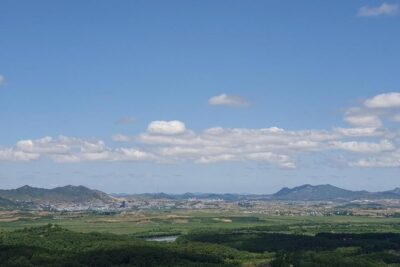
DMZ tour south Korea from Seoul (NK experience hall, defector)
Read our review →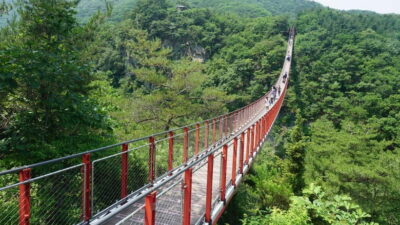

Signature DMZ Tour: Exclusive Defector Talk & Suspension Bridge
Read our review →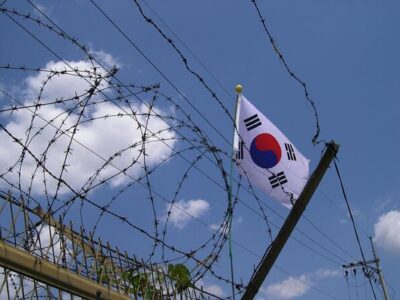
Thrilling Korean DMZ 3rd Tunnel Tour from Seoul + Red Bridge Rush
Read our review →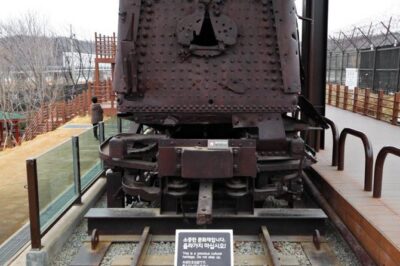
DMZ Past and Present: Korean Demilitarized Zone Tour from Seoul
Read our review →
Ultimate Korea DMZ Tour from Seoul (Gondola & Suspension Bridge)
Read our review →Browse the lists this tour appears in