
Reviewed · DMZ TOURS
Ultimate Korea DMZ Tour from Seoul (Gondola & Suspension Bridge)
The most compelling part of this day is the contrast: a working military border, a tunnel built beneath it, and memorials to families still separated by the Korean War. The Third Tunnel and Dora Observatory give the history a physical scale that a Seoul museum cannot.
I like two things especially: the guides make complicated history easier to follow, and the varied stops keep the day from becoming one long lecture. The gondola ride adds a different view of the border region, while Imjingak’s memorials bring the human cost of division into focus.
The trade-off is a packed schedule. Expect early starts, plenty of walking, steep uphill sections at the tunnel and suspension bridge, and little time to linger. The exact mix of optional stops may vary, so check what your chosen departure includes before booking.
What to know before you go
- The Third Tunnel involves a steep walk. The return climb is strenuous, and the tunnel itself has a low, confined section.
- Dora Observatory is the closest viewing point on this route. You may see North Korea through a telescope, but photography is restricted in some areas.
- Imjingak gives the day its emotional context. The Bridge of Freedom, memorial altar, peace bell, and damaged locomotive connect the border to divided families and the war.
- The listed itinerary includes optional attractions. The gondola and suspension bridge stops are marked optional, so confirm which are part of your specific tour.
- Your passport matters. At the Unification Bridge checkpoint, soldiers inspect the bus and verify identification. Bring your passport, military ID, or South Korea-issued residence card.
- This is a long, active day. The tour lasts about 7.5 hours, and the group may include up to 150 people.
A day at the border, not just a bus ride
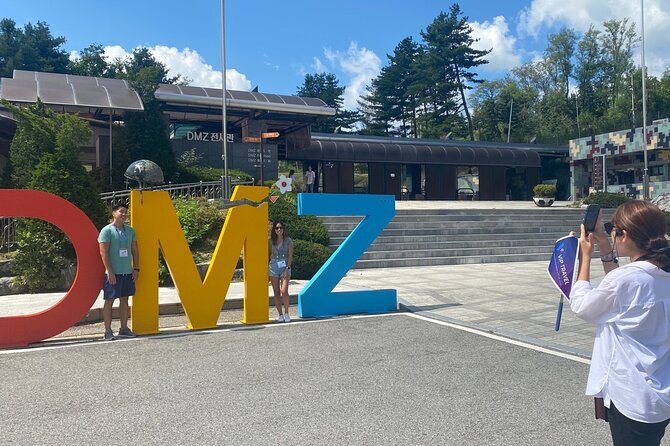
The DMZ is a four-kilometer-wide buffer zone established after the 1953 armistice, separating North and South Korea. Visiting it is not simply a matter of looking across a line on a map. Military checkpoints, restricted photography, and access rules are part of the experience, and they remind you that this is still a sensitive border.
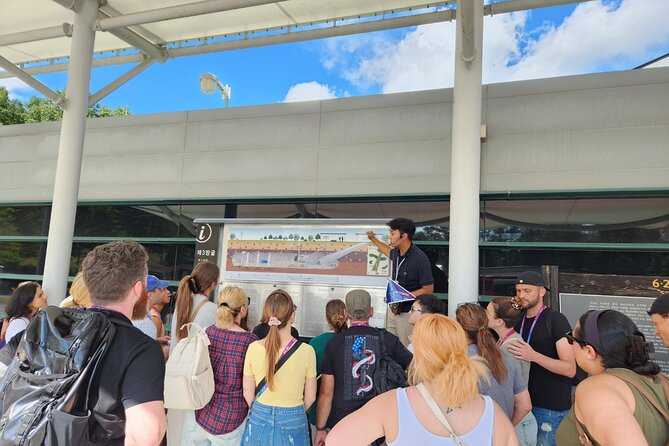
A guide adds real value here. On the bus, you can get context before arriving at each stop, then use your limited time on site to understand what you are seeing. Guides named in tour feedback include Nancy, Diane, Gogo, Kelly, and others. The guide assigned to your departure can vary, but guests repeatedly praise lively explanations, clear instructions, and help with military rules.
The tour is listed at $35 per person, with round-trip transportation from Seoul, an air-conditioned vehicle, and fees and taxes included. At that price, the value is strong if the stops you want are included. But because the gondola and suspension bridge are marked optional in the route description, ask whether their tickets are covered or require an extra payment before you book.
More DMZ tours from Seoul:
- Best DMZ Tour Korea from Seoul (Red Suspension Bridge Optional)
★ 5.0 · 41,422 reviews - DMZ Tour: 3rd Tunnel, Option(Suspension Bridge, Boat) from Seoul
★ 5.0 · 21,373 reviews - DMZ tour south Korea from Seoul (NK experience hall, defector)
★ 5.0 · 20,599 reviews
Starting from Seoul and crossing into Paju
You can meet the bus at one of three central locations: Myeongdong Subway Station, Exit 9; Seoul City Hall Subway Station, Exit 6; or Hongdae Subway Station, Exit 3. Pickup is offered, but hotel drop-off is not included. At the end of the day, the bus returns to one of those same general areas, which is useful if you want to continue exploring or find dinner nearby.
The ride north is part of the lesson. Your guide can introduce the Korean War and the division of the peninsula before you reach the military-controlled area. The day may begin earlier than you expect, since military access and busy sites can affect the schedule. Keep your belongings together and listen closely to timing instructions; a group tour has to keep moving.
The group may be as large as 150 people, though some departures can be smaller. A large group means the guide’s microphone and clear meeting points matter, and you should watch the clock at every stop. This is not a slow, private visit with long stretches for wandering.
Imjingak’s memorials and the Bridge of Freedom
Imjingak Pyeonghwa-Nuri Park is a fitting first stop. Its displays and memorials frame the hope for reunification, while the park’s open spaces and pinwheels make a striking contrast with the military history surrounding it. You may see the damaged steam locomotive associated with the Gyeongui Line, a reminder of a railway cut off by war and division.
The Bridge of Freedom carries a particularly direct human story. Built as a temporary crossing after the armistice, it was used by 12,773 prisoners returning to South Korea. The bridge is more than a photo stop: it gives you a concrete link between the ceasefire and the people who had to make their way home.
At Mangbaedan Memorial Altar, families honor relatives who remain in North Korea, especially around traditional holidays. The Peace Bell, cast in 2002, gives the park another symbol of reunification. These stops can feel solemn, and that is their point. They shift the day from military hardware to the personal cost of a divided country.
Dokgae Bridge and the locomotive add further traces of the war. The route description includes time at each, though the schedule is tight. If you are drawn to the historical objects, take a quick look at the details before moving on rather than expecting a long, unstructured visit.
The gondola and the view across the Imjin River
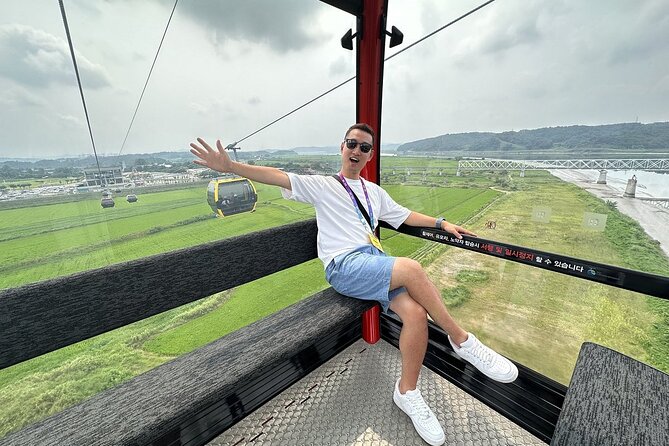
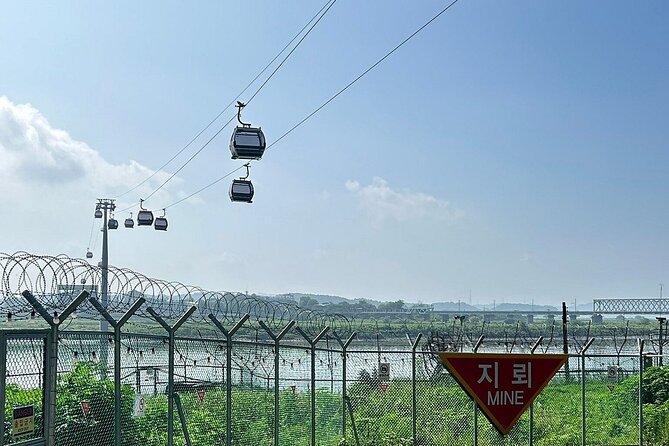
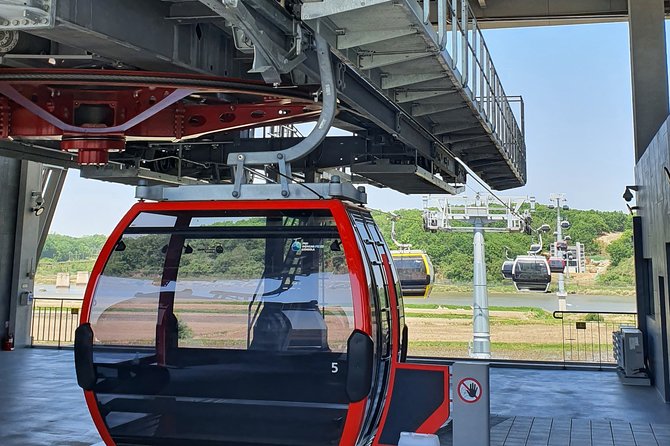
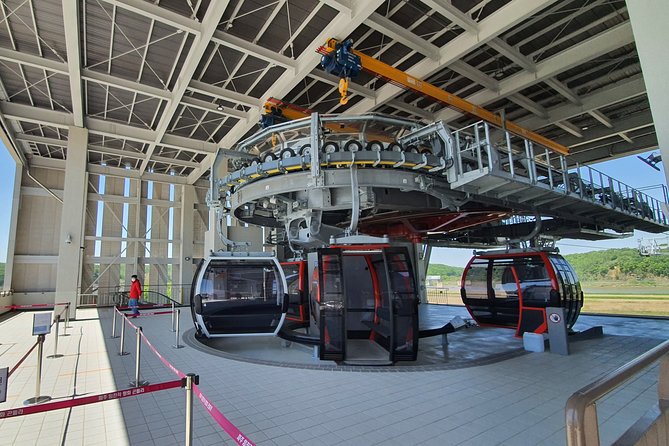
The Paju Imjingak Peace Gondola crosses the Imjin River and travels beyond the Civilian Control Line. From the cable car, you get a broad view of the river and the DMZ area, a perspective that differs from the ground-level memorials and observatories. The crossing is also a reminder that the region is not simply an empty strip: it is a controlled border zone with strict access rules.
The gondola is described as optional, although it appears as a one-hour stop in the route. That uncertainty is worth resolving before you pay. If it is included in your departure, it adds a memorable change of pace; if it costs extra, decide whether the aerial view matters enough to you to add it.
The route also describes a brief bus crossing of the Imjin River and an ID check at the Unification Bridge checkpoint. Have your identification ready rather than digging through a day bag when soldiers come aboard. Photography restrictions can apply, and the guide will tell you where cameras are allowed. Follow those directions even if another visitor seems to be taking pictures.
More Seoul tours and experiences:
- Seoul: DMZ Tour with Optional Suspension Bridge
★ 4.8 · 5,277 reviews - Signature DMZ Tour: Exclusive Defector Talk & Suspension Bridge
★ 5.0 · 4,459 reviews - Thrilling Korean DMZ 3rd Tunnel Tour from Seoul + Red Bridge Rush
★ 5.0 · 3,097 reviews - DMZ Past and Present: Korean Demilitarized Zone Tour from Seoul
★ 5.0 · 2,481 reviews
The Third Tunnel: fascinating, and physically demanding
The Third Tunnel, also called the Third Infiltration Tunnel, is one of the day’s most significant stops. It was discovered in 1978 and is one of several tunnels attributed to North Korea, built beneath the border. The visit gives you a sense of the effort involved in constructing a passage underground, but it is not a gentle stroll.
Expect a long uphill walk on the way back from the tunnel. The passage is confined, and the return climb can be hard work, particularly if you have mobility concerns or are not comfortable in narrow spaces. Some visitors find the viewing point at the end less dramatic than the walk itself, since you see a barrier rather than crossing into North Korea. The site’s displays can offer useful context, so use your time there according to your interests and energy.
Wear shoes suitable for uphill walking and keep your pace steady. The route is not a good fit for everyone, and the supplied information notes no alternative for visitors with disabilities. If stairs, steep climbs, or enclosed spaces are a concern, contact the operator before booking rather than assuming you can skip the difficult part.
Dora Observatory and Tongilchon
Dora Observatory, rebuilt in 2018, is a key stop for looking toward North Korea. Telescopes can bring distant details into view, though what you can see depends on conditions and the day’s restrictions. Some photography is prohibited, so treat the guide’s instructions as part of the visit, not an inconvenience to work around.
The view gives the border a scale that maps and news reports cannot. You are looking across a real landscape, not at a staged exhibit, and the divide between the two Koreas becomes immediate. Still, manage expectations: distance, visibility, and security rules mean you may not see every detail you hope to spot.
The route also includes Tongilchon, a village beyond the Civilian Control Line associated with Jangdan soybeans. It offers a quieter pause after the observatory and tunnel. The tour description lists a short visit, not an extended village tour, so think of it as a brief look at life in a place shaped by its proximity to the border.
Suspension bridge options and the active finish
The tour information lists two possible suspension bridge stops: Gamaksan Red Suspension Bridge and Majang Lake’s suspension bridge. Both are marked optional, and each is allotted about an hour in the route description. The listed timing and number of stops make it important to confirm which bridge, if any, your departure visits.
Gamaksan’s bridge was built to honor Korean War heroes and sits near the DMZ. Majang Lake’s bridge crosses a reservoir and offers a different setting, with water and surrounding greenery. Either can provide a welcome change from memorials and military history, but both involve walking. The reviews specifically warn that reaching a suspension bridge can mean uphill sections, so do not treat it as a rest stop.
These optional outings can make the day more varied, but they also add to an already full schedule. If your priority is the DMZ itself, ask whether the bridge is included without cutting time at the tunnel or observatory. If you are keen on scenery and comfortable walking, the bridge may be a worthwhile counterpoint to the day’s more serious stops.
Timing, meals, and practical comfort
The advertised duration is about 7.5 hours, but the schedule has many stops and military checkpoints. At each site, you may have only enough time for the main feature and a quick look around. Keep an eye on your guide, especially in large groups, and take bathroom and snack opportunities when they arise.
Lunch is not included. One account of the tour describes a restaurant meal and notes that the food was acceptable, but the listing does not promise a meal or specify what will be served. Bring money for lunch and any personal purchases. The observatory area is described as a place where North Korean products may be available for purchase, but buying anything is optional.
The tour is described as suitable for most people, but that does not mean it is easy for every body. The tunnel’s uphill return and the suspension bridge walks are the main physical challenges. If you want to see the sites but cannot manage steep walking or confined spaces, ask the operator exactly which stops are compulsory on your departure.
Is this DMZ tour worth booking?
I would choose this tour if you want a broad introduction to the DMZ and value a guide who can connect the tunnel, memorials, and observatory into one story. The strongest parts are the Third Tunnel, the look toward North Korea from Dora Observatory, and the moving memorials at Imjingak. The bus makes a long day from Seoul practical, and the listed price is appealing for a guided trip with transport.
I would pause if you need a leisurely pace, have difficulty with steep uphill walks, or want guaranteed time at every listed stop. The route includes optional attractions, and the schedule is tight enough that you should confirm the exact combination before booking. Bring valid identification, wear comfortable walking shoes, and be ready to follow security rules.
For a first visit to the border region, this is a useful, varied day out, provided you go in expecting a brisk itinerary rather than a quiet afternoon. If the tunnel climb and group pace suit you, book it; if not, look for a tour with a slower or more accessible route.
FAQ
Where does the tour start?
You can meet the group at Myeongdong Subway Station, Exit 9; Seoul City Hall Subway Station, Exit 6; or Hongdae Subway Station, Exit 3. Pickup is offered.
How long is the tour?
The tour lasts about 7 hours and 30 minutes. The day includes multiple stops and military checkpoints, so the schedule can feel busy.
What identification should I bring?
Bring your passport, military ID card, or South Korea-issued ARC for the ID check at the Unification Bridge checkpoint.
Is lunch included?
No. Lunch is not included in the tour price.
Are the gondola and suspension bridge included?
The route marks the gondola and suspension bridge stops as optional, while also listing admission tickets as included. Confirm with the operator which attractions are part of your specific departure and whether there is an extra charge.
How physically demanding is the tour?
The Third Tunnel includes a steep uphill return, and suspension bridge stops involve walking. The tour information notes that there may be no alternative for visitors with disabilities, so check with the operator if mobility is a concern.
Latest reviews from Seoul
- From Seoul: Hwacheon Ice Fishing and Lighting Festival Tour★ 4.5 · 4 reviews
- You’re Invited to Our Home in Seoul: The Only Cooking Class!★ 5.0 · 8 reviews
- Unique Native Experience : Han River Picnic, Board game, BBQ★ 5.0 · 3 reviews
- Seoul: Gangneung BTS K-Pop & K-Drama Filming Locations Tour★ 4.6 · 14 reviews
- Yun Korean Cooking Class in Seoul★ 5.0 · 6 reviews
- 2-Hour Private Kayaking and Paddleboarding Experience in Hanriver★ 5.0 · 3 reviews
- Day Trip to Yongin Daejanggeum and Korean Folk Village from Seoul★ 4.0 · 9 reviews
- K-Pop Making Class with a Producer!★ 5.0 · 3 reviews
DMZ Tours, compared.
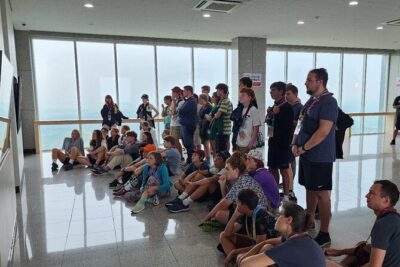
Best DMZ Tour Korea from Seoul (Red Suspension Bridge Optional)
Read our review →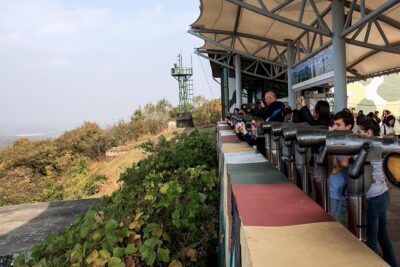
DMZ Tour: 3rd Tunnel, Option(Suspension Bridge, Boat) from Seoul
Read our review →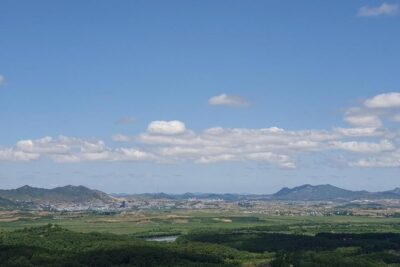
DMZ tour south Korea from Seoul (NK experience hall, defector)
Read our review →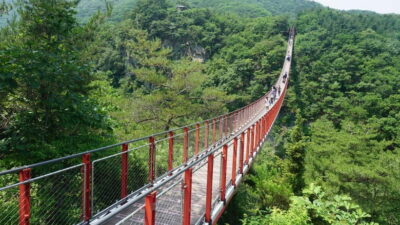

Signature DMZ Tour: Exclusive Defector Talk & Suspension Bridge
Read our review →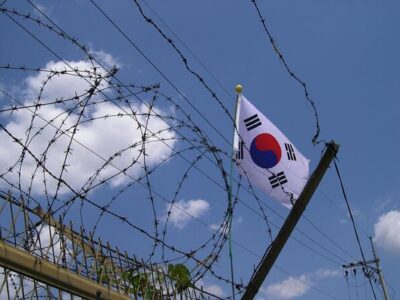
Thrilling Korean DMZ 3rd Tunnel Tour from Seoul + Red Bridge Rush
Read our review →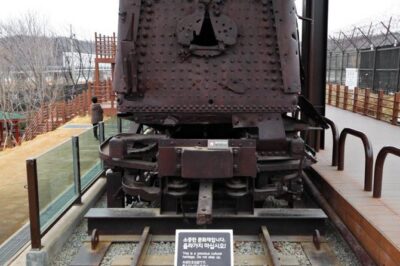
DMZ Past and Present: Korean Demilitarized Zone Tour from Seoul
Read our review →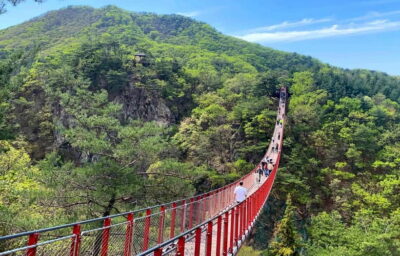
DMZ; NK Defector, 3rd Tunnel, Suspension Bridge,Hotel pickup
Read our review →Browse the lists this tour appears in