
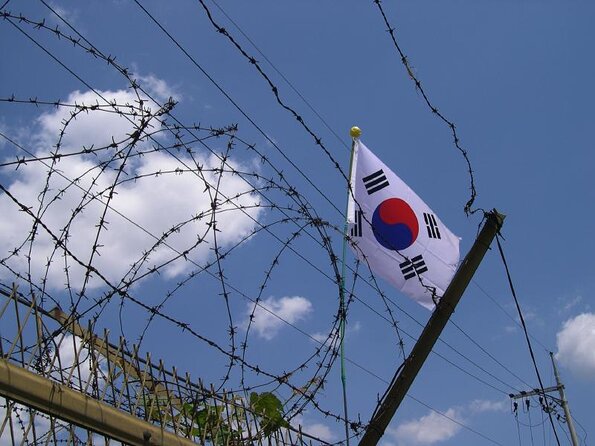
Reviewed · DMZ TOURS
Thrilling Korean DMZ 3rd Tunnel Tour from Seoul + Red Bridge Rush
The most startling part of this day trip is the Third Tunnel, a passage dug beneath the border and discovered in 1978. You walk down a steep slope, then enter a low tunnel where the divided peninsula feels less like a map and more like a place with very real consequences.
I like two things about this tour: the guide gives the history and context that are hard to get on your own, and the route pairs solemn memorials with the close-up experience of the tunnel. At $35, transportation and admission make it an appealing way to see several DMZ sites in one day.
The trade-off is a brisk schedule with little room to linger, plus a physically demanding tunnel walk and, on some versions, a steep climb to the Red Bridge. Military restrictions or weather can also change the plan, so keep your expectations flexible.
At a glance
- The Third Tunnel is the physical test: Expect a steep descent and a low passage. The return route is uphill.
- Imjingak gives the visit its human scale: The Freedom Train, Bridge of Freedom and Mangbaedan memorial connect the border to families and prisoners affected by division.
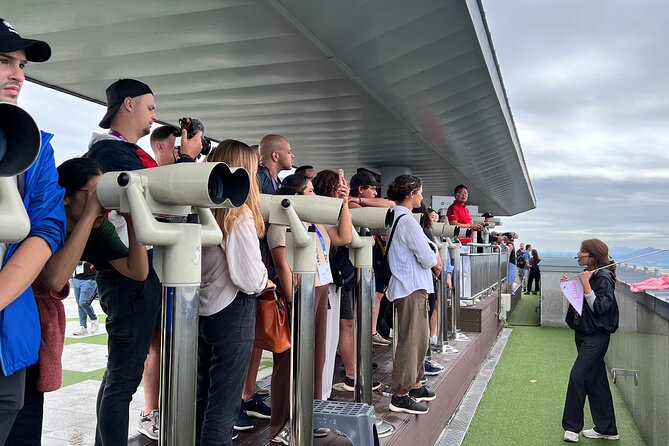
- Dora Observatory offers a distant view: Binoculars can help, and photography toward North Korea may be restricted.
- The Red Bridge is an optional extra: The 150-meter suspension bridge comes with a steep uphill walk and a limited time window.
- Bring your passport and snacks: You need identification for access, and lunch is not included.
- Plan for a large group: The tour can have up to 150 people, with pickup and drop-off arrangements that vary by location.
The DMZ is more than a border photo
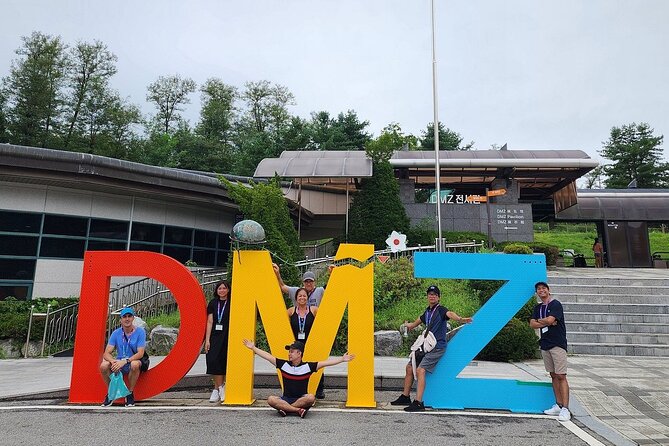
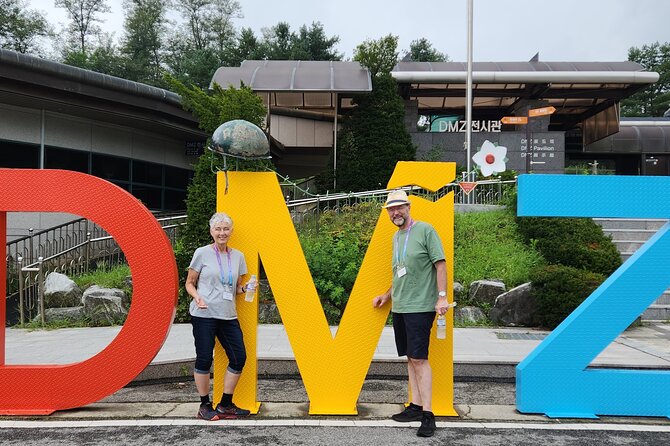
The Demilitarized Zone is a four-kilometer-wide strip separating North and South Korea, established after the 1953 armistice. A guided visit helps explain how this divided area works and why military rules can affect the day’s route. You are not simply heading to a viewpoint; you are entering a controlled area where access and timing depend on official conditions.
The guide is a major part of the experience. The tour runs in English or Chinese, and many guides are praised for explaining the history clearly, keeping the group moving and making the bus journey engaging. Names that have been singled out include Nancy, Judy, Crystal, Kelly, Henry, Sunny, Lina and Yu Jin. Guides change, of course, but strong storytelling is one of the experience’s clearest strengths.
That context matters because several stops are memorials rather than conventional sightseeing attractions. Your guide can link what you see to the division of Korea, the war and the families still separated by the border. Bring questions. There is time to ask them, though the overall schedule is full.
More DMZ tours from Seoul:
- Best DMZ Tour Korea from Seoul (Red Suspension Bridge Optional)
★ 5.0 · 41,422 reviews - DMZ Tour: 3rd Tunnel, Option(Suspension Bridge, Boat) from Seoul
★ 5.0 · 21,373 reviews - DMZ tour south Korea from Seoul (NK experience hall, defector)
★ 5.0 · 20,599 reviews
Imjingak: memorials before the checkpoint
Imjingak Pyeonghwa-Nuri Park is a fitting first major stop. Built in 1972 for people separated by Korea’s division, it brings together public memorials and reminders of the war. The bullet-scarred Freedom Train is a particularly direct sight: a damaged rail relic that makes the cost of the conflict visible without much explanation.
Nearby, the Bridge of Freedom recalls the return of 12,773 prisoners of war to South Korea in 1953. The wooden crossing was temporary, but its name and purpose give it lasting weight. You have about 10 minutes here, so take in the setting and listen closely rather than expecting a long, unhurried visit.
Mangbaedan Memorial Altar offers a quieter pause. Families gather here to honor relatives they cannot reach in North Korea, especially during lunar holidays. The Peace Bell, a 21-ton bronze bell created in 2002, adds another symbol of hoped-for reunification. These stops can feel brief, but together they help make the day about people, not just military boundaries.
Before entry to the controlled area, the group makes a short stop at Imjingak Resort while the guide handles clearance and tickets for the Unification Bridge. This is practical rather than scenic, and it can feel like a pause in the flow. It is also a reminder that the DMZ is an operating security zone, not a site where every minute can be planned like a museum visit.
The Third Tunnel: a steep walk underground
The Third Tunnel of Aggression was discovered in 1978. It is 1,635 meters long, though the visitor experience is a walk through an accessible section, not the full tunnel. The descent is steep, and the tunnel itself is low enough that many people will need to bend their heads and shoulders.
The walk has been described as roughly 250 meters down a slope, followed by about 250 meters through a passage around five feet high, then the same route back. That makes the tunnel the day’s clearest physical challenge. The return climb can be tough, particularly if you have mobility limits or do not do well with steep gradients and confined spaces.
There is no photography inside the tunnel. The restriction is understandable in a sensitive military area, but it means you will need to remember the experience rather than document it. Wear comfortable shoes, keep your hands free and do not treat this as a casual stroll. If the tunnel sounds like more than you want to take on, consider that before booking.
Dora Observatory: a far-off view north
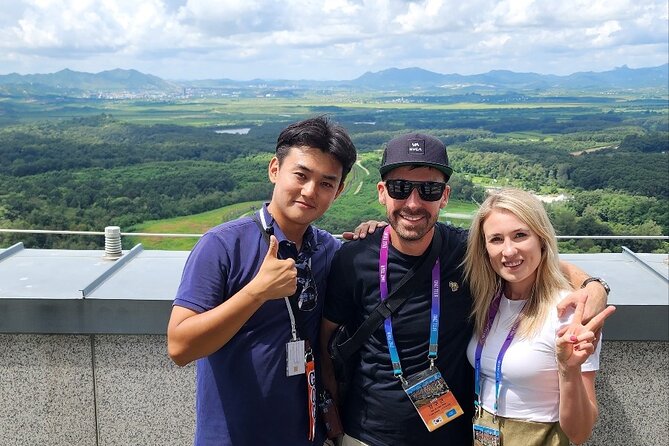
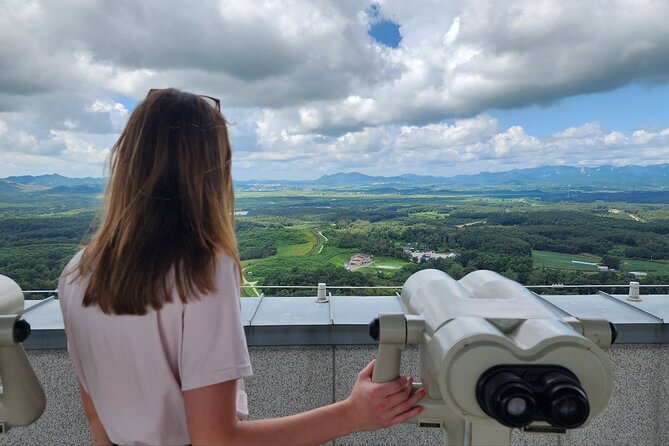
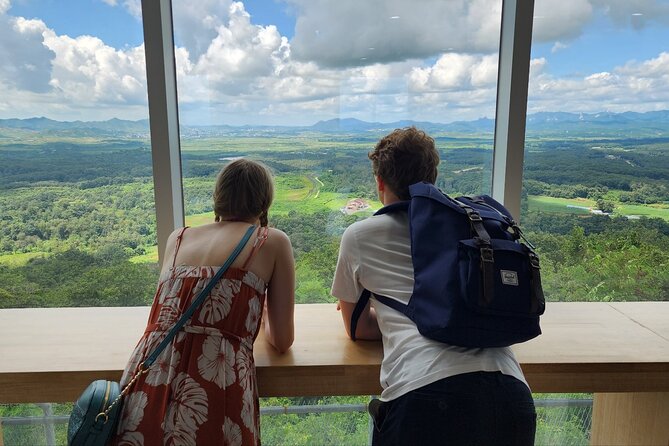
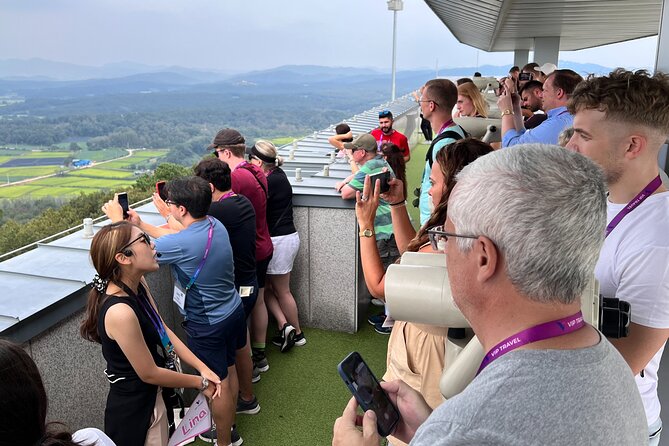
At Dora Observatory, you look across the border toward North Korea from one of South Korea’s closest public viewpoints. The observatory was rebuilt in 2018, and the stop gives you time to take in the view and use the viewing equipment. On clear days, the sight can be compelling, but North Korea remains distant, not close enough for an intimate look.
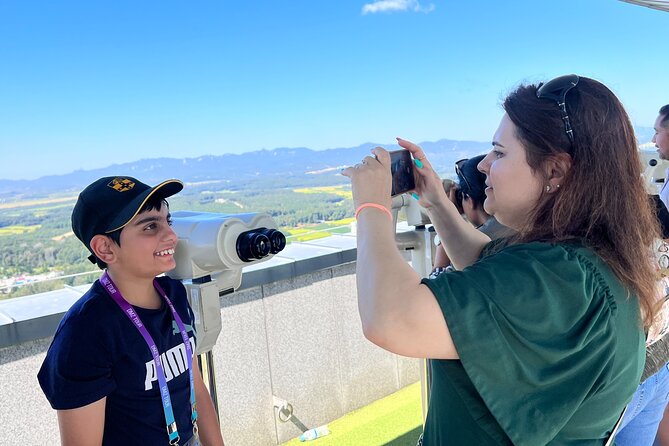
Bring binoculars if you have them. They can make the far side easier to inspect, although they cannot guarantee a clear view in poor weather. Photography toward North Korea may be prohibited, so follow your guide’s directions and posted rules rather than assuming you can take pictures from every platform.
The observatory is a strong contrast with the tunnel. Underground, you are close to a hidden route beneath the border; here, you see across it from a distance. Neither stop gives you access to North Korea, and the tour does not approach the border in the way some first-time visitors may imagine. The value lies in understanding the geography and restrictions, not in expecting a dramatic face-to-face encounter.
More Seoul tours and experiences:
- Seoul: DMZ Tour with Optional Suspension Bridge
★ 4.8 · 5,277 reviews - Signature DMZ Tour: Exclusive Defector Talk & Suspension Bridge
★ 5.0 · 4,459 reviews - DMZ Past and Present: Korean Demilitarized Zone Tour from Seoul
★ 5.0 · 2,481 reviews - Ultimate Korea DMZ Tour from Seoul (Gondola & Suspension Bridge)
★ 5.0 · 2,396 reviews
Optional stops: gondola and Red Bridge
The Paju Imjingak Peace Gondola, opened in 2020, crosses above the Imjin River and enters the Civilian Control Zone. The ride offers a different angle on the area and can be a welcome change after the memorials and tunnel. It is listed as an optional stop of about an hour, so check what your selected tour includes and how the day’s schedule handles it.
The Gamaksan Suspension Bridge, also called the Gloucester Heroes Bridge, is another optional stop. Built in 2018 to honor Korean War sacrifices, it stretches 150 meters and is about 1.5 meters wide. The bridge itself is the easy-to-understand reward; getting to it is the catch.
The climb to the Red Bridge has been described as steep and demanding, with limited time to reach the top. This is not a gentle stroll from the bus. If you have knee, balance or stamina concerns, ask about the walk before setting out, and do not let the name Red Bridge Rush make you underestimate the hill. The listed stop lasts about an hour, but that time also has to cover the approach and return.
Tongilchon and the pace of the day
Tongilchon Jangdankong Maeul, or Unification Village, sits beyond the Civilian Control Line. The area is known for its Jangdan soybeans, grown in the region’s relatively unspoiled surroundings. The stop is scheduled for about 30 minutes, so think of it as a short visit rather than time for a deep exploration of village life.
There has been a report of time spent in a shop here, despite expectations of a no-shopping tour. If you prefer not to buy anything, you can simply keep the stop brief and use your time as you wish. Still, it is sensible to ask the operator what the village stop involves if avoiding retail stops is important to you.
The day lasts about 7.5 hours, and the schedule can be affected by military issues or events in the DMZ. Bad weather has also led to changes, including cases where the planned DMZ visit could not proceed. The route may not unfold exactly as expected, so treat the schedule as a framework rather than a promise that every stop will happen in a fixed order.
What $35 covers, and what it does not
At $35 per person, the price is attractive for a full-day outing that includes transportation, a professional guide, admission to the listed attractions, and taxes and fees. The value is especially clear if you want the DMZ explained as you go. The access rules and site locations make independent planning less straightforward, and the guide helps connect the stops.
Pickup is available from downtown hotels or main subway stations. Listed meeting points include Myeongdong Station Exit 9, City Hall Station Exit 6 and Hongdae Station Exit 3. Meeting times can differ by pickup point, so confirm your exact location and time rather than relying on a general start time.
There is no hotel drop-off at the end. You can get off in Hongdae, near City Hall or in Myeongdong, which are useful central areas but may not be closest to your hotel. The group may have as many as 150 people, so the trip can feel more like a large coach excursion than a small-group visit. A few people have also reported confusion over bus identification or pickup arrangements. Save the operator’s instructions and arrive at the confirmed spot early.
Lunch is not included, and there is no dedicated meal stop. Food may be available at stops, but the day can move quickly. Pack a snack and water so you are not relying on a short break to find a full meal. Bring your passport on tour day; military ID cards and locally issued ARC cards are also accepted.
Who should book this tour?
Book it if you want a guided introduction to the DMZ, value having transport arranged from Seoul, and are comfortable with a full schedule. The combination of memorials, tunnel and observatory gives you several ways to understand the division, while the guide provides the background that can make the places more meaningful.
It is less suitable if you need a slow pace, want a small group, have trouble with steep slopes or confined spaces, or expect a close-up view of North Korea. The tunnel demands effort, the observatory view is distant, and the Red Bridge may mean a steep climb. At this price, the tour offers good value for a broad, guided day, as long as you are prepared for its physical demands and possible schedule changes.
FAQ
How long does the tour last?
The tour lasts about 7 hours and 30 minutes. The schedule can change because of military issues or events in the DMZ.
What identification do I need?
Bring your passport on the tour day. Military ID cards and locally issued ARC cards are also accepted.
Where can I meet the tour?
Pickup is available from downtown hotels or main subway stations. The listed meeting points are Myeongdong Subway Station Exit 9, Seoul City Hall Subway Station Exit 6 and Hongdae Subway Station Exit 3. Your meeting time can vary by location.
Is hotel drop-off included?
No. At the end of the tour, you can get off in Hongdae, at City Hall or in Myeongdong.
What languages does the guide speak?
The professional guide is available in English or Chinese.
Is lunch included?
No. Lunch is not included, and there is no dedicated meal stop. Bring a snack in case the schedule leaves little time to find food.
Is the Third Tunnel difficult to walk?
It can be strenuous. The walk involves a steep descent, a low tunnel passage and the same route back uphill.
Can I take photos inside the tunnel?
No. Photography inside the tunnel is not permitted. Photography toward North Korea from the observatory may also be restricted.
Can the DMZ schedule change because of weather or military conditions?
Yes. Tour times and stops can change because of military issues or events in the DMZ, and bad weather can affect the planned visit.
Latest reviews from Seoul
- From Seoul: Hwacheon Ice Fishing and Lighting Festival Tour★ 4.5 · 4 reviews
- Unique Native Experience : Han River Picnic, Board game, BBQ★ 5.0 · 3 reviews
- You’re Invited to Our Home in Seoul: The Only Cooking Class!★ 5.0 · 8 reviews
- Seoul: Gangneung BTS K-Pop & K-Drama Filming Locations Tour★ 4.6 · 14 reviews
- Yun Korean Cooking Class in Seoul★ 5.0 · 6 reviews
- 2-Hour Private Kayaking and Paddleboarding Experience in Hanriver★ 5.0 · 3 reviews
- Day Trip to Yongin Daejanggeum and Korean Folk Village from Seoul★ 4.0 · 9 reviews
- K-Pop Making Class with a Producer!★ 5.0 · 3 reviews
DMZ Tours, compared.
Best DMZ Tour Korea from Seoul (Red Suspension Bridge Optional)
Read our review →
DMZ Tour: 3rd Tunnel, Option(Suspension Bridge, Boat) from Seoul
Read our review →
DMZ tour south Korea from Seoul (NK experience hall, defector)
Read our review →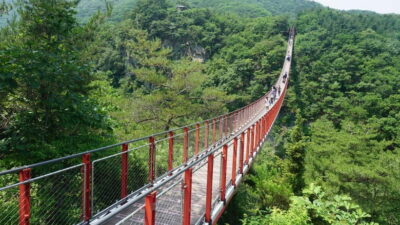

Signature DMZ Tour: Exclusive Defector Talk & Suspension Bridge
Read our review →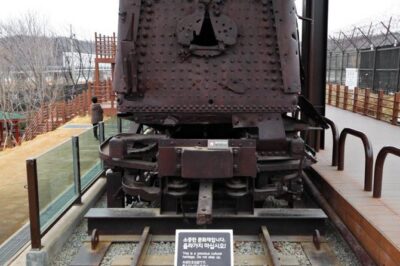
DMZ Past and Present: Korean Demilitarized Zone Tour from Seoul
Read our review →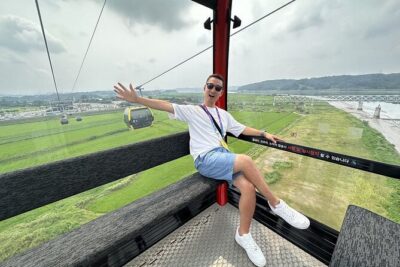
Ultimate Korea DMZ Tour from Seoul (Gondola & Suspension Bridge)
Read our review →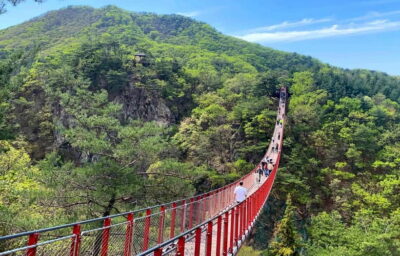
DMZ; NK Defector, 3rd Tunnel, Suspension Bridge,Hotel pickup
Read our review →Browse the lists this tour appears in