Reviewed · SEOUL TOURS
Seoul: Gangnam Tour on Youth and Society in South Korea
Gangnam’s luxury is only half the story. On this walk, the designer shops and plastic surgery ads become clues to bigger questions about beauty, education, work, and the pressures facing young Koreans. You finish by the Han River with a more complicated picture of the neighborhood than its polished image suggests.
I like two things especially: the tour uses ordinary street scenes to explain social pressures, and its guides, including Jessica and June, bring history and personal experience to the conversation. At $33, that is a useful way to make sense of a place that can otherwise feel like a parade of high-rise buildings and brand names.
One consideration: the subject matter includes suicide, low birth rates, and demanding social expectations. It is frank rather than a lighthearted sightseeing stroll, and the walk is listed as unsuitable for people over 70 and people with mobility impairments. The planned duration is 150 minutes, though one guest described a tour lasting about three hours.
What to know before you go
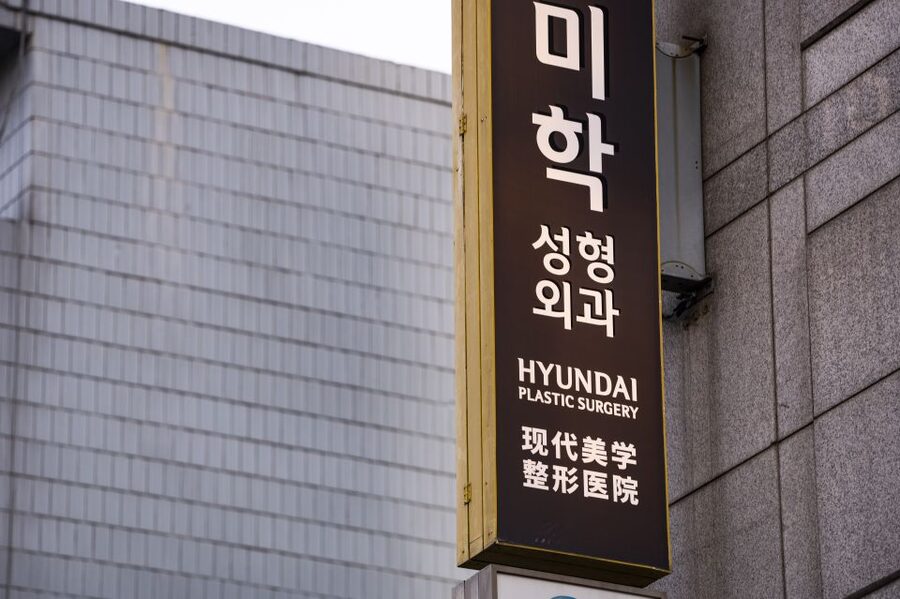
- Gangnam’s beauty ads are part of the lesson: Clinics, cosmetics, and luxury brands help introduce conversations about appearance and social expectations.
- The route ends at the Han River: You walk from Gangnam Station through streets lined by high-rises, then finish near the river.
- Expect social context, not a list of landmarks: The guide links present-day life to Korean history, education, housing, careers, dating, marriage, and family.
- The guide shapes the experience: Jessica and guides named June or Jun are praised for clear English, vivid storytelling, humor, and thoughtful answers.
- Bring cash and budget for transport: The listed transportation fee is 2,000 KRW. An optional Korean food session is not included.
- Dress for the weather: A handsfree fan is provided in summer, and hot packs in winter. You should still bring water in hot weather.
Gangnam Station sets the scene
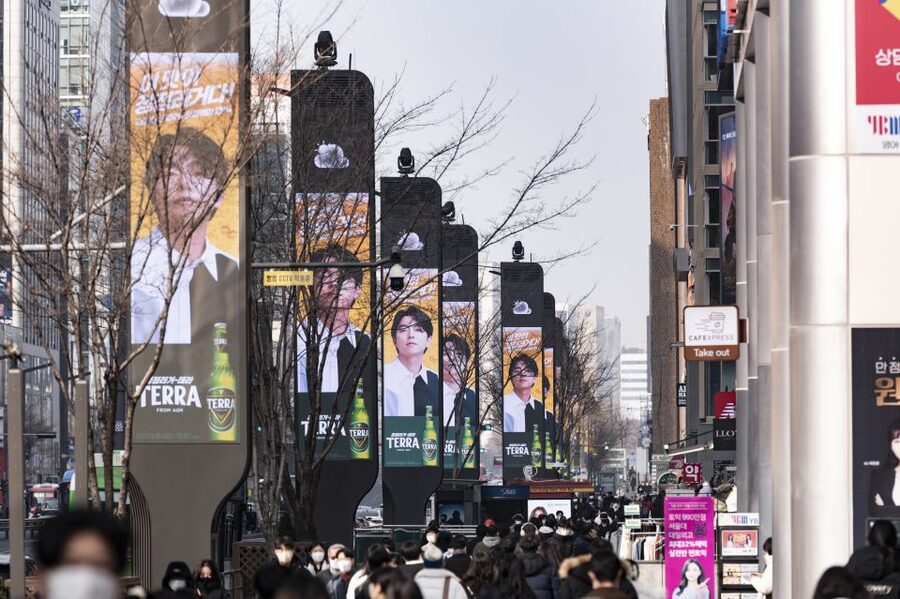
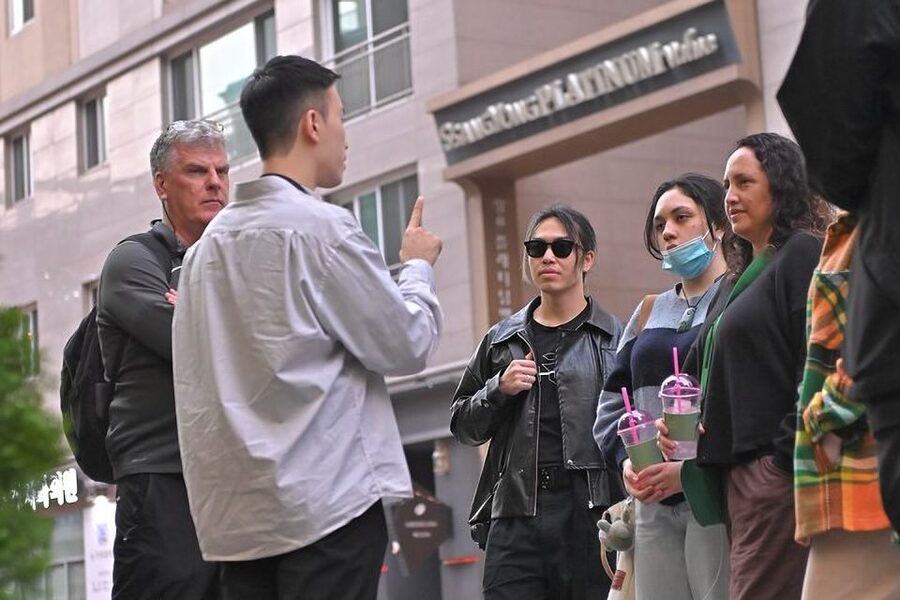
Meet your guide at Gangnam Station, Exit 11, at the listed address of 820-10, Yeoksam-dong, Gangnam-gu. The station places you right in the district the tour is here to explain: a wealthy, fast-moving part of Seoul where the built environment itself offers plenty to discuss.
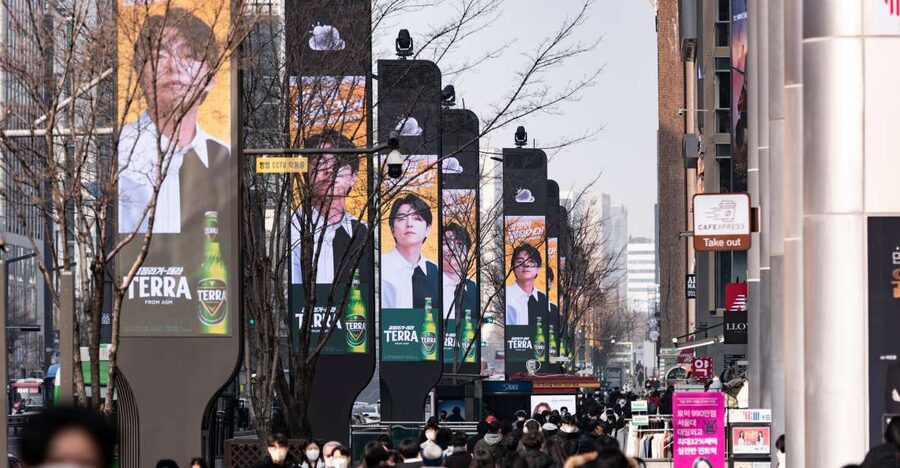
The walk starts among high-rise buildings and busy streets. Rather than treating Gangnam’s luxury as a simple spectacle, the guide uses what you see to open up questions about why people aspire to live here and what success is expected to look like. That shift in perspective is the heart of the outing. You are not just looking at expensive storefronts; you are considering what they say about status, opportunity, and pressure.
The group moves on foot, so comfortable shoes are a sensible choice. The route is described as a walk through streets toward the Han River, with some reviews noting flat ground and a few steps associated with getting on or off the subway. Still, the activity is formally marked as unsuitable for people with mobility impairments and people over 70, so check the route requirements carefully if walking or steps are a concern.
More Seoul tours and experiences:
- Best DMZ Tour Korea from Seoul (Red Suspension Bridge Optional)
★ 5.0 · 41,422 reviews - DMZ Tour: 3rd Tunnel, Option(Suspension Bridge, Boat) from Seoul
★ 5.0 · 21,373 reviews - DMZ tour south Korea from Seoul (NK experience hall, defector)
★ 5.0 · 20,599 reviews
Beauty clinics turn into a social lesson
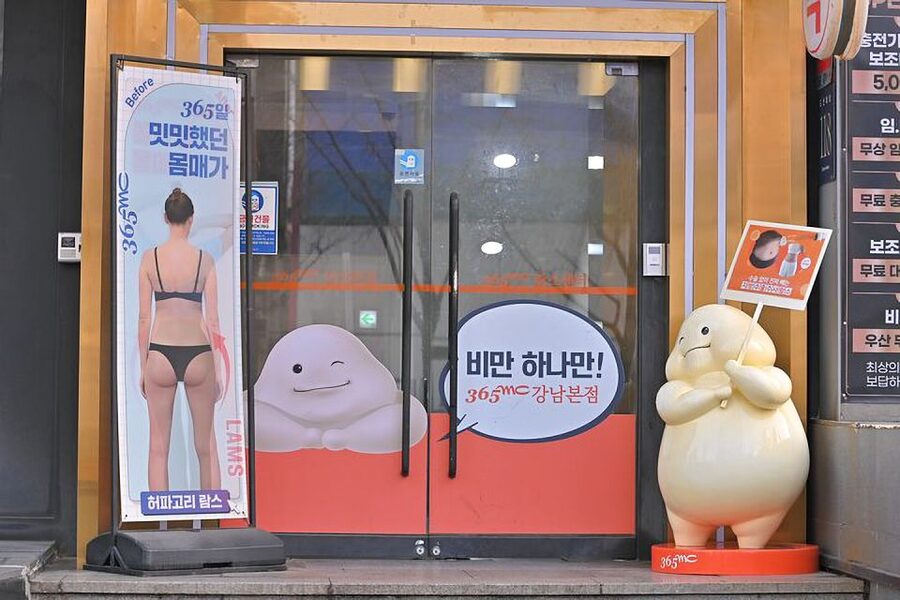
Gangnam’s beauty advertising is hard to miss. Clinic signs and product promotions make a vivid backdrop for discussion of Korea’s beauty standards and the country’s plastic surgery boom. The point is not to gawp at clinics or reduce Korean life to cosmetic procedures. It is to understand how appearance can become tied to social expectations and personal choices.
This part of the tour is especially useful if you have seen Korean beauty culture through pop music, television, or skincare marketing alone. The guide connects the polished public image to the pressures that can sit behind it. Expect a candid conversation, not a sales pitch or a clinic visit.
The walk also touches on relationships, dating, marriage, and family. These topics help explain how personal decisions can be shaped by wider expectations. You can ask questions as the group goes, and the guides are repeatedly praised for making room for discussion rather than delivering a rigid speech.
Education, work, and the cost of achievement
The tour’s central question is how young Koreans live with the demands of a society that has achieved great economic success and gained global attention through pop culture. Education is one key part of that story. The guide explains the pressure placed on children and parents, then connects it to larger concerns about work, careers, and what counts as a successful life.
This context makes Gangnam’s prosperity feel less like a simple sign of comfort. You begin to see how ambition and opportunity can come with strain, and why the country’s international success does not automatically mean people feel content. The tour raises difficult subjects, including South Korea’s high suicide rates and low birth rate, while asking why a wealthy country can also be described as one of the unhappiest.
These are serious themes, so this is not the best choice if you want an easygoing walk focused only on architecture or shopping. But if you want to understand the social forces behind the headlines, the guide’s explanations can help connect statistics and public images to everyday decisions.
A walk that makes street details matter

As you continue through Gangnam’s high-rise streets, the signs and buildings become prompts for the conversation. A beauty advertisement can lead to a discussion about appearance; a luxury brand can bring up status and aspiration. The walk’s strength is this close link between what you see and the larger subject at hand.
There is no long list of named monuments in the route description. That is worth knowing if you are expecting a conventional sightseeing tour with frequent photo stops. The value is interpretive: your guide gives you a framework for reading a neighborhood that might otherwise seem like a collection of commercial signs and impressive buildings.
The format also leaves room for questions. Guides Jessica and June are often singled out for clear, engaging delivery, and one guide is described as having a historian’s perspective. Jessica’s experience living abroad and returning to Seoul has offered some groups a useful view from both inside and outside Korean society. June and Jun are also named in strong accounts of the tour, so the individual guide may vary.
Fancy a different kind of day?
- Seoul: DMZ Tour with Optional Suspension Bridge
★ 4.8 · 5,277 reviews - Signature DMZ Tour: Exclusive Defector Talk & Suspension Bridge
★ 5.0 · 4,459 reviews - Thrilling Korean DMZ 3rd Tunnel Tour from Seoul + Red Bridge Rush
★ 5.0 · 3,097 reviews - DMZ Past and Present: Korean Demilitarized Zone Tour from Seoul
★ 5.0 · 2,481 reviews
The Han River gives the walk a change of pace
The route finishes at the Han River, a quieter end point after the streets of Gangnam. It gives the walk a natural place to pause and reflect on the topics raised along the way. The contrast between the district’s display of wealth and the social pressures discussed during the tour is part of what makes the route feel coherent.
The exact stops and timing are not specified, so do not expect a fixed series of attractions beyond the described walk through Gangnam toward the river. The tour is listed at 150 minutes, or two and a half hours. One participant described a session closer to three hours, so leave a little breathing room if you have a tight schedule afterward.
The tour is in English. Several accounts describe the guides as easy to understand and attentive to questions, and some mention audio equipment that helped the group hear clearly. That can matter on crowded streets, though equipment is not listed as a standard inclusion.
What $33 buys you
At $33 per person, you are paying for a guided interpretation of modern Korean society, not admission to a major attraction. The price includes a local historian as your guide and the Gangnam walking tour. In summer, a portable handsfree fan is provided; in winter, hot packs are included.
The value depends on your curiosity. If you are mainly after shopping, skyline views, or a quick photo tour, you may get more from exploring the neighborhood on your own. But if you want a sharper understanding of Korean education, work, beauty standards, relationships, and youth culture, the guide’s context can make the price worthwhile.
Allow for the listed 2,000 KRW transportation fee, which is not included. There is also an optional Korean food session at extra cost. The details and price for that session are not specified, so ask before you count it into your budget. Bring cash, as requested.
Who will get the most from this tour
I would put this near the start of a Seoul visit if you want a social and cultural frame for the rest of your time in the city. It can help you notice connections between everyday scenes and the broader pressures shaping life in Korea. Some people also choose it later in their stay, when they have questions from what they have already seen.
It suits curious visitors who enjoy conversation and are comfortable hearing about difficult subjects. The guide’s mix of historical background, current social issues, and personal examples is a better fit for people who want more than a surface introduction to Gangnam. Teenagers may find the topics engaging, too; one family reported that their teenage daughter enjoyed the tour.
It is less suitable if you want a short, purely visual walk, prefer to avoid topics such as suicide and social pressure, or have difficulty walking. The formal guidance says it is not suitable for people over 70 or those with mobility impairments. One account described the terrain as manageable for people aged 70, but that does not override the stated suitability warning, so contact the provider if you are unsure.
Practical details for a smoother walk
Check the available start time when booking, and arrive at Gangnam Station Exit 11. Bring cash for the transportation fee and optional food session. Audio recording is not allowed.
Weather can make a two-and-a-half-hour walk feel longer. The provider supplies a fan in summer and hot packs in winter, but bring water in hot or humid conditions. Wear shoes you are comfortable walking in, and avoid scheduling a tight appointment immediately afterward in case the tour runs long.
The activity offers free cancellation up to 24 hours in advance for a full refund, and a reserve-now, pay-later option is available. These terms can make planning easier if your Seoul schedule is still taking shape.
Should you book the Gangnam youth and society tour?
Book it if you want to understand the people and pressures behind Gangnam’s luxury image. The strongest reason to go is the way the guide connects street-level details with bigger issues, from beauty and education to work, relationships, and the country’s low birth rate. The $33 price is fair for a focused, English-language discussion that gives the neighborhood more meaning.
Skip it if your priority is shopping, landmark-hopping, or a light walk without serious social themes. If you do book, go with questions, bring cash, and leave time after the tour. It is most rewarding when you are ready to look past the polished signs and think about what they represent.
FAQ
How long is the Gangnam tour?
The scheduled duration is 150 minutes, or two and a half hours. Allow some extra time, as one tour was described as lasting about three hours.
Where does the tour meet?
Meet the guide at Gangnam Station, Exit 11. The English address provided is 820-10, Yeoksam-dong, Gangnam-gu, Seoul.
What language is the tour in?
The live tour guide speaks English.
What does the tour cost?
The listed price is $33 per person. A transportation fee of 2,000 KRW and an optional Korean food session are not included.
What topics does the walk cover?
The guide discusses Korean history and society, youth culture, beauty standards and plastic surgery, education pressure, work, relationships, family, suicide rates, and the low birth rate.
What should I bring?
Bring cash. Water is also a practical choice in hot or humid weather.
Is audio recording allowed?
No. Audio recording is not allowed.
Is the tour suitable for people with mobility impairments?
The activity is listed as unsuitable for people with mobility impairments and people over 70. The walk includes some steps associated with getting on or off the subway, so check with the provider if you have concerns about the route.
Latest reviews from Seoul
- From Seoul: Hwacheon Ice Fishing and Lighting Festival Tour★ 4.5 · 4 reviews
- Unique Native Experience : Han River Picnic, Board game, BBQ★ 5.0 · 3 reviews
- You’re Invited to Our Home in Seoul: The Only Cooking Class!★ 5.0 · 8 reviews
- Seoul: Gangneung BTS K-Pop & K-Drama Filming Locations Tour★ 4.6 · 14 reviews
- Yun Korean Cooking Class in Seoul★ 5.0 · 6 reviews
- 2-Hour Private Kayaking and Paddleboarding Experience in Hanriver★ 5.0 · 3 reviews
- Day Trip to Yongin Daejanggeum and Korean Folk Village from Seoul★ 4.0 · 9 reviews
- K-Pop Making Class with a Producer!★ 5.0 · 3 reviews
Seoul Tours, compared.
Best DMZ Tour Korea from Seoul (Red Suspension Bridge Optional)
Read our review →
DMZ Tour: 3rd Tunnel, Option(Suspension Bridge, Boat) from Seoul
Read our review →
DMZ tour south Korea from Seoul (NK experience hall, defector)
Read our review →

Signature DMZ Tour: Exclusive Defector Talk & Suspension Bridge
Read our review →
Thrilling Korean DMZ 3rd Tunnel Tour from Seoul + Red Bridge Rush
Read our review →
DMZ Past and Present: Korean Demilitarized Zone Tour from Seoul
Read our review →