Reviewed · SEOUL TOURS
Discover Round Korea in 7days: All-Inclusive Experience
In seven days, this trip links royal tombs, a Buddhist temple tea conversation, green tea fields, Busan’s fish market and Seoraksan’s mountain scenery. It is a broad, guided circuit through Korean history and everyday culture, with hotels, meals and site admissions handled along the way.
I like two things in particular: the varied experiences, from wearing hanbok in Jeonju to making Korean traditional desserts in Andong, and the straightforward pricing, which covers six hotel nights, most meals and entrance fees. The route also includes places that can take extra planning to connect on your own.
The trade-off is the pace. You change regions and visit several sites most days, so this suits you if you enjoy a full schedule and can manage moderate physical activity. The first-day pickup and final-day drop-off are not included, and personal extras are yours to pay for.
At a glance: a seven-day route across Korea
- Royal sites in Gongju: Visit Gongsanseong Fortress, King Muryeong’s tomb and the Gongju National Museum.
- Hands-on culture: Wear hanbok in Jeonju and make traditional Korean desserts in Andong.
- Time for quiet: A tea conversation with a Buddhist monk at Baekyangsa Temple offers a change of pace.
- Coast and countryside: The route takes in Boseong’s tea fields, Suncheon Bay Wetland Reserve and Busan’s seafront.
- History in Gyeongju: Explore Bulguksa Temple, royal burial mounds, the National Museum and Cheomseongdae Observatory.
- Most trip costs are covered: Six nights’ accommodation, breakfast and dinner for six days, seven lunches and site admission are included.
What the all-inclusive format really covers
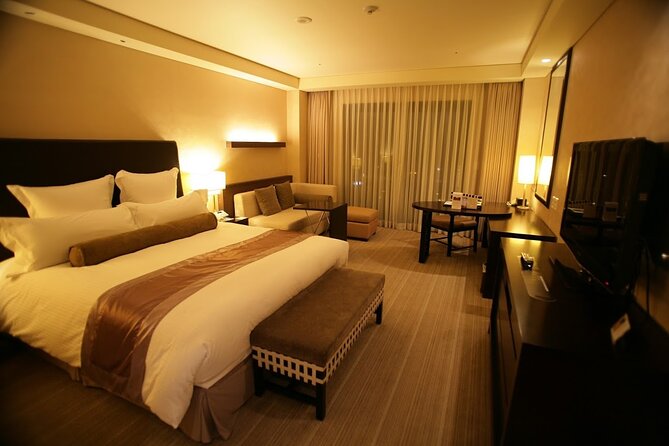
The $1,970 per-person price bundles a lot of the work involved in a multi-region trip. You get six nights in twin or double rooms, an air-conditioned vehicle, an English-speaking guide or driver-guide, and admission fees for the included sites. Meals add up to six breakfasts, seven lunches and six dinners. A welcome kit is also provided.
That package can be good value if you would otherwise arrange transport, lodging, meals and tickets separately. More important, it makes a route across several regions easier to follow: you do not have to build each transfer and admission into your own plan. Group discounts are listed as a feature, so check the booking details if you are traveling with others.
All-inclusive does not mean every expense is covered. Travel insurance, tips, drinks, laundry, phone charges and other personal expenses are excluded. Hotel pickup on the first day and drop-off on the last are also not included, so you need to reach the meeting point and make your own onward arrangements.
There are no shopping stops or optional add-on choices described for the program. That can appeal if you want the trip focused on sightseeing rather than retail stops, though you should not expect much freedom to reshape the daily route.
More week-long trips in Seoul:
Day 1: Gongju’s fortress, royal tomb and museum
The tour begins with a trip to Gongju, one of the former capitals of the Baekje kingdom. At Gongsanseong Fortress, you get an hour to see a historic fortification set on a hillside. It is a strong opening stop: the site gives you a sense of the region’s strategic past before you encounter its royal burial history.
Next comes the Songsan-ri Tombs and the Royal Tomb of King Muryeong. The tomb is known for its brick-built design, and its objects offer a close look at royal burial customs and the skill of Baekje craftspeople. An hour is enough for an introduction, though anyone who likes to linger over archaeological details may wish for more time.
The day ends at Gongju National Museum, which holds around 10,000 cultural objects. Artifacts from King Muryeong’s tomb, including gilt-bronze ornaments, help connect the tomb visit to the people and craftsmanship behind it. Three history-focused stops make this a substantial first day, especially if you are new to Korea’s early kingdoms.
Day 2: Hanok lanes and a temple tea conversation
In Jeonju, the day centers on Hanok Village, an area with more than 800 traditional Korean houses. You visit Gyeonggijeon Shrine, founded in 1410 and home to a portrait of King Tae-jo, founder of the Joseon Dynasty. The village’s traditional architecture gives you a different view of Korean history from the royal tombs and fortress of the previous day.
A hanbok experience at Hanboknam adds a practical, playful element. You have an hour for the experience and time in the village, which makes this a good chance to take photos and notice the details of traditional clothing. The schedule also lists Gyeonggijeon Shrine separately, so expect a dedicated shrine visit as well as time in the wider village.
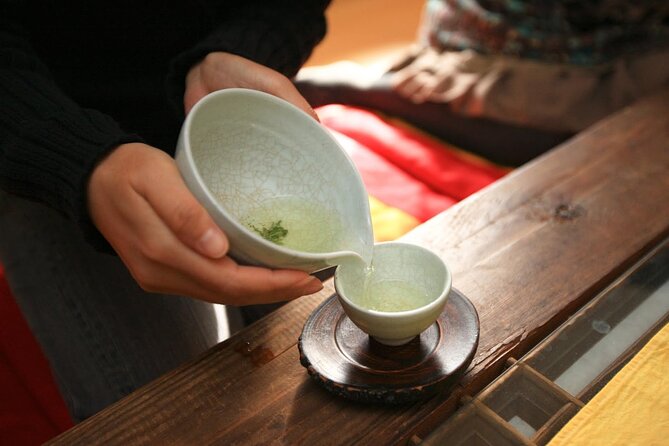
Later, Baekyangsa Temple offers a quieter change of scene. The two-hour stop includes a tea conversation with a Buddhist monk, an opportunity to pause and reflect rather than simply move from one landmark to the next. The temple is described as beautiful in every season, but the exact character of your visit will depend on when you go.
Day 3: Tea terraces and a coastal wetland
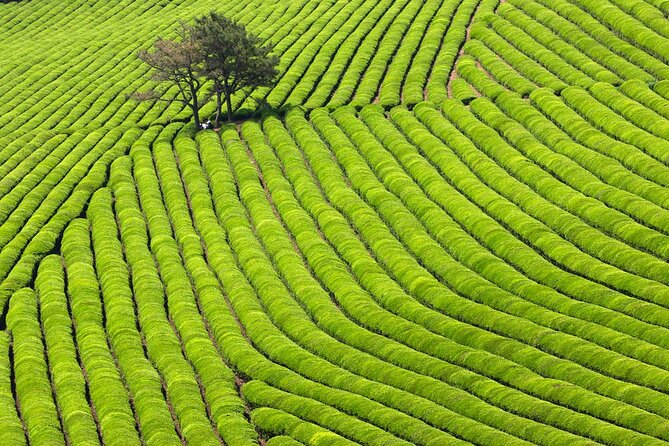
At Boseong’s Daehan Dawon, you spend two hours among Korea’s largest green tea fields. The terraced rows and changing views make this one of the more scenic stops on the route. It is also a useful shift from built heritage to agriculture and the everyday product of a region.
After lunch, the tour heads to Suncheon Bay Wetland Reserve for another two-hour visit. The reserve sits where river and sea meet and is noted for its coastal marshes and more than 250 species of wildlife. You will get a sense of Korea’s natural side, though the time available is a visit rather than a long, independent nature outing.
Together, these stops give the day a welcome open-air feel. If the weather is poor, the views and outdoor portions may be less appealing; the tour provider says the experience requires good weather and offers a different date or full refund if weather forces cancellation.
More Seoul tours and experiences:
- Best DMZ Tour Korea from Seoul (Red Suspension Bridge Optional)
★ 5.0 · 41,422 reviews - DMZ Tour: 3rd Tunnel, Option(Suspension Bridge, Boat) from Seoul
★ 5.0 · 21,373 reviews - DMZ tour south Korea from Seoul (NK experience hall, defector)
★ 5.0 · 20,599 reviews - Seoul: DMZ Tour with Optional Suspension Bridge
★ 4.8 · 5,277 reviews
Day 4: Busan’s memorial, fish market and coastline
The morning begins at the UN Memorial Cemetery, a quiet site honoring UN soldiers who died during the Korean War. Around 2,300 graves are arranged by nation. The hour here is a chance to approach a difficult chapter of modern Korean history in a place that invites a slower, more respectful visit.
Jagalchi Market brings a sharp change in mood. Busan’s best-known fish market is filled with seafood stalls and local specialties, and an hour gives you time to look around and get a feel for the city’s food culture. The tour includes lunch, but the details of where and what you eat are not specified, so do not assume lunch is at the market.
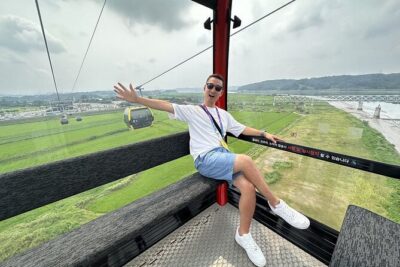
The day’s final highlight is the Songdo Sea Cable Car, which runs about 1.6 kilometers between Songdo Beach Station and Songdo Sky Park. The two-hour stop includes time for sweeping coastal views from above. It is one of the tour’s clearest scenic payoffs, balanced by the more serious and everyday encounters earlier in the day.
Day 5: From Busan to Silla-era Gyeongju
You start at Dongbaekseom Island and Nurimaru APEC House, the venue for the 2005 APEC Summit. The modern, glass-walled building offers a look at a very different side of Korea from the ancient sites that follow. The visit is listed as an hour.
Then you travel to Gyeongju, once the capital of the Silla kingdom for a thousand years. At Bulguksa Temple, a UNESCO World Heritage Site, you spend about an hour and a half. Its place in the region’s history makes it a natural anchor for the rest of the day.
Daereungwon Tomb Complex gives you an hour among large royal burial mounds, with the chance to learn about relics such as elaborate gold crowns. The Gyeongju National Museum follows with two hours to see major Silla objects and other artifacts from a millennium ago. For anyone drawn to the period, the museum time is generous compared with many of the tour’s shorter stops.
Cheomseongdae Observatory closes the day. This ancient astronomical structure is a familiar Gyeongju landmark, but the visit lasts only about 20 minutes. Treat it as a brief look and photo stop, not a long exploration.
Day 6: Traditional sweets and a living village
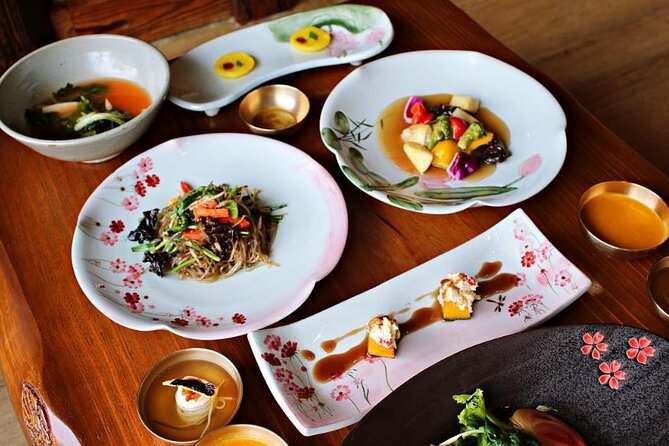
The day begins with a Korean traditional dessert-making activity at the Korean Traditional Culture Center. Expert instructors guide the 90-minute session, giving you a chance to make sweets rather than only read about food culture. This is among the itinerary’s most hands-on moments and a welcome change after several days of museums and historic sites.
Next, Andong Hahoe Folk Village offers two hours in a traditional settlement with more than 600 years of history. It is a UNESCO World Heritage Site and is described as a living cultural place. That distinction matters: you are visiting a village, not just a collection of old buildings, so approach it with an eye for how the place functions as well as how it looks.
The dessert activity and village visit make this a particularly strong day for travelers who want more than monuments. The schedule is still structured, however, so you should not expect a full day to wander independently.
Day 7: Seoraksan’s rock formations and mountain air
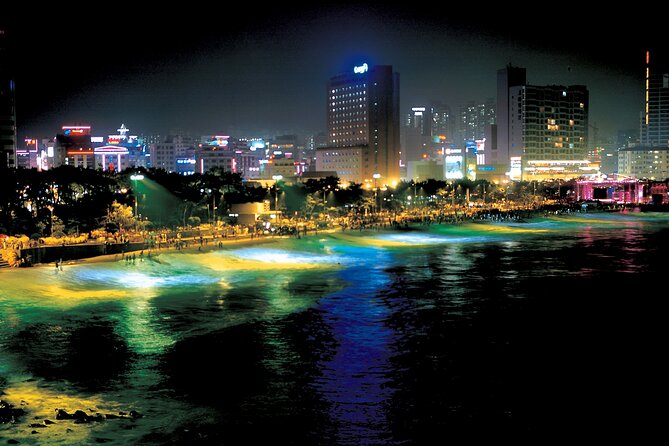
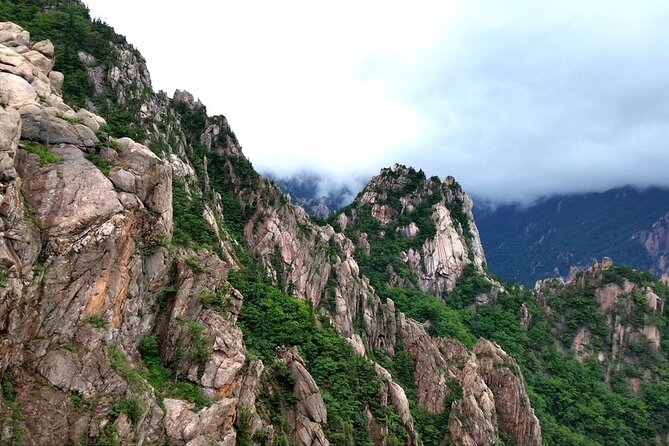
The final sightseeing stop is Jujeongol Valley in Seoraksan National Park. The two-hour visit features dramatic rock formations, high peaks and clear streams. After six days of cities, temples and museums, the mountain setting gives the trip a fitting outdoor finish.
The details do not specify the exact walking route or trail conditions. The stated requirement is moderate physical fitness, so this is not presented as a strenuous trek, but you should be comfortable with some outdoor activity. The tour ends back at the meeting point in Seoul, though your last-day hotel drop-off is not included.
Group size, guide and practical details
The maximum group size is 35, and the vehicle varies according to the group. That is large enough that you should expect a group-tour rhythm, rather than a private guide’s flexibility. An English-speaking guide or driver-guide is included. Jay is one guide associated with the trip; he was noted for being friendly and attentive while looking after a group of 16. Your own guide may differ.
The tour starts at 8:00 am at AMID Hotel Seoul, 38 Insadong 5-gil, Jongno District. The first-day hotel pickup is not included, so plan to arrive at the meeting point yourself. The activity is near public transportation, and the end point is listed as the same meeting point.
You should be comfortable with a fairly active schedule across seven days. Several stops involve walking around historic sites, villages, markets or outdoor areas, and the tour asks for moderate physical fitness. Specific accessibility details are not provided, so check with the operator before booking if you have mobility needs.
The tour is commonly booked well ahead, with an average booking lead time of 108 days. Confirmation is usually issued at booking, though bookings made within one day of travel are subject to availability and may be confirmed later.
Cancellation terms are time-sensitive. A full refund is available if you cancel at least six full days before the start; cancellations two to six full days ahead receive a 50% refund, and cancellations less than two full days ahead are nonrefundable. Changes inside those windows are not accepted. Weather-related cancellation offers a different date or a full refund.
Is this seven-day Korea tour a good fit?
I would consider this trip if you want to see several sides of Korea without arranging long-distance transport and lodging yourself. The mix is its strength: royal history in Gongju and Gyeongju, traditional architecture in Jeonju and Andong, a temple tea conversation, food activities, coast, wetlands and mountains. The package also takes much of the guesswork out of meals and admissions.
The $1,970 price makes the most sense if you value a guided route and expect to use the included hotels, meals, transport and site tickets. It is less compelling if you prefer to travel slowly, choose each meal and hotel yourself, or spend long stretches at a single place. The days are full, and the schedule offers limited room for detours.
If you want a broad introduction to Korea beyond Seoul, and you are happy to share the route with a group of up to 35, this is a practical way to cover a lot in one week. Book it for the range of places and the reduced planning burden, not for an unhurried pace. Before paying, confirm the meeting arrangements and consider the excluded first-day pickup, final-day drop-off, insurance and personal expenses.
FAQ
What is included in the tour price?
The tour includes six nights in twin or double rooms, an air-conditioned vehicle, an English-speaking guide or driver-guide, entrance fees, a welcome kit, seven lunches, six breakfasts and six dinners.
What is not included?
Travel insurance, tips, drinks, laundry, phone charges and other personal expenses are not included. Pickup on the first day and drop-off on the last day are also excluded.
Where does the tour start?
It starts at 8:00 am at AMID Hotel Seoul, 38 Insadong 5-gil, Jongno District, Seoul.
Where does the tour end?
The activity is listed as ending back at the meeting point. The final-day hotel drop-off is not included.
How long is the tour?
The tour lasts approximately seven days and includes six nights of accommodation.
What language does the guide speak?
The tour includes an English-speaking guide or driver-guide.
How large can the group be?
The maximum group size is 35 people. The vehicle used varies according to group size.
What meals are provided?
The package includes seven lunches, six breakfasts and six dinners.
What is the cancellation policy?
Cancel at least six full days before the start for a full refund. Cancellations two to six full days ahead receive a 50% refund, while cancellations less than two full days ahead are nonrefundable. If poor weather cancels the experience, you are offered a different date or a full refund.
Latest reviews from Seoul
- From Seoul: Hwacheon Ice Fishing and Lighting Festival Tour★ 4.5 · 4 reviews
- Unique Native Experience : Han River Picnic, Board game, BBQ★ 5.0 · 3 reviews
- You’re Invited to Our Home in Seoul: The Only Cooking Class!★ 5.0 · 8 reviews
- Seoul: Gangneung BTS K-Pop & K-Drama Filming Locations Tour★ 4.6 · 14 reviews
- Yun Korean Cooking Class in Seoul★ 5.0 · 6 reviews
- 2-Hour Private Kayaking and Paddleboarding Experience in Hanriver★ 5.0 · 3 reviews
- Day Trip to Yongin Daejanggeum and Korean Folk Village from Seoul★ 4.0 · 9 reviews
- K-Pop Making Class with a Producer!★ 5.0 · 3 reviews
Seoul Tours, compared.
Best DMZ Tour Korea from Seoul (Red Suspension Bridge Optional)
Read our review →
DMZ Tour: 3rd Tunnel, Option(Suspension Bridge, Boat) from Seoul
Read our review →
DMZ tour south Korea from Seoul (NK experience hall, defector)
Read our review →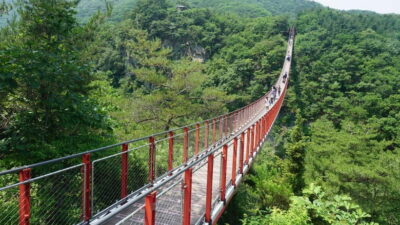
Signature DMZ Tour: Exclusive Defector Talk & Suspension Bridge
Read our review →
Thrilling Korean DMZ 3rd Tunnel Tour from Seoul + Red Bridge Rush
Read our review →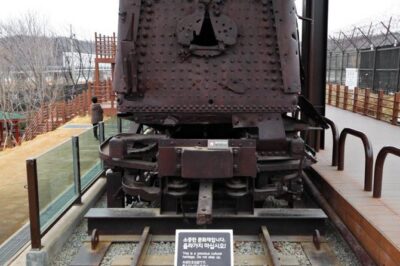
DMZ Past and Present: Korean Demilitarized Zone Tour from Seoul
Read our review →