Reviewed · SEOUL TOURS
Gwanghwamun Tour l 120 minutes to Understand Local Korean Society
At the heart of this tour is a useful question: how did Korea’s past shape the way people live today? Guide June links the royal center at Gwanghwamun with modern Seoul, North Korea, and everyday social customs, so you get more than a string of landmark facts.
I like two things in particular: the route joins very different parts of Seoul, from a central square to old lanes and a specialist university, and the discussion connects history with topics you may notice elsewhere, including work culture and coffee. One consideration: the walk is easy overall, but it includes a few uphill stretches, and two hours leaves little time to linger.
What to Know Before You Go
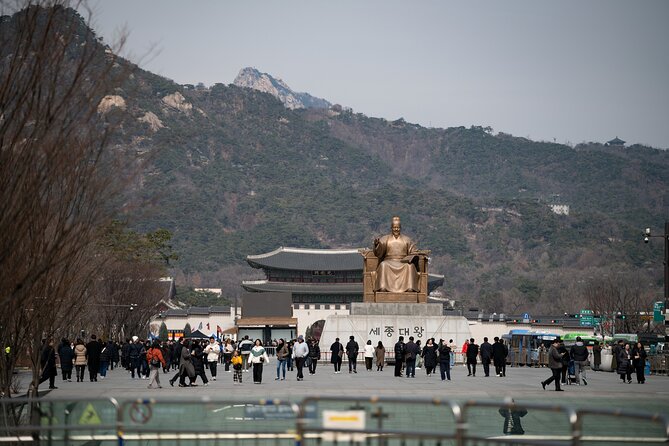
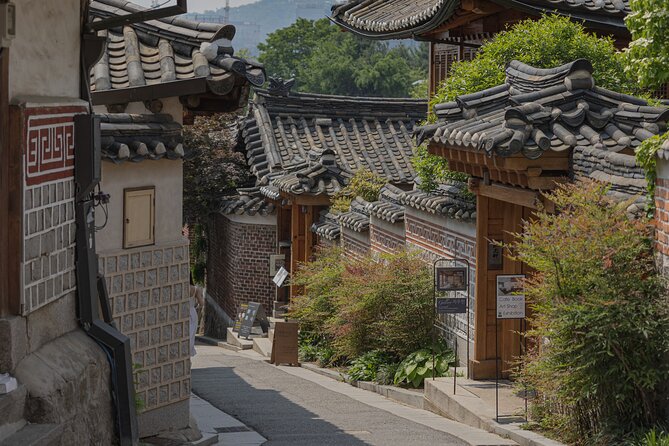
- A walk through five distinct stops: Gwanghwamun Square, the U.S. Embassy area, Samcheongdong-gil, Bukchon Hanok Village, and the University of North Korean Studies.
- History tied to daily life: June connects Joseon-era history and postwar development with subjects such as age hierarchy, work, coffee, and spa culture.
- A small-group format: The tour is capped at 20 people, which should make it easier to hear and ask questions than on a large coach outing.
- A clear start and finish: Meet at Gwanghwamun Square at 10:30 a.m.; the walk ends in front of the Blue House.
- A budget-friendly price: At $14.10 per person, the main value is the guide’s explanations and the links between sites, not paid admissions.
- A little uphill walking: Most of the route is described as easy, but expect a few slopes along the way.
A Two-Hour Walk That Explains More Than Monuments
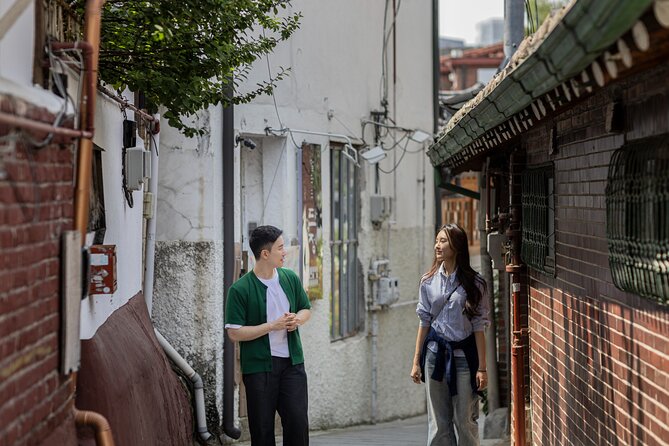
Seoul’s central sights can be easy to admire without understanding how they fit together. This walk is designed to make those connections: Gwanghwamun’s role as a political center, the imprint of foreign influence, the pressures of modern development, and the continuing questions around North Korea all enter the conversation.
That approach suits a short visit. Rather than spending the morning inside one museum, you move through several settings and use them as prompts to understand Korean society. The route is not a deep study of every period or issue, but it offers a framework you can carry into the rest of your time in Seoul.
June is described as a history-trained guide who explains subjects clearly and brings humor into the presentation. The tour is also structured as a conversation, with space for questions. If you like learning through context and discussion, that matters more than simply hearing dates recited at each stop.
The group limit is 20. That is still enough people that you may need to keep close to the guide, but it is a manageable size for a walking tour. The overall pace is meant to be accessible, though a few uphill sections are worth bearing in mind if slopes are difficult for you.
More Seoul tours and experiences:
- Best DMZ Tour Korea from Seoul (Red Suspension Bridge Optional)
★ 5.0 · 41,422 reviews - DMZ Tour: 3rd Tunnel, Option(Suspension Bridge, Boat) from Seoul
★ 5.0 · 21,373 reviews - DMZ tour south Korea from Seoul (NK experience hall, defector)
★ 5.0 · 20,599 reviews
Gwanghwamun Square: Seoul’s Long Political Memory
The walk begins at Gwanghwamun Square, the city-center setting that anchors the tour’s historical story. The square is presented as a major place in Korea for more than 600 years, and the first stop uses Joseon history to introduce ideas that continue to shape Korean society.
You spend about 15 minutes here. That is enough for an orientation and a focused introduction, not a full account of the Joseon kingdom. The benefit is that the guide can set a theme early: the country’s social values and institutions did not appear overnight, and historical patterns help explain modern attitudes.
For first-time visitors, this opening can make the rest of the walk easier to follow. Instead of treating each neighborhood as a separate attraction, you begin with a broad question about how the past informs the present. Keep in mind that the square is an outdoor public space, so the experience depends partly on the conditions around you that morning.
The U.S. Embassy Stop: Looking at Foreign Influence
The next stop is near the U.S. Embassy and Consulate, where the discussion turns to American influence in Korea, from the country’s establishment to the present. The stop is scheduled for about 15 minutes and focuses not only on the historical relationship but also on how Koreans think about the United States.
This is a useful shift from royal history to modern politics. It brings an international relationship into a walk that is otherwise rooted in Seoul’s streets and neighborhoods. The subject can also help you understand why public views of foreign powers are part of the wider conversation about Korean identity.
There is no admission charge listed for the stop, and the point is the explanation rather than entry into a building. Expect an outdoor discussion in the area, not a formal visit inside the embassy. If you want a detailed diplomatic history, a quarter-hour can only introduce the subject. Its value is in giving you context and a chance to ask questions.
Samcheongdong-gil: Modern Seoul and the Cost of Change
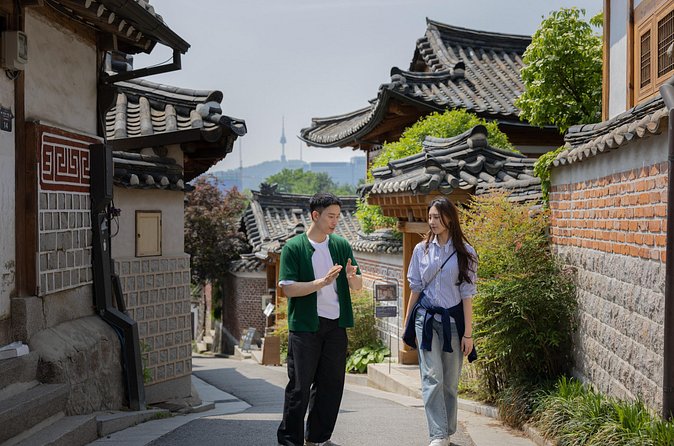
Samcheongdong-gil brings a different mood to the route. The street is known here for its retro-style shops and restaurants, and the guide uses the area to discuss modern development and some of its side effects, along with Korean working culture.
You spend roughly 15 minutes in this part of the walk. The short stop is less about shopping or dining and more about learning to read a street as evidence of social change. That can be useful if you have already seen polished commercial areas and want to consider what economic growth means for the people who work in them.
This is also where the tour’s everyday-life theme becomes more apparent. June connects broad historical developments with customs and pressures that may feel more familiar than a timeline of rulers. You will not have a long break to browse shops or settle in for a meal, so treat this as a guided look rather than a food tour.
Fancy a different kind of day?
- Seoul: DMZ Tour with Optional Suspension Bridge
★ 4.8 · 5,277 reviews - Signature DMZ Tour: Exclusive Defector Talk & Suspension Bridge
★ 5.0 · 4,459 reviews - Thrilling Korean DMZ 3rd Tunnel Tour from Seoul + Red Bridge Rush
★ 5.0 · 3,097 reviews - DMZ Past and Present: Korean Demilitarized Zone Tour from Seoul
★ 5.0 · 2,481 reviews
Bukchon Hanok Village: Old Homes, New Pressures
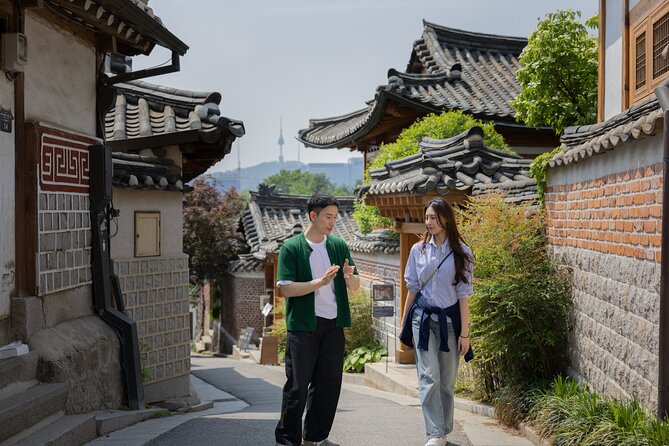
Bukchon Hanok Village is the longest stop, at about 25 minutes. Its traditional houses provide a setting for a discussion of the tension between preservation and development, a subject with practical consequences in a city changing as quickly as Seoul.
The stop makes the tour’s central theme visible. Heritage is not just something preserved behind museum glass; it sits within a living city, where decisions about development and conservation affect neighborhoods. The guide’s role is to explain those competing pressures rather than present the village as a postcard backdrop.
The visit is still brief for an area with lanes and homes worth looking at. You should not expect extensive free time to wander or take a leisurely photo break. The walk also includes some uphill sections, so this is a sensible place to keep your pace comfortable and wear shoes suited to slopes.
The University of North Korean Studies: A Rare Subject for a City Walk
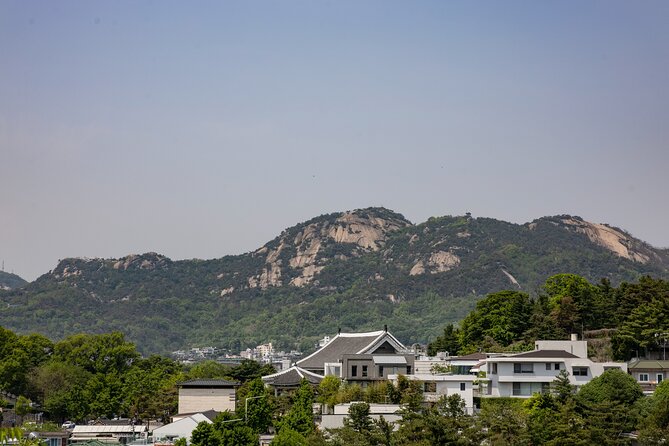
The route’s most unusual stop is the University of North Korean Studies, described as the only college specializing solely in North Korea. The group spends around 20 minutes here discussing relations with North Korea and how South Koreans think about their northern neighbor.
This stop gives the tour a subject that is central to modern Korean life but not always easy for a visitor to approach. Rather than treating North Korea as a distant headline, June connects it to South Korean perspectives and the country’s political outlook. The topic is especially useful if you want a more rounded understanding of the society you are visiting.
The stop is about interpretation and discussion, not a stated campus tour or admission. That distinction helps set expectations: you are there to learn from the guide, not to explore university facilities. If you have questions about the peninsula’s relationship with the United States or Japan, this is a natural point to raise them, though the time available is limited.
From History to Coffee, Work, and Social Customs
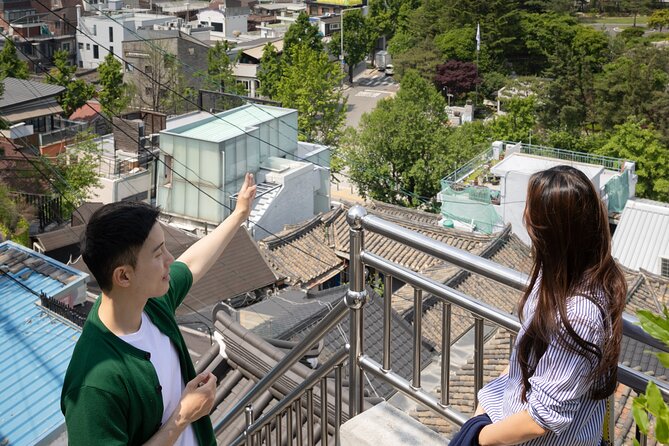
The tour’s promise is not only to cover major political events. It also links history to ordinary habits and social patterns, including age hierarchy, coffee culture, Korean spa culture, and working life. These are the kinds of subjects that can help you make sense of what you encounter later in restaurants, shops, and public spaces.
The historical framing is valuable because customs rarely have one simple cause. June’s aim is to connect the larger story with daily life, rather than offer a list of cultural rules to memorize. You can ask questions and follow the subjects that interest you, although a two-hour tour cannot examine each custom in depth.
The strongest reason to choose this walk is that it treats Seoul as a place shaped by both old structures and contemporary pressures. It is a compact introduction, not a substitute for a history book or a specialist political tour. But it can give you more useful questions to ask as you continue exploring.
Price, Pace, and Practical Details
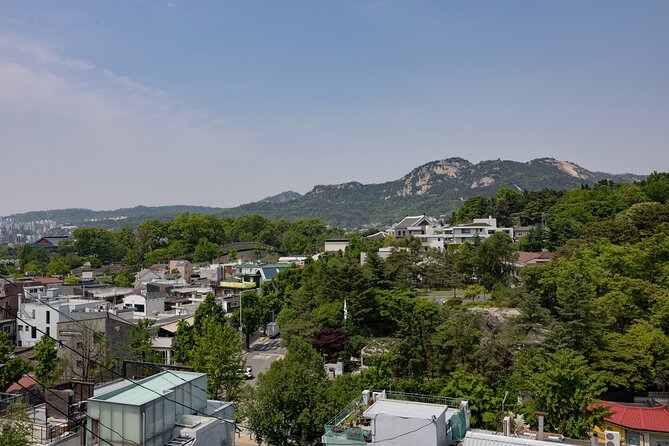
At $14.10 per person, this is an inexpensive way to get a guided introduction to several central Seoul locations. The stops do not list admission fees, so the price is mainly for June’s time and explanations. That is good value if you want context and conversation; it is less compelling if you are looking for paid attractions, extensive free time, or a meal included along the way.
The tour lasts about two hours and starts at 10:30 a.m. at Gwanghwamun Square, at 172 Sejong-daero in Jongno District. It finishes in front of the Blue House, at 1 Cheongwadae-ro. Since the end point differs from the meeting point, plan your next stop from the Blue House rather than assuming you will return to the square.
The experience uses a mobile ticket, and the meeting point is near public transportation. Most people can participate, but the route includes a few uphill stretches. Wear comfortable walking shoes and allow yourself enough time to reach the start point before 10:30.
The tour is booked an average of 18 days ahead, which is a useful clue if your dates are fixed. You can cancel for a full refund up to 24 hours before the start time. The activity depends on good weather and a minimum number of participants; if it is canceled for either reason, you are offered another date or a refund.
Who Should Take This Walk?
I would choose this tour if you want an accessible introduction to Korean history and society without committing half a day. It suits curious first-time visitors, solo travelers, and anyone who likes asking questions about politics and culture. The small-group cap and the guide’s structured style should help keep the discussion focused.
It is also a good fit if you have seen the main sights but want help connecting them. Gwanghwamun, Bukchon, and the Blue House are more meaningful when you understand some of the history and social debates around them. The stops provide that context in a compact route.
You may prefer another activity if your priority is a slow neighborhood wander, a food-focused outing, or a detailed visit inside historic buildings. The two-hour schedule moves steadily between stops, and the focus is explanation rather than shopping or lengthy sightseeing. Those who find uphill walking uncomfortable should also consider the route before booking.
Should You Book It?
Book this walk if you want a clear, affordable introduction to how Korean history connects with modern politics and everyday customs. Its strongest points are June’s structured explanations, the mix of very different locations, and the effort to link subjects such as Joseon history, North Korea, work, and coffee culture.
Skip it if you want a relaxed, unstructured stroll or a full exploration of each site. For most visitors with a free morning and an interest in contemporary Korean society, though, this is a sensible way to make the center of Seoul easier to understand.
FAQ
How long is the Gwanghwamun tour?
It lasts approximately two hours.
Where does the tour start and finish?
It starts at Gwanghwamun Square, at 172 Sejong-daero, and finishes in front of the Blue House at 1 Cheongwadae-ro.
What time does the tour start?
The stated start time is 10:30 a.m.
How many people can join?
The tour has a maximum group size of 20 people.
Is the walk difficult?
It is described as an easy walk, though there are a few uphill sections.
Can I cancel for a refund?
You can cancel at least 24 hours before the start time for a full refund. If the tour is canceled because of poor weather or because the minimum number of participants is not met, you are offered another date or a full refund.
Latest reviews from Seoul
- From Seoul: Hwacheon Ice Fishing and Lighting Festival Tour★ 4.5 · 4 reviews
- Unique Native Experience : Han River Picnic, Board game, BBQ★ 5.0 · 3 reviews
- You’re Invited to Our Home in Seoul: The Only Cooking Class!★ 5.0 · 8 reviews
- Seoul: Gangneung BTS K-Pop & K-Drama Filming Locations Tour★ 4.6 · 14 reviews
- Yun Korean Cooking Class in Seoul★ 5.0 · 6 reviews
- 2-Hour Private Kayaking and Paddleboarding Experience in Hanriver★ 5.0 · 3 reviews
- Day Trip to Yongin Daejanggeum and Korean Folk Village from Seoul★ 4.0 · 9 reviews
- K-Pop Making Class with a Producer!★ 5.0 · 3 reviews
Seoul Tours, compared.
Best DMZ Tour Korea from Seoul (Red Suspension Bridge Optional)
Read our review →
DMZ Tour: 3rd Tunnel, Option(Suspension Bridge, Boat) from Seoul
Read our review →
DMZ tour south Korea from Seoul (NK experience hall, defector)
Read our review →

Signature DMZ Tour: Exclusive Defector Talk & Suspension Bridge
Read our review →
Thrilling Korean DMZ 3rd Tunnel Tour from Seoul + Red Bridge Rush
Read our review →
DMZ Past and Present: Korean Demilitarized Zone Tour from Seoul
Read our review →