
Reviewed · DMZ TOURS
Half-Day South Korea DMZ Small-Group Tour from Seoul
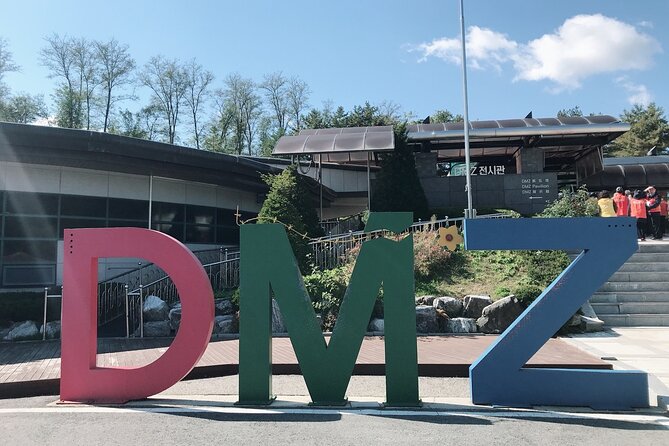
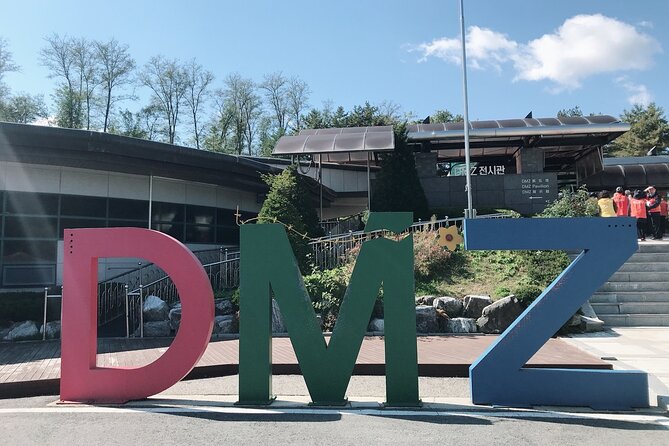
The DMZ is not an ordinary sightseeing stop. It is a heavily controlled border zone where the history of war and separation becomes visible in places such as the Third Tunnel and Dora Observatory. This half-day tour takes you from Seoul to several key sites, with a chance to look toward North Korea.
I like the mix of memorial sites and firsthand geography: Imjingak and Freedom Bridge offer context, while the tunnel and observatory show how close the division feels. I also like that transport and an English-speaking guide are included, and the group is capped at 10.
The main catch is that DMZ access is restricted and daily ticket numbers are limited. You must bring your original passport, and political or operating conditions can affect what you are allowed to see. The final stop at a ginseng museum and duty-free shop also means this is not a DMZ-only outing.
At a glance
- The Third Tunnel gives you a close look at a tunnel discovered by South Korean forces in 1978.
- Dora Observatory offers a view toward North Korea, including places such as Gaeseong and Songaksan when conditions allow.
- Your original passport is mandatory. A copy or phone photo will not get you through the checkpoint.
- The group is limited to 10, with transport and an English-speaking guide included.
- The day starts at 8:00 am in Seoul and lasts about six and a half hours.
- DMZ tickets are limited and sold first come, first served, so booking well ahead is sensible.
What the DMZ visit lets you see
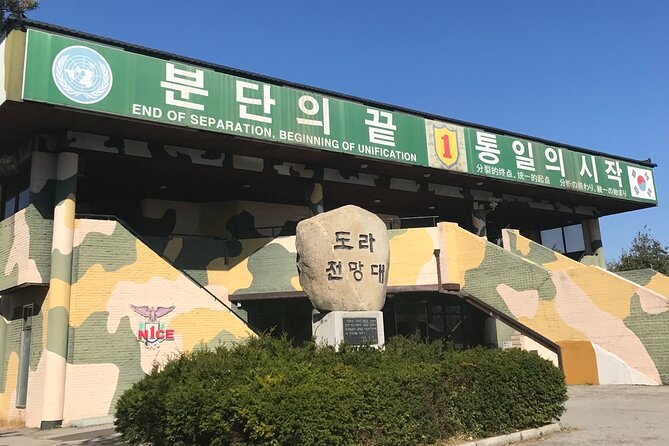
The Korean Demilitarized Zone is a border area shaped by war, negotiation and decades of separation. This tour does not just take you to a lookout for a quick photo. It links memorials, a repatriation route, an underground tunnel and a vantage point over North Korea, helping you understand why the region remains both historically important and tightly controlled.
You leave Seoul in the morning and visit several sites around Paju before returning to the city. The listed stops add up to about three hours of visits, with the rest of the roughly six-and-a-half-hour outing taken by travel and moving between locations. Exact access and timing can vary, so treat the schedule as a plan rather than a guarantee.
The tour includes an English-speaking guide and transportation. That matters here: the sites are spread out, access rules are strict, and the historical context is central to understanding what you are seeing. The group can have up to 10 people, which is small enough to make questions practical without the cost of a private tour.
More DMZ tours from Seoul:
- Best DMZ Tour Korea from Seoul (Red Suspension Bridge Optional)
★ 5.0 · 41,422 reviews - DMZ Tour: 3rd Tunnel, Option(Suspension Bridge, Boat) from Seoul
★ 5.0 · 21,373 reviews - DMZ tour south Korea from Seoul (NK experience hall, defector)
★ 5.0 · 20,599 reviews
Imjingak Park: memorials near the border
Your first stop is Imjingak Pyeonghoa-Nuri Park, about seven kilometres from the Military Demarcation Line. Built in 1972 with the hope that reunification might one day be possible, the park brings the history of the Korean War into view through monuments and statues.
You have about 45 minutes here. That gives you time to look around and take in the memorial setting, though it is not a long visit for anyone who likes to read every plaque or pause at each monument. I would use the guide’s commentary to connect what you see to the wider history, then spend your own time noticing how the park frames the idea of separation and a hoped-for future reunion.
This is a useful first stop because the DMZ can otherwise feel like a collection of military checkpoints and distant views. Imjingak gives the day a human and commemorative starting point.
Freedom Bridge: a route home
At Paju, you stop at Freedom Bridge for about 20 minutes. The bridge itself is not celebrated for its architecture. Its importance comes from its role as a crossing point for South Koreans returning from North Korea after the war, which is how it gained its name.
That distinction is worth keeping in mind. You are coming for the history attached to the crossing, not for an elaborate structure or a long museum visit. The short stop works as a concrete link between the park’s memorials and the more direct evidence of the border that comes later.
The Third Tunnel: an underground reminder of conflict
The Third Tunnel was discovered by South Korean forces in 1978. It is described as 1,635 metres long and about two metres wide and two metres high, and it lies roughly 52 kilometres from Seoul. The tunnel is understood to have been built for military use, with an estimated capacity of about 30,000 soldiers per hour.
You spend around 45 minutes at this stop. The experience includes the chance to walk through the tunnel, an unusual perspective compared with the open-air memorials and viewpoints elsewhere on the tour. The low, narrow dimensions help make the site’s military purpose easier to grasp, though the physical setting may feel close and confining.
The tunnel visit is one of the strongest reasons to choose this outing over a simple drive to a lookout. You are not just hearing about the security situation; you are seeing a piece of infrastructure built beneath the border zone. Follow the guide’s instructions and allow for the fact that access is subject to the rules in force that day.
The stop is listed with no separate admission charge, while the overall tour price includes fees and taxes. The important practical point is that entry to DMZ sites depends on access arrangements and limited daily tickets, so no tour can promise that every planned part will be available in every circumstance.
More half-day tours in Seoul:
- Seoul: Half-Day DMZ Tour Led by a Retired Military Officer
★ 4.9 · 1,399 reviews - Korean Folk Village Half-day Guided Tour from Seoul
★ 5.0 · 13 reviews
Dora Observatory: looking across the divide
Dora Observatory is near the Third Tunnel and has been open to the public since 1987. From here, you may look toward North Korea and locations including Gaeseong, Songaksan and the Kim Il-Sung statue. The visit is scheduled for about 45 minutes.
This is the stop that most clearly answers the question many people bring to a DMZ tour: can you actually see North Korea? The observatory offers that possibility, but visibility and access conditions can affect what you make out. Keep your expectations sensible. You are looking across a restricted border area, not visiting a North Korean town or moving freely through the zone.
The view matters because it gives the day a sense of distance and proximity at once. North Korea is visible from the South, yet the border remains controlled and the two sides are separated. If the view is limited on your day, the guide’s explanation can still help put the place names and geography into context.
A final Seoul stop for ginseng and shopping
The route includes a 30-minute stop in Seoul at a ginseng museum and duty-free shop. At the museum, you can learn about ginseng’s history, different types and stated benefits. The duty-free shop offers luxury fashion brands.
This is a different kind of stop from the DMZ sites. If you are keen to learn about ginseng or browse duty-free goods, it adds variety. If you want every minute devoted to the border and its history, you may find the commercial element less compelling. It is worth knowing about before booking, particularly if you expected a full morning of military history without a retail visit.
The guide and the value of a small group
The tour includes an English-speaking guide, and that is more than a convenience on a visit like this. A guide can explain why Freedom Bridge matters, how the tunnel fits into the history of the DMZ and what you are looking at from Dora Observatory. The day’s value depends in part on getting that context, not simply reaching each stop.
Henry Park is a guide name associated with Seoul tours and is praised for cultural knowledge, clear explanations, helpfulness and careful time management. However, the tour details do not guarantee that he will lead your departure. If you have a particular guide in mind, confirm the assignment with the operator rather than assuming it.
The maximum group size is 10. That is a useful middle ground: you are not paying for a private vehicle and guide, but you are also not joining a very large coach group. The price is $500 per group of up to four, so it can be good value if you are traveling with family or friends and split the cost. For one person or a pair, the per-person cost is higher, and you should weigh it against the included transport, guide, and access to several sites in one morning.
Booking, timing and essential rules
The tour starts at 8:00 am in Seoul and ends at Seoul City Hall, at 110 Sejong-daero. City Hall is on Subway Line 1, making the stated end point straightforward to locate. The total duration is about six hours and 30 minutes.
Bring your original passport. The requirement is explicit: a copy or a photograph is not accepted for DMZ entry. Check that you have the physical document with you before leaving your accommodation, since this is not a detail you can fix with a phone search or a printed copy.
DMZ entrance tickets are limited each day and sold first come, first served. Booking about a month ahead is suggested, although last-minute spaces may sometimes appear on irregular schedules. The average booking is made six days before the tour, but that is not a reliable strategy if this visit is important to your plans. Confirmation is provided within 48 hours of booking, subject to availability.
The experience requires good weather. If poor weather leads to cancellation, you are offered another date or a full refund. Otherwise, the stated cancellation terms are strict: the booking is non-refundable and cannot be changed. The tour is suitable for most participants, but the tunnel visit is a physical part of the day, so consider your comfort with walking through a low, narrow space.
Who should book this DMZ tour?
I would choose this tour if you want a compact, guided introduction to the DMZ and value seeing more than one kind of site. The sequence has a good logic: begin with memorials, consider the history of a crossing, enter the Third Tunnel and then look north from Dora Observatory. The transport and English commentary make it easier to fit these dispersed places into a single morning.
It is especially practical for a group of up to four, since the $500 group price can be divided among you. It also suits visitors with limited time in Seoul who want a focused excursion rather than a full-day trip.
Think twice if you need guaranteed access to every stop, want a completely private schedule, or are uncomfortable with a tunnel visit. The daily ticket limit and political conditions mean the experience can change, and the ginseng and duty-free stop may not suit someone seeking only historical sites.
Book it if you can bring your original passport, accept some uncertainty about access and want a guided look at the border’s memorials, tunnel and views. If those conditions work for you, this is a strong way to understand the DMZ beyond a map or a history lesson.
FAQ
How long is the tour?
It lasts about six hours and 30 minutes.
What time does the tour start?
The stated start time is 8:00 am in Seoul.
Where does the tour end?
It ends at Seoul City Hall, at 110 Sejong-daero in Jung District. City Hall is on Subway Line 1.
Do I need to bring my passport?
Yes. You must bring your original passport to enter the DMZ. A copy or photo is not accepted.
How many people can join the tour?
The maximum group size is 10 people. The listed price is $500 per group of up to four.
Is transportation included?
Yes. Transportation is included, along with an English-speaking guide and all fees and taxes.
Which sites are included?
The listed stops are Imjingak Pyeonghoa-Nuri Park, Freedom Bridge, the Third Tunnel, Dora Observatory, a ginseng museum and a duty-free shop.
Can I see North Korea?
Dora Observatory offers views toward North Korea, including places such as Gaeseong and Songaksan. What you can see may depend on conditions and access on the day.
How far ahead should I book?
Booking about one month ahead is suggested because DMZ tickets are limited and sold first come, first served. Last-minute bookings may be available on irregular schedules.
What happens if bad weather cancels the tour?
If the experience is canceled due to poor weather, you are offered a different date or a full refund.
Latest reviews from Seoul
- From Seoul: Hwacheon Ice Fishing and Lighting Festival Tour★ 4.5 · 4 reviews
- Unique Native Experience : Han River Picnic, Board game, BBQ★ 5.0 · 3 reviews
- You’re Invited to Our Home in Seoul: The Only Cooking Class!★ 5.0 · 8 reviews
- Seoul: Gangneung BTS K-Pop & K-Drama Filming Locations Tour★ 4.6 · 14 reviews
- Yun Korean Cooking Class in Seoul★ 5.0 · 6 reviews
- 2-Hour Private Kayaking and Paddleboarding Experience in Hanriver★ 5.0 · 3 reviews
- Day Trip to Yongin Daejanggeum and Korean Folk Village from Seoul★ 4.0 · 9 reviews
- K-Pop Making Class with a Producer!★ 5.0 · 3 reviews
DMZ Tours, compared.
Best DMZ Tour Korea from Seoul (Red Suspension Bridge Optional)
Read our review →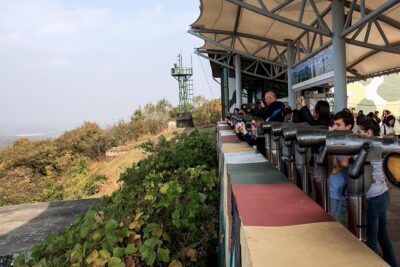
DMZ Tour: 3rd Tunnel, Option(Suspension Bridge, Boat) from Seoul
Read our review →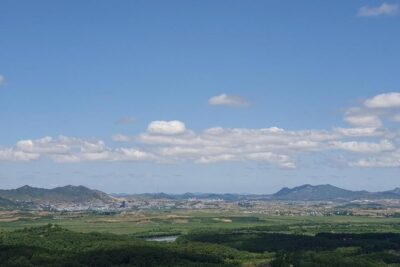
DMZ tour south Korea from Seoul (NK experience hall, defector)
Read our review →

Signature DMZ Tour: Exclusive Defector Talk & Suspension Bridge
Read our review →
Thrilling Korean DMZ 3rd Tunnel Tour from Seoul + Red Bridge Rush
Read our review →
DMZ Past and Present: Korean Demilitarized Zone Tour from Seoul
Read our review →
Ultimate Korea DMZ Tour from Seoul (Gondola & Suspension Bridge)
Read our review →Browse the lists this tour appears in