
Reviewed · KOREAN FOLK VILLAGE TOURS
Hwadam Botanic Garden and Namhansanseong and Folk Village Trip
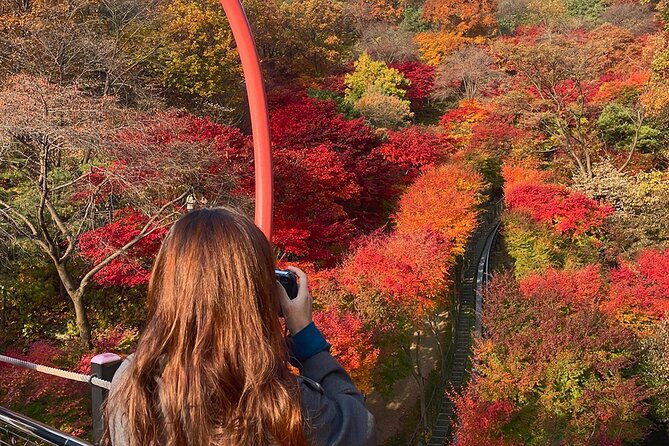
Hwadam Forest, a UNESCO-listed fortress, and a village of traditional Korean houses make an appealing trio for a day out of Seoul. The route gives you three distinct ways to meet Korea: through its natural heritage, its military past, and its everyday traditions.
I like the contrast between the quiet paths at Hwadam and the wide historical sweep of Namhansanseong. I also like that the Folk Village adds a human scale, with traditional homes, crafts, and performances rather than another museum display.
The trade-off is the long day: about ten hours, including roughly four hours on the road. You also have limited time at each stop, and lunch is not included, so plan to keep your pace steady.
- Hwadam Forest has more than 4,000 plant species and a stated focus on restoring ecosystems and endangered plants.
- Namhansanseong is a UNESCO World Heritage site, recognized for its role in Korean history and fortress architecture.
- The Folk Village brings traditional homes, agricultural culture, crafts, and dance together in one stop.
- About four hours are spent in transit, with pickup points in Hongik University, Myeongdong, and Dongdaemun.
- Transport, attraction admissions, and a professional guide are included in the $87.60 price; lunch and personal expenses are extra.
A day that links nature, defense, and daily life
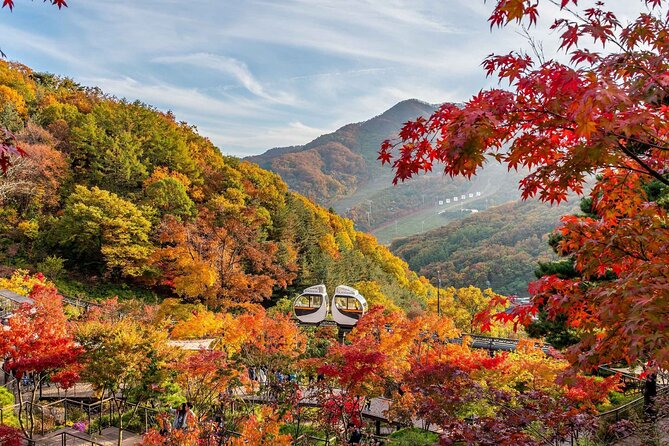
This trip makes sense as a whole because its stops tell different parts of Korea’s story. Hwadam is a place to slow down and notice plant life. Namhansanseong gives you a view of how a mountain fortress served a practical purpose. The Folk Village shifts attention to homes, farming, crafts, and performance.
That variety is the tour’s main strength. Instead of spending a full day on one subject, you move through three settings that are close enough to combine on a day trip from Seoul. The downside is that the schedule is necessarily structured. If you prefer to linger for hours in a garden or explore a fortress at your own pace, the stops may feel brief.
The tour lasts about ten hours. The listed schedule allows two hours for the trip from Seoul to Hwadam, two hours at the garden, two hours at Namhansanseong, an hour and a half at the Folk Village, and about two hours to return. These are useful planning estimates, not a promise of exactly how every minute will unfold.
Hwadam Forest: two hours among 4,000 plant species
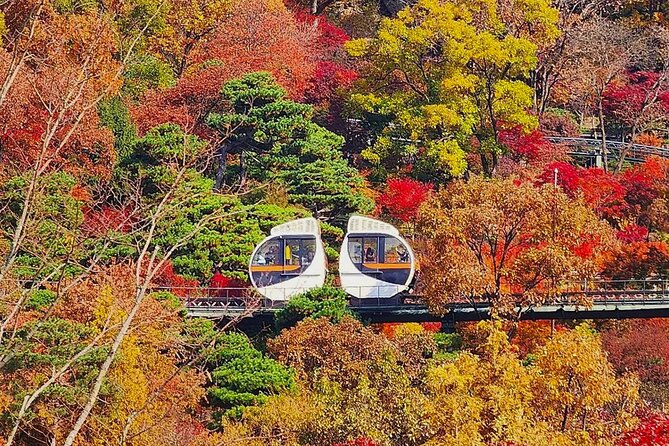
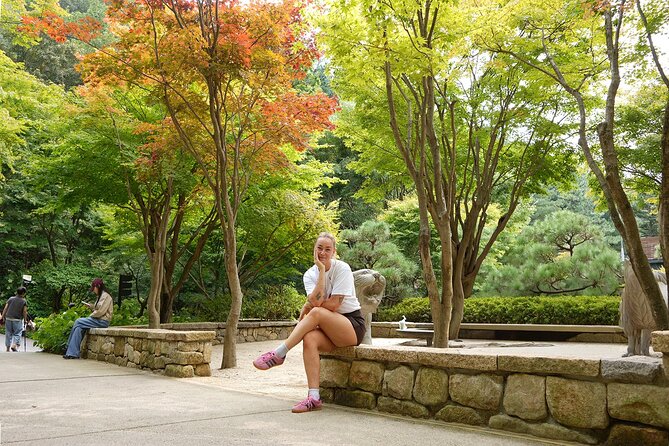
The first major stop is Hwadam Forest, where you have about two hours to walk among a collection of more than 4,000 plant species. The name Hwadam means to have a peaceful conversation, a fitting idea for a garden visit built around quiet observation rather than a quick photo stop.
The garden’s purpose reaches beyond appearance. It aims to restore ecosystems, collect a broad range of plant species, and support the restoration of endangered plants. That gives the visit a conservation angle: you are not simply looking at attractive planting, but entering a site designed to care for plant life.
Two hours is enough to get a meaningful taste of the grounds, but it is not unlimited time. I would treat this as a focused garden walk, not an opportunity to see every corner at leisure. Wear comfortable shoes and be ready to keep moving so you can enjoy the setting without watching the clock constantly.
The garden is the stop most likely to appeal to anyone who needs a quieter counterpoint to Seoul. It also gives the day a gentle start before the fortress and village visits. If you are mainly interested in shopping, food, or city neighborhoods, though, a long trip out of town for a garden may not be your best use of a day.
More Folk Village trips from Seoul:
- Seoul: Suwon Hwaseong Fortress & Korean Folk Village Tour
★ 4.7 · 214 reviews - Korean Folk Village and Suwon Hwaseong Fortress Day Tour(EG Tour)
★ 4.5 · 80 reviews - Seoul: Suwon Hwaseong, Folk Village, & Starfield Library
★ 4.8 · 55 reviews
Namhansanseong: fortress history with room to look around
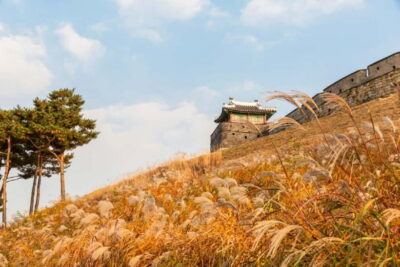
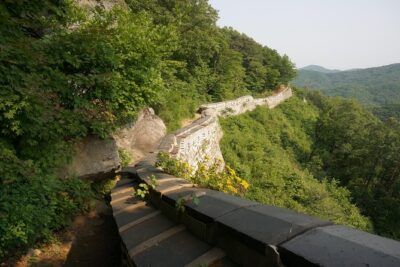
Namhansanseong is a UNESCO World Heritage site, added to the list in 2014. It is recognized as an important resource for understanding Korean history, culture, and architectural technology. Those credentials give the stop more weight than a scenic break: the fortress is a chance to consider how architecture and geography worked together in Korea’s past.
The schedule gives you about two hours at the fortress and its temporary palace. That is a useful amount of time for seeing the site and taking in its setting, though your actual route and pace will depend on the group and the guide. The supplied details do not specify a walking route or the particular structures covered, so you should not expect a guaranteed, exhaustive tour of every feature.
The main value here is context. A fortress makes more sense when you think about its strategic purpose and the practical demands of defending a settlement. Your guide can help connect the buildings and setting to that wider story, while the site itself offers a change of pace from the cultivated garden.
This stop may be the most rewarding for visitors with an interest in history or architecture. If you are less drawn to historic sites, it still adds an important contrast to the day, but the Folk Village may feel more immediately accessible because it focuses on homes, crafts, and performance.
Korean Folk Village: traditional houses and living culture
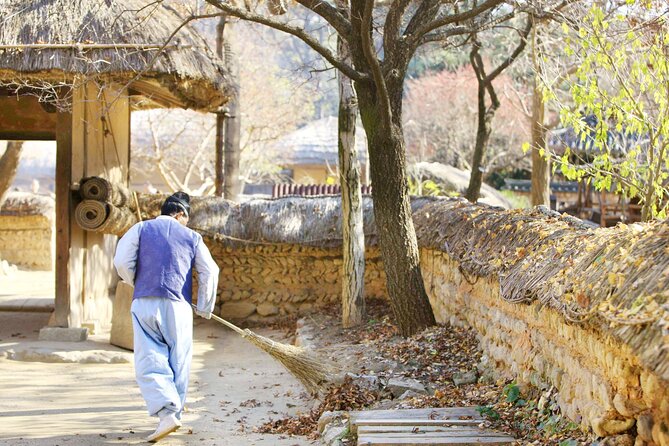
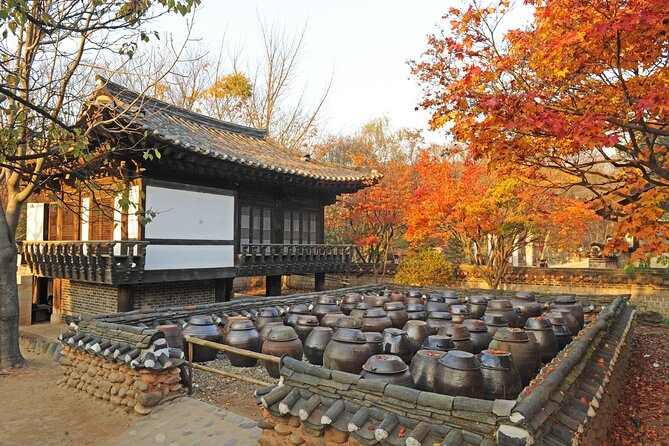
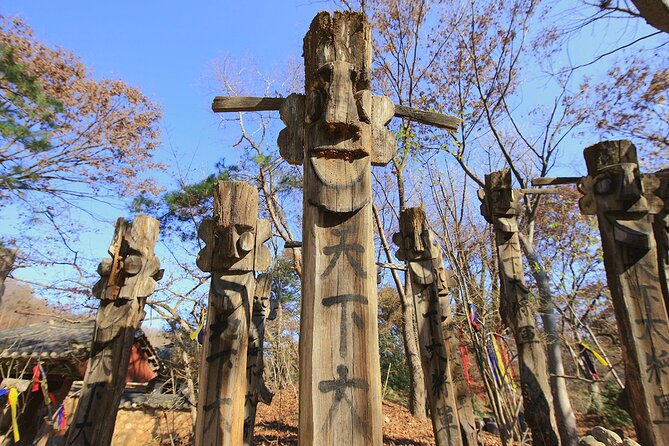
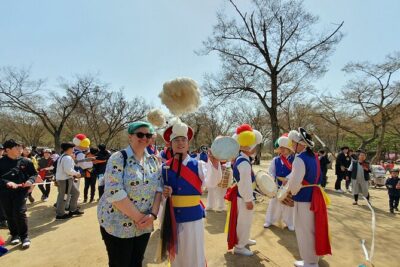
The final main stop is the Korean Folk Village, where you have about an hour and a half. It brings together traditional houses, agricultural culture, crafts, and traditional dance. The appeal is its range: rather than seeing a single house or artifact, you get a broader look at how traditional architecture and cultural practices fit together.
This is the most hands-on-sounding part of the itinerary, with opportunities to encounter traditional crafts and performances. The exact schedule of demonstrations is not specified, so treat live performances as part of the village’s offering, not as a guaranteed show at a particular time. With only 90 minutes, you may need to choose what interests you most instead of trying to see every activity.
For families and first-time visitors, this stop can make cultural history easier to connect with. A house, a craft, or a dance offers a concrete point of entry, even if you have not studied the period beforehand. It is also a good way to end the day on a more active and social note after the garden’s calm and the fortress’s historical focus.
The time limit is the main drawback. If a performance is underway or a craft activity catches your attention, you may have to move on before you have seen everything. Think of the village visit as a useful introduction, not a full day of exploration.
The long ride from Seoul and the pickup plan
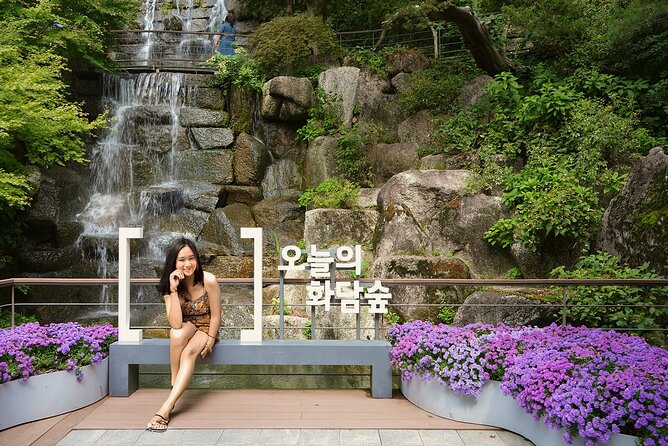
The tour uses round-trip transportation, which is a real practical benefit. Hwadam, Namhansanseong, and the Folk Village are all outside central Seoul, and arranging three separate visits independently would mean planning several transport legs. A guided vehicle keeps the day connected and leaves you free to focus on the stops.
Pickup is listed at 7:00 am from Hongik University Station Exit 4, 7:30 am from Myeongdong Station Exit 3, and 7:40 am from Dongdaemun History & Culture Park Station Exit 10. The stated start time is 7:40 am, so check your own pickup point carefully when booking. Drop-off is at the same three areas.
Expect a full day, with about two hours each way in transit. Traffic and the group schedule can affect how the day feels, so bring something to drink and plan for a long stretch away from your hotel. The upside is that the transport and guide are included, and the tour ends back in Seoul.
The group can include up to 42 people. That is large enough that you should not expect a private outing or an especially intimate guide experience. On the other hand, a professional guide can help make the history and cultural context easier to follow while you move between sites.
Guides named on past departures include Yoon, Joon, and Mac. Their names are useful to know, but a specific guide is not guaranteed for your date. The tour’s value should rest on the route, included transport, and admissions rather than on the chance of getting one particular guide.
More Seoul tours and experiences:
- Best DMZ Tour Korea from Seoul (Red Suspension Bridge Optional)
★ 5.0 · 41,422 reviews - DMZ Tour: 3rd Tunnel, Option(Suspension Bridge, Boat) from Seoul
★ 5.0 · 21,373 reviews - DMZ tour south Korea from Seoul (NK experience hall, defector)
★ 5.0 · 20,599 reviews - Seoul: DMZ Tour with Optional Suspension Bridge
★ 4.8 · 5,277 reviews
What the $87.60 price covers
At $87.60 per person, the price includes round-trip transport, admission to the attractions, and a professional guide. That bundles the most complicated parts of this day trip: getting between several destinations and paying for the included stops. For someone who wants to visit all three in one day without organizing each leg, that is a practical package.
Lunch is not included, and personal expenses are extra. Set aside money for food and anything else you choose to buy during the day. The exact place and timing for lunch are not specified, so it is sensible to ask the operator if you need to know how the meal break fits into the schedule.
The value depends on your priorities. If you want a guided day with transport and admissions handled, the cost is easier to justify. If you prefer to spend a full day at one location or move independently, you may find the tightly planned route less appealing.
The tour is booked, on average, 54 days ahead. That is a useful signal to plan early if your dates are fixed, though it does not guarantee that every departure sells out. A mobile ticket is provided, and confirmation is received at booking. Free cancellation is available up to 24 hours before the experience begins; changes made inside that window are not accepted, and the fare is not refunded for a late cancellation.
Who will get the most from this day trip
I would recommend this trip if you have already seen central Seoul or want one organized day that mixes nature with cultural and historical sites. It is particularly well suited to first-time visitors who value a guide and want a broad introduction rather than a deep, specialist visit to one place.
It can also work well for people who like a varied schedule. Hwadam offers plants and a calmer pace, Namhansanseong adds history and architecture, and the Folk Village brings traditional houses and cultural activities. The shifts in subject help keep the day from feeling like three versions of the same attraction.
You may want to skip it if you dislike early starts, long bus rides, or a timetable with limited time at each stop. It is also not the best match if you want a leisurely garden day or a detailed exploration of the fortress. The group size, which can reach 42, matters if you prefer small-group touring.
Most travelers can participate, and the tour is near public transportation, but the available details do not provide a specific accessibility description. If you have mobility needs, check directly with the operator before booking rather than assuming that every part of the route will suit you.
Should you book the Hwadam, Namhansanseong, and Folk Village trip?
Book this tour if you want a well-rounded day beyond Seoul and value transport, admissions, and a guide in one price. Its strongest feature is the mix: you get a conservation-minded garden, a major fortress site, and a traditional village, all in one outing.
Pass if you prefer independent travel, long unhurried visits, or a smaller group. For everyone else, the key question is whether you are happy trading depth at each stop for variety across the day. If you are, this is a practical way to see three very different sides of Korea without arranging the connections yourself.
FAQ
How long is the tour?
It lasts about ten hours, including travel between Seoul and the three attractions.
Where are the pickup points?
Pickup is listed at Hongik University Station Exit 4, Myeongdong Station Exit 3, and Dongdaemun History & Culture Park Station Exit 10. The listed pickup times are 7:00 am, 7:30 am, and 7:40 am, respectively.
Are attraction admissions included?
Yes. Admission to the attractions and round-trip transportation are included in the price.
Is lunch included?
No. Lunch and other personal expenses are not included.
How many people can join the tour?
The maximum group size is 42 people.
Can I cancel for a refund?
You can cancel at least 24 hours before the experience starts for a full refund. Cancellations made less than 24 hours before the start time are not refunded.
Latest reviews from Seoul
- From Seoul: Hwacheon Ice Fishing and Lighting Festival Tour★ 4.5 · 4 reviews
- Unique Native Experience : Han River Picnic, Board game, BBQ★ 5.0 · 3 reviews
- You’re Invited to Our Home in Seoul: The Only Cooking Class!★ 5.0 · 8 reviews
- Seoul: Gangneung BTS K-Pop & K-Drama Filming Locations Tour★ 4.6 · 14 reviews
- Yun Korean Cooking Class in Seoul★ 5.0 · 6 reviews
- 2-Hour Private Kayaking and Paddleboarding Experience in Hanriver★ 5.0 · 3 reviews
- Day Trip to Yongin Daejanggeum and Korean Folk Village from Seoul★ 4.0 · 9 reviews
- K-Pop Making Class with a Producer!★ 5.0 · 3 reviews
Korean Folk Village Tours, compared.
Suwon Hwaseong Fortress & Korean Folk Village Tour
Read our review →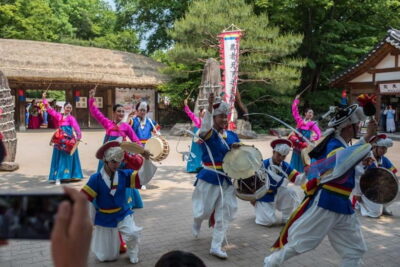
Suwon Hwaseong, Folk Village, & Starfield Library
Read our review →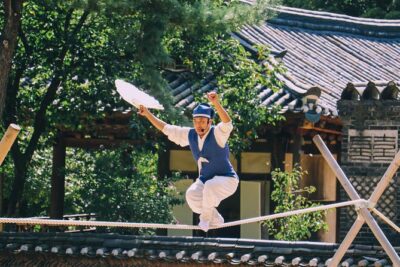
Namhansanseong UNESCO Historical Sites and Korean Folk Village-Private Tour
Read our review →
Private Day Trip to Korean Folk Village and Hwaseong Fortress
Read our review →
Korean Folk Village Half-day Guided Tour from Seoul
Read our review →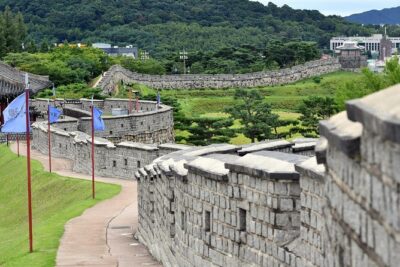
Private Korean Folk Village, Suwon Starfield Libarary&Hwaseong
Read our review →Browse the lists this tour appears in