
Reviewed · SUWON HWASEONG FORTRESS TOURS
Hwaseong Fortress and Korean Folk Village Tour from Seoul
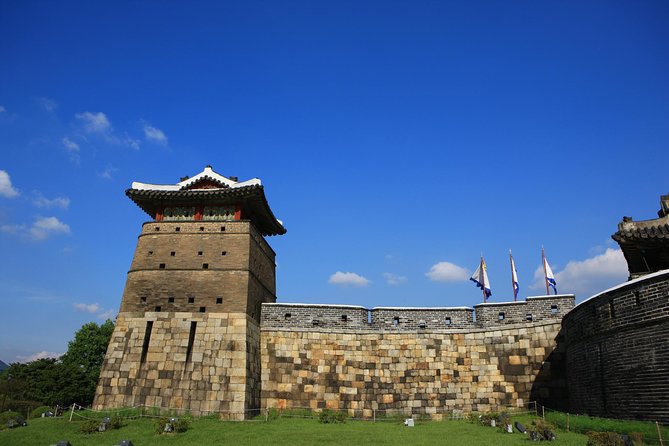
Hwaseong Fortress was built in the 1790s as a fortified city, not just a wall around a town. That makes this trip a useful way to see how late Joseon rulers combined defense, civic planning and royal ambition, then contrast that monumental project with everyday life recreated at the Korean Folk Village.
I like the pairing: the fortress gives you grand gates, towers and a clear story about King Jeongjo, while the village shifts attention to houses, crafts and folk customs. I also like that coach transport and admission are included, so you can spend the day looking outward rather than sorting out two separate trips from Seoul.
The main consideration is time. The schedule lists about an hour at each site, and the village’s performances and workshops can vary by season. Lunch is described as part of the experience in one place, but the included-items list says it is not included, so plan to pay separately unless the operator confirms otherwise.
At a glance
- Two sharply different stops: Explore a UNESCO-listed fortress in Suwon, then see restored late Joseon homes and craft workshops at the Korean Folk Village.
- A guide puts the sites in context: The fortress story centers on King Jeongjo, its 1794 to 1796 construction, and his plans for a new regional city.
- Coach transport saves effort: Hotel pickup is offered, and the tour runs for about eight hours from an 8:30am start.
- Performances depend on the day: Folk music, horseback martial arts and other programs are seasonal or scheduled, so a show is not assured.
- Bring money for food: Bibimbap and market snacks are described, but lunch is listed as not included.
- Expect a small group: The maximum is nine people, with at least two required for a booking.
Why these two stops make a good pair
Hwaseong Fortress and the Korean Folk Village tell different parts of Korea’s past. At the fortress, you see a planned military and civic project from the end of the Joseon Dynasty, which ruled from 1392 to 1910. At the village, traditional homes, household objects and working craft demonstrations offer a more domestic view of life in that period.
That contrast is the tour’s strongest idea. A fortress can be hard to read as more than a sequence of walls and gates without some explanation. A guide can connect the architecture to King Jeongjo’s purpose, including his filial devotion to his father and his ambition to establish a new city with its own economic strength.
The village then changes the scale. Rather than focusing on royal plans and defense, you can look at how homes were arranged and how everyday crafts were made. The two stops are not a complete history of Korea, but they give you a useful introduction to both official ambition and folk culture.
More Suwon fortress trips from Seoul:
- Seoul: Suwon Hwaseong Fortress & Korean Folk Village Tour
★ 4.7 · 214 reviews - Beyond Seoul: Starfield Library, Hwaseong Fortress & Cave Quest
★ 5.0 · 177 reviews - From Seoul: Suwon Hwaseong Fortress Tour
★ 5.0 · 108 reviews
Following King Jeongjo’s plans at Hwaseong Fortress
The morning begins with pickup in Seoul and a coach ride to Suwon, about 30 kilometers away. The tour description says your guide discusses the fortress during the drive, giving you some context before you reach the site.
Hwaseong was built between 1794 and 1796. King Jeongjo intended the fortress to protect Suwon, one of the Joseon dynasty’s regional government centers. Its construction also reflected his devotion to his father and his goal of developing a new city with an independent economic base.
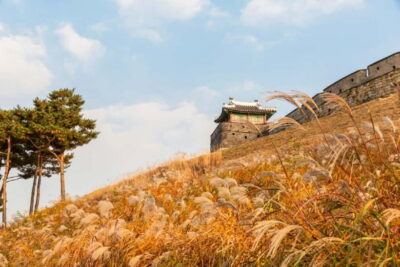
The fortress was named a UNESCO World Heritage site in 1997. Its walls, gates and artillery towers are the main features you’ll see on foot, with Paldalsan Mountain at the center of the site. The setting helps explain why this was more than a decorative royal project: the fortifications were part of a plan for a working city.
A guided walk can make the architecture easier to follow. Instead of simply admiring a gate or tower, you can ask how it fit into the defensive system and why the site was built where it was. The tour includes admission and says your guide will lead you around key areas.
The listed stop time is about one hour. That is enough for an introduction and a focused look at the main features, but it is not a long independent visit. If you enjoy lingering over details or walking more of the walls, the pace may feel brisk. The tour’s physical fitness guidance is moderate, so expect some walking rather than a coach-based view of the site.
Hwaseong also hosts performances, and Suwon’s annual Hwaseong Cultural Festival takes place in the fall. The tour information notes daily performances at the fortress, but it does not specify which ones fit this schedule. Treat any performance as a possible extra, not the central reason to book.
A different pace at the Korean Folk Village
After the fortress, the coach continues to the Korean Folk Village. Opened in 1974, the site was created using more than 260 traditional houses that were restored to show aspects of the late Joseon period. The larger village includes more than 200 restored homes, along with household goods and artifacts from different regions.
The point is not simply to look at old buildings. You can walk between traditional houses, see how domestic spaces were presented, and visit workshops where craftspeople demonstrate work such as pottery, basketry, bamboo wares, paper, brass wares, fans, musical instruments and embroidery. The range of crafts makes this stop particularly useful if you want a hands-on sense of material culture, even if you are mainly watching rather than taking a class.
The village also stages folk programs, including nongak, or farmer’s music, horseback martial arts and traditional wedding ceremonies. These events can be seasonal, and special programs vary. One event, Welcome to Joseon, is held in May. Because performances can change or be cancelled, don’t build your whole day around seeing a particular show.
You may want time to wander on your own, browse the market or pause at a workshop. But the tour is structured around a group visit, and the listed stop is about an hour. Some people have found the guide’s pace hurried or wished for more free time, so if independent browsing matters to you, ask how much unescorted time is available before booking.
There is also a family-friendly theme park with 15 attractions at the village. Its presence may appeal to families, but the tour details do not say how much time is set aside for rides. With a short scheduled visit, consider the attractions a possible bonus rather than something you can count on fitting in.
Lunch, transport and the details to check
The village market is the planned place for lunch. Bibimbap, a rice dish with meat and vegetables, is the meal named in the tour description. Rice cakes and traditional liquor are also available for an additional cost.
There is a confusing point about what the price covers. The overview describes a Korean-style lunch, but the exclusions explicitly list lunch as not included. I would budget for your meal and any snacks, then confirm with the operator if you need a clear answer before booking. The listed price is $91 per person, and it includes coach transport, a professional English-speaking guide and admission to both sites. With those major costs covered, it can be fair value if you want a guided, door-to-door day, but food is an extra.
Pickup is offered at your Seoul hotel, and the tour starts at about 8:30am. The group is capped at nine, which is small enough for a more personal outing than a large coach tour. At least two people must book for the tour to run.
There is also a discrepancy about the return. The overview describes round-trip hotel transport, while the included-items section says drop-off is at Myeongdong station. Confirm the actual end point with the operator, especially if you are staying outside central Seoul or need to plan an evening connection.
The tour lasts about eight hours, including road time between Seoul, Suwon and the village. It is usually booked about 31 days ahead, so popular dates may need advance planning. Free cancellation is available up to 24 hours before the start time; within 24 hours, the stated policy does not offer a refund.
More Folk Village trips from Seoul:
- Korean Folk Village and Suwon Hwaseong Fortress Day Tour(EG Tour)
★ 4.5 · 80 reviews - Seoul: Suwon Hwaseong, Folk Village, & Starfield Library
★ 4.8 · 55 reviews - Traditional Korean folk village Afternoon tour
★ 5.0 · 52 reviews - Namhansanseong UNESCO Historical Sites and Korean Folk Village-Private Tour
★ 5.0 · 29 reviews
Guide quality and group pace
The guide matters here because the fortress rewards a little historical explanation. One guide named in tour feedback is Richard, who was praised for clear explanations, attentive care and practical Seoul tips, including food suggestions. That is useful, but it does not mean he will lead every departure.
Guide quality can vary. Some accounts describe a friendly guide with limited fortress information, while others describe a guide who moved quickly through the village or did not prioritize performances. That range is worth keeping in mind: the trip includes an English-speaking guide, but the amount of detail and the pace may depend on the person leading your day.
The small maximum group size is a plus for questions and moving between stops. At the same time, this is an organized outing with a fixed schedule, not a private driver waiting while you explore at your own speed. If you prefer to spend an hour watching a craft demonstration or browsing shops, ask in advance whether the group gets any independent time.
Weather can also affect the day. Rain has shortened at least one outing, and outdoor walking is part of the fortress visit. Bring weather-appropriate clothing and comfortable shoes, especially if you want to keep up with the group without worrying about uneven paths or a change in conditions.
Is this the right day trip for you?
I’d choose this tour if you want an efficient introduction to Suwon and late Joseon culture without arranging transport and admission yourself. Its best feature is the contrast between Hwaseong’s walls and military architecture and the folk village’s homes, workshops and customs. It suits first-time visitors to Korea, families interested in cultural demonstrations, and anyone who prefers a guide to connect the details.
It is less suited to you if you want long, unhurried visits, guaranteed performances or a day planned around shopping and independent exploration. The listed hour at each stop makes this a sampler, and the exact return point and lunch cost need clarification.
At $91, the price makes the most sense if you value a small group, an English-speaking guide, coach transport and admission together. Before booking, confirm lunch, the drop-off point and how much free time you will have at the village. If those details suit your plans, this is a practical way to see two distinct sides of Suwon in one day.
FAQ
How long is the tour?
The tour lasts about eight hours, with an 8:30am start.
Is hotel pickup included?
Hotel pickup service is listed as included. The return point is not consistent across the tour details, so confirm whether you will be dropped at your hotel or at Myeongdong station.
Is lunch included in the price?
The tour details conflict. The overview describes a Korean lunch, but the exclusions list lunch as not included. Budget for your meal and check with the operator before departure.
What can I see at the Korean Folk Village?
You can visit restored traditional homes, see household items and regional artifacts, and watch craftspeople working in areas such as pottery, basketry, paper and embroidery. Seasonal programs may include nongak, horseback martial arts and a traditional wedding ceremony.
Are performances guaranteed?
No. Programs vary by season, and the details do not guarantee that a particular performance will take place during your visit.
How large is the group?
The tour has a maximum of nine people and requires at least two people per booking.
Latest reviews from Seoul
- From Seoul: Hwacheon Ice Fishing and Lighting Festival Tour★ 4.5 · 4 reviews
- Unique Native Experience : Han River Picnic, Board game, BBQ★ 5.0 · 3 reviews
- You’re Invited to Our Home in Seoul: The Only Cooking Class!★ 5.0 · 8 reviews
- Seoul: Gangneung BTS K-Pop & K-Drama Filming Locations Tour★ 4.6 · 14 reviews
- Yun Korean Cooking Class in Seoul★ 5.0 · 6 reviews
- 2-Hour Private Kayaking and Paddleboarding Experience in Hanriver★ 5.0 · 3 reviews
- Day Trip to Yongin Daejanggeum and Korean Folk Village from Seoul★ 4.0 · 9 reviews
- K-Pop Making Class with a Producer!★ 5.0 · 3 reviews
Suwon Hwaseong Fortress Tours, compared.
Suwon Hwaseong Fortress & Korean Folk Village Tour
Read our review →
Beyond Seoul: Starfield Library, Hwaseong Fortress & Cave Quest
Read our review →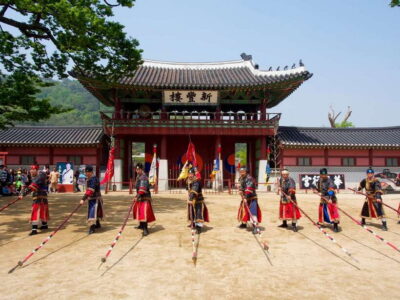

Suwon Hwaseong+Gwangmyeong Cave+Starfield Library from Seoul
Read our review →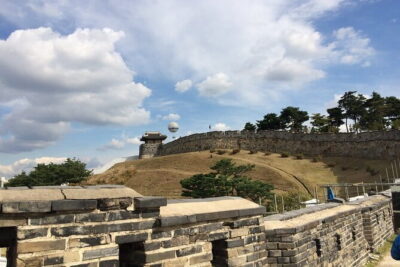
Day Tour of Suwon Hwaseong Fortress Starfield Waujeongsa Temple
Read our review →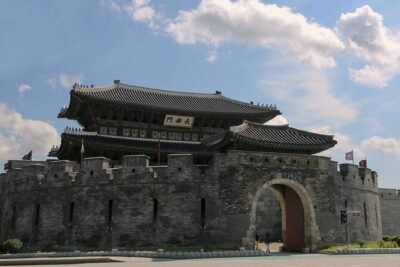
Day Trip to UNESCO: Suwon Fortress Adventure from Seoul
Read our review →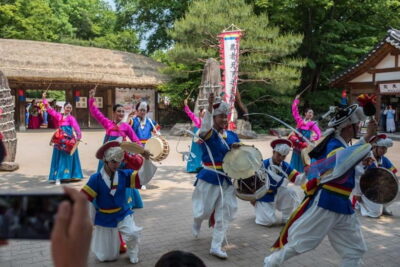
Suwon Hwaseong, Folk Village, & Starfield Library
Read our review →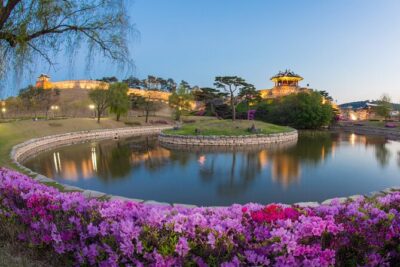
Night View Tour to Suwon Hwaseong Fortress from Seoul
Read our review →Browse the lists this tour appears in