
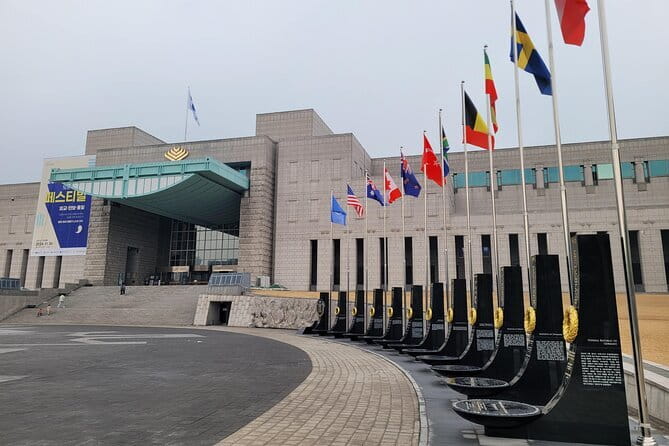
Reviewed · SEOUL PRIVATE TOURS
Korean War Memorial Private Guided Tour
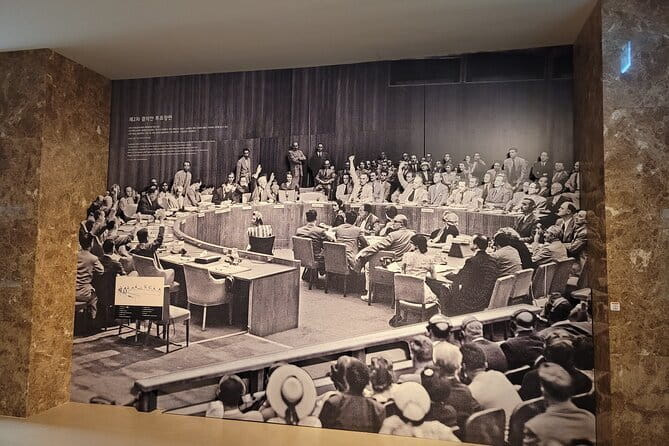
The Korean War’s story runs from Korea’s division after liberation to a ceasefire that left the peninsula split. This two-hour private tour at the War Memorial of Korea follows that arc, including the war’s changing phases and the birth of the DMZ.
I like two things here: the one-group format, which gives you room to ask questions, and a guide’s extra pictures and document copies, which can help explain what the museum’s displays leave out. Guides such as Kichan Lee bring a background in Korean history, peace activism and DMZ tours.
The main consideration is pace. Two hours is a useful introduction, but the subject is broad and politically complex; if you want to examine every display or go beyond the museum, you may need more time or a separate tour.
Key points to know before you book
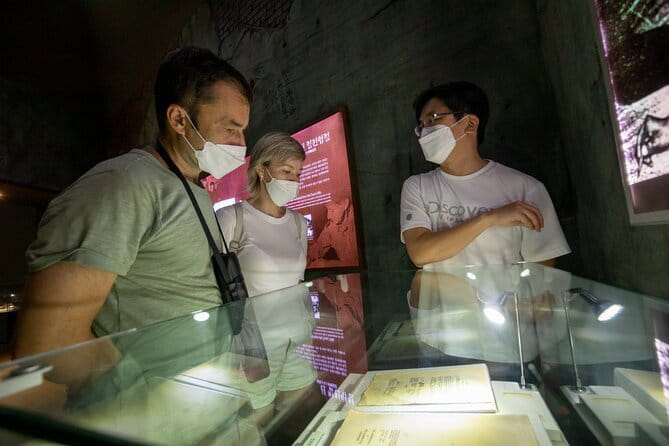
- Three Korean War Rooms: The guided visit focuses on Rooms I–III at the War Memorial of Korea.
- A story with a clear timeline: Topics include Korea’s division after liberation, the war’s four stages, the armistice and the creation of the DMZ.
- Private for up to five: Your group gets the guide’s attention and can shape the conversation with questions.
- A peace-focused perspective: The tour treats the conflict as both a civil and international war, with attention to its human and social costs.
- Extra materials add context: Expect pictures and copies of documents alongside the museum’s exhibitions.
- Two hours for $100 per group: The price covers a professional English-speaking guide and fees and taxes; tips are not included.
A focused way into Korea’s modern history
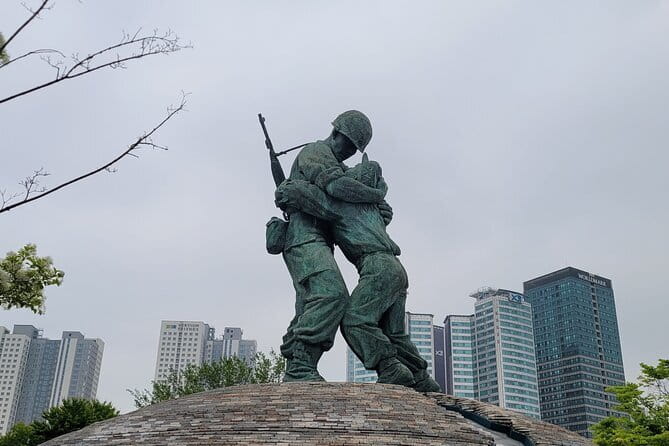
The War Memorial of Korea is a large subject to take on without a guide. The Korean War Rooms present key events, but dates and military developments make more sense when you can connect them to the political split that came before and the division that remains. This tour aims to supply that thread.
Its starting point is Korea after liberation and the formation of South and North Korea. From there, the guide explains the origins and background of the war, then traces four stages of the conflict before turning to the armistice and the establishment of the DMZ. That structure is useful because it keeps the visit from becoming a string of disconnected battles and names.
The tour also frames the war as both a civil conflict and an international one. That distinction matters: the story is not only about opposing forces, but also about a divided society and the involvement of outside powers. A guide can help you consider those layers while looking at the museum’s displays.
The advertised approach includes stories and context that the museum’s exhibitions do not cover. That does not mean the guide replaces the museum. Rather, the added explanation can help you understand how the exhibits fit together and where a museum display may leave questions open.
More private tours in Seoul:
- Private DMZ Tour (No Shopping): 3rd Tunnel & Suspension Bridge
★ 5.0 · 607 reviews - Seoul City Private Full-Day Tour Including Lunch
★ 5.0 · 469 reviews - Private DMZ the 3rd Tunnel Tour from Seoul (optional Red Bridge)
★ 5.0 · 429 reviews
Rooms I–III: the heart of the visit
The two-hour itinerary centers on the Korean War Rooms I–III, described as the War Memorial’s main highlights for this subject. You spend the visit in one museum, rather than using time to travel between separate sites. For a short stay in Seoul, that makes the tour an efficient way to get a guided introduction.
Expect the guide to lead you through the displays while explaining the conflict’s background, development and aftermath. The exact order and amount of time at each display are not specified, so it is best to think of this as a guided overview rather than a promise to cover every object or panel.
The value is in having someone connect the exhibits to a larger timeline. On your own, it is easy to focus on military facts and miss the social and political context. With a guide, you can pause to ask how events relate to Korea’s division, what changed as the war progressed, and what the armistice meant for the peninsula.
The extra pictures and copies of documents are another practical feature. They offer additional material to consider alongside what is on view. The precise items are not listed, so do not expect a particular document or a set of take-home materials. Their stated purpose is to support the explanation.
A civil war, an international war, and a divided peninsula
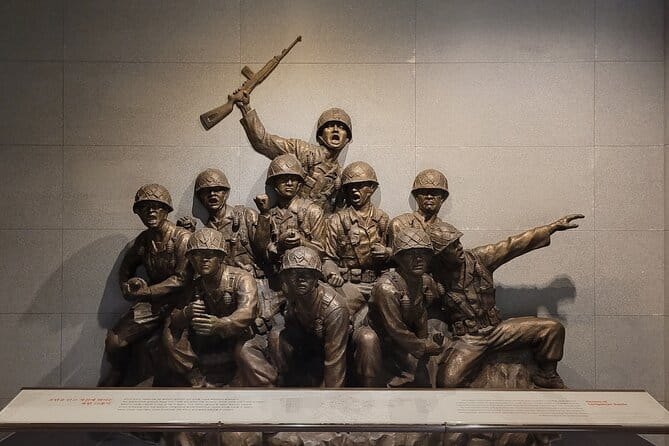
The tour’s peace-focused perspective is one of its most useful features. It presents the Korean War as a civil and international conflict, which encourages you to look beyond a simple account of one side against another. The guide also addresses the human and social cost of the war, an important part of understanding why the conflict still matters.
Political subjects can bring competing accounts and strong claims. A guide who can explain the distinction between propaganda and historical fact is valuable, especially if you arrive with questions or only a sketch of the war’s timeline. Kichan Lee is praised for clear answers and for discussing history and politics in a way that is easy to follow. The key benefit is not a claim that every question has a single simple answer, but the chance to ask and discuss the evidence and context.
The guide’s background is also relevant to the tour’s focus. The guides are described as PhD students with expertise in Korean history, peace activism and DMZ tours. That combination suits a visit that moves from the origins of the war to the armistice and the border that followed.
Still, two hours can only take you so far. The war spans a wide range of events, and the topic is complex. If you are already well versed in Korean history, you may want to ask in advance whether the guide can tailor the discussion to a more specialized interest. The private format makes questions possible, but the tour’s overall scope remains a two-hour museum visit.
The armistice and the making of the DMZ
The tour’s final part connects the war to the armistice and the birth of the DMZ. This is a useful ending because it links the museum visit to a place and political reality that remain part of present-day Korea. Rather than stopping at the end of active fighting, the explanation follows the consequences of the armistice.
The tour is not itself a DMZ visit. It takes place at the War Memorial in Seoul, and the stated itinerary ends at the museum. If you want to see the border area, you would need to arrange a separate excursion. One person who took this museum tour later booked a private DMZ tour with the same guide, suggesting that the two experiences can work well in sequence, but they are separate activities.
That distinction helps set expectations. This tour gives you background that can make a later DMZ visit more meaningful; it does not take you to the DMZ or promise access to particular border sites. If you have limited time, the museum tour alone still provides a structured account of how the armistice and division fit into the broader story.
More guided tours in Seoul:
- Seoul: Night Market Food Tour with Local Guide
★ 4.9 · 943 reviews - DMZ Guided Tour with Suspension Bridge / Gondola from Seoul
★ 5.0 · 876 reviews - Downtown Seoul Guided Food & Market Tour with 8+ Local Tastings
★ 5.0 · 580 reviews - Seoul: DMZ Guided Tour with Suspension Bridge and Gondola
★ 4.9 · 553 reviews
Private guiding and the value of $100
The price is $100 per group of up to five people, not $100 per person. For a couple or small family, that means you share the cost while having a private guide. For one person, the full group price is a larger outlay, so the value depends on how much you want expert context and the freedom to ask questions.
The fee includes a professional English-speaking guide, all fees and taxes, and the guided visit. Tips are not included. The museum admission ticket is listed as free, so the guide’s service and explanation are the central value, rather than a bundled ticket or transportation.
A private tour can be especially worthwhile when the subject is difficult to piece together from displays alone. You can ask for clarification, spend more attention on the topics that matter to you, and avoid sharing the guide with a larger group. The tour lasts about two hours, so you also get a defined introduction without setting aside a full day.
This is not the cheapest way to see the museum if you are content to read the exhibits independently. It is a better buy if you want the history explained in English, a peace-focused account, and a chance to discuss how the war began and what followed. For a group of five, the per-person cost is comparatively modest; for a solo visitor, it is a more deliberate choice.
Meeting, timing, and practical details
The tour starts at 8-66 Yongsan-dong 1(il)-ga in Seoul’s Yongsan District and ends in the lobby of the War Memorial of Korea, at 29 Itaewon-ro. The venue is near public transportation. Check your confirmation for the exact meeting instructions, and allow enough time to find the guide inside the museum if you arrive late. One late arrival was able to join after the guide shared their location, but that is not a reason to plan on running behind.
The activity is private, with only your group participating. It is about two hours long, and confirmation is provided at booking. A mobile ticket is offered. The stated physical fitness level is moderate, and service animals are allowed.
Bookings are made, on average, 32 days ahead. That is a useful planning clue, not a guarantee that a particular date will sell out. The cancellation terms allow a full refund if you cancel at least 24 hours before the start time. Changes made within 24 hours are not accepted, and late cancellations are not refunded.
Who will get the most from this tour
I would consider this tour if you want a guided introduction to the Korean War before visiting the DMZ, or if the museum’s displays feel like too much to interpret alone. It also suits anyone who wants to understand the conflict as more than a sequence of military events, with attention to Korea’s division, the social cost of war and the lasting armistice.
The private format is a good fit for families or small groups with different levels of background knowledge. You can ask basic questions without feeling you are holding up a crowd, or follow a more focused discussion if you already know the broad outline. The guide’s English-language explanation is particularly valuable for visitors who do not want to rely on exhibit text alone.
If you mainly want to wander the museum at your own pace, prefer a short self-guided visit, or are looking for an actual trip to the DMZ, this is not the right match. It is a focused museum tour, not a border excursion. The subject can also be emotionally and politically weighty, so it may suit you better if you are prepared to spend two hours thinking about conflict and its consequences.
Should you book it?

Book this tour if you want the War Memorial’s Korean War Rooms explained by a guide who can connect the displays to Korea’s division, the armistice and the DMZ. The private format, added documents and pictures, and peace-focused approach make the $100 group price reasonable for up to five people who value context.
Skip it if you would rather explore independently or need a tour that physically visits the DMZ. If you do book, arrive on time with a few questions in mind. The most useful part may be the chance to ask what the displays alone cannot answer.
FAQ
How long is the Korean War Memorial Private Guided Tour?
The tour lasts about two hours.
Where does the tour take place?
It takes place at the War Memorial of Korea in Seoul, focusing on Korean War Rooms I–III.
What is the meeting address?
The start address is 8-66 Yongsan-dong 1(il)-ga, Yongsan District, Seoul. The tour ends in the museum lobby at 29 Itaewon-ro, Yongsan District.
Is this a private tour?
Yes. Only your group participates, with a maximum group size of five.
What does the tour cost?
It costs $100 per group of up to five people.
Is the guide English-speaking?
Yes. A professional English-speaking guide is included.
What topics does the guide cover?
The tour covers Korea’s division after liberation, the origins and background of the war, four stages of the conflict, the armistice and the creation of the DMZ.
Are museum admission and guide fees included?
All fees and taxes are included, and the museum admission ticket is free. Tips are not included.
Can I cancel for a refund?
You can receive a full refund if you cancel at least 24 hours before the experience’s start time. Cancellations made later are not refunded.
Latest reviews from Seoul
- From Seoul: Hwacheon Ice Fishing and Lighting Festival Tour★ 4.5 · 4 reviews
- Unique Native Experience : Han River Picnic, Board game, BBQ★ 5.0 · 3 reviews
- You’re Invited to Our Home in Seoul: The Only Cooking Class!★ 5.0 · 8 reviews
- Seoul: Gangneung BTS K-Pop & K-Drama Filming Locations Tour★ 4.6 · 14 reviews
- Yun Korean Cooking Class in Seoul★ 5.0 · 6 reviews
- 2-Hour Private Kayaking and Paddleboarding Experience in Hanriver★ 5.0 · 3 reviews
- Day Trip to Yongin Daejanggeum and Korean Folk Village from Seoul★ 4.0 · 9 reviews
- K-Pop Making Class with a Producer!★ 5.0 · 3 reviews
Seoul Private Tours, compared.
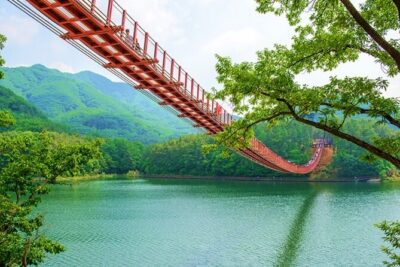
Private DMZ Tour (No Shopping): 3rd Tunnel & Suspension Bridge
Read our review →
Seoul City Private Full-Day Tour Including Lunch
Read our review →
Private DMZ the 3rd Tunnel Tour from Seoul (optional Red Bridge)
Read our review →
Seoul Highlights & Hidden Gems Tours by Locals: Private + Custom
Read our review →
Premium Private DMZ Tour & (Suspension Bridge or N-Tower) include lunch
Read our review →
Flexible Private Guided Tour in Seoul (Optional Incheon Layover)
Read our review →

Full-day Customizable Private Seoul Highlight Tour
Read our review →Browse the lists this tour appears in