
Reviewed · SEOUL PALACE TOURS
Seoul Palace Morning Tour
Gyeongbokgung Palace is the heart of this three-hour Seoul morning tour: you’ll see its throne hall, royal living quarters and banquet pavilion, then reach Gwanghwamun Gate for the changing of the guard. I like the mix of royal history and a working Buddhist temple, and the included hotel pickup makes a short morning easier to manage. The main trade-off is the ginseng-center stop, which can take time away from the sights.
At a glance
- Jogyesa’s old trees: See two notable trees near the temple’s main hall, including a baeksong designated as a Natural Monument.
- Gyeongbokgung’s royal rooms: Visit the throne hall, the king’s office and living quarters, the queen’s quarters, and the banquet pavilion.
- Blue House drive-by: View the landmark from the vehicle. The tour does not stop there.
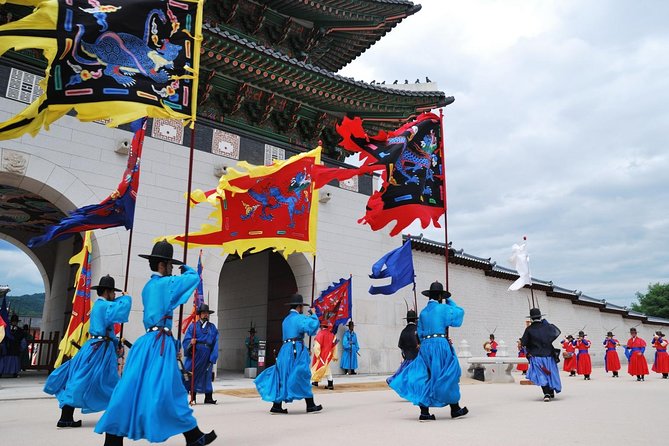
- Guard ceremony finale: The tour returns to Gwanghwamun Gate for the royal changing-of-the-guard ceremony.
- City Hall drop-off: Hotel pickup is included, but the tour ends near City Hall, not back at your hotel.
- Ginseng-center stop: Shopping is part of the route, so this is not a sightseeing-only tour.
A useful first morning in Seoul
This tour brings together several central Seoul sights in a compact route: Jogyesa Buddhist Temple, Gyeongbokgung Palace, the National Folk Museum and Gwanghwamun Gate. At about three hours, it is a practical introduction if you want a guide to connect the places to Korean religious and royal history without spending a full day on a group outing.
I’d think of it as an orientation, not an exhaustive palace visit. The group can be as large as 30, and the pace needs to keep everyone moving. You’ll see a useful set of highlights, but you may not have time to linger over every building or display.
The tour costs $40 per person and includes a guide, air-conditioned transport, hotel pickup and entrance fees. That is reasonable value if you use the pickup and want the palace visit explained as you go. The value is less clear if you prefer to explore at your own pace or would rather spend the whole morning at the palace.
More palace tours in Seoul:
- Seoul: Gyeongbok Palace, Bukchon Village, and Gwangjang Tour
★ 4.9 · 2,321 reviews - Best Seoul City Tour (Gyeongbokgung Palace,Insadong,Namsan Tower)
★ 5.0 · 1,647 reviews - Small-Group Royal Palace and Seoul City Tour (hotel pick-up)
★ 5.0 · 1,474 reviews
Jogyesa: temple grounds and old trees
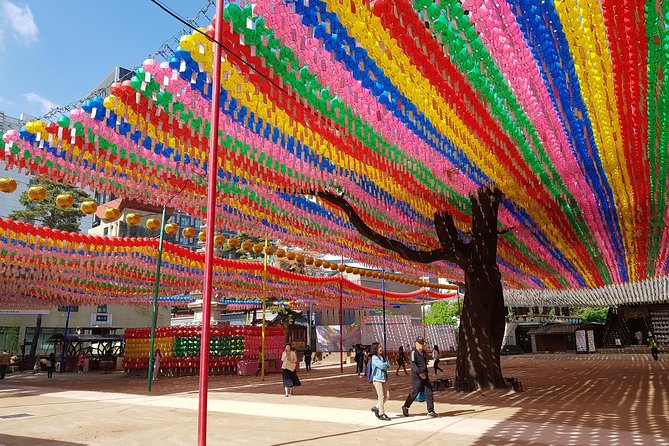
The first stop is Jogyesa, described as a center of Korean Zen Buddhism. The temple offers a different point of entry into Seoul’s heritage than the royal buildings that follow: this is an active religious site, with the Daeungjeon, or main hall, at its center.
Look for the locust and baeksong trees in front of the hall. The tour information dates them to about 500 years old and identifies the baeksong as a Natural Monument. The hall itself was built in 1938, and its painted decoration makes it an immediate visual contrast with the trees and the stone pagoda standing in front.
The seven-storey pagoda is said to contain Jinsinsari, sacred relics. Your guide can give context that helps you understand what you’re looking at, rather than treating the temple as just a quick photo stop. Still, this visit is brief within a three-hour itinerary, so don’t expect a long period for quiet exploration.
As with any religious site, be considerate of worshippers and follow your guide’s direction. The tour description does not set out specific dress rules or time for private meditation, so plan on a guided visit rather than an extended temple stay.
The Blue House: a view from the road
On the way to Gyeongbokgung, the vehicle passes the Blue House, a prominent government residence associated with South Korea’s president. This is a drive-by, not a stop. The tour notes that security rules prevent the group from stopping in front of the building.
That distinction matters if you are booking mainly to see the Blue House. You’ll get a view from the vehicle, but not time to walk around, take your own close-up photographs or hear a full explanation on site. Treat it as a brief landmark along the route, not a separate visit.
Gyeongbokgung: the main event
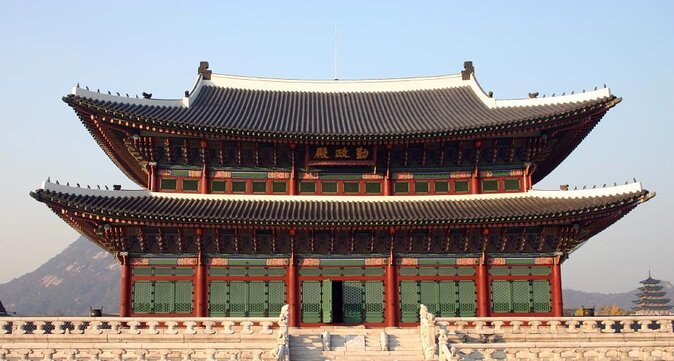
Gyeongbokgung served as the main palace during the Joseon Dynasty, which lasted about five centuries. It is the biggest and most substantial stop on the itinerary, and the guide leads you through several key buildings rather than leaving you to work out the palace’s layout on your own.
The route includes Geunjeongjeon, the main throne hall, where the king conducted formal affairs of state. From there, you’ll see Sajeongjeon, the king’s office, and Gangnyeongjeon, his living quarters. The sequence gives you a simple way to picture palace life: public duties had their own rooms, separate from the king’s private space.
You’ll also visit Gyotaejeon, the queen’s living quarters, and Gyeonghoeru, the pavilion used for formal banquets with foreign envoys. Gyeonghoeru is a good reminder that a palace was not only a residence. It was also a stage for ceremony and diplomacy.
The listed rooms and buildings make this a stronger choice for anyone who wants more than an exterior view of the palace. Entrance fees are included, so you do not need to arrange admission separately. But the itinerary covers several sites in limited time, and the group size can reach 30. If you want to study the architecture at length, return independently after the tour or set aside a separate visit.
Pace is worth considering. A few people have found the tour too rushed, with explanations moving faster than they could take in the sights. That is a real risk on a tightly timed group route. If you like to stop often, take detailed photographs or read every display, this format may feel brisk. If you mainly want a guided overview of the palace’s most important spaces, the schedule makes more sense.
More Seoul tours and experiences:
- Best DMZ Tour Korea from Seoul (Red Suspension Bridge Optional)
★ 5.0 · 41,422 reviews - DMZ Tour: 3rd Tunnel, Option(Suspension Bridge, Boat) from Seoul
★ 5.0 · 21,373 reviews - DMZ tour south Korea from Seoul (NK experience hall, defector)
★ 5.0 · 20,599 reviews - Seoul: DMZ Tour with Optional Suspension Bridge
★ 4.8 · 5,277 reviews
National Folk Museum: everyday culture
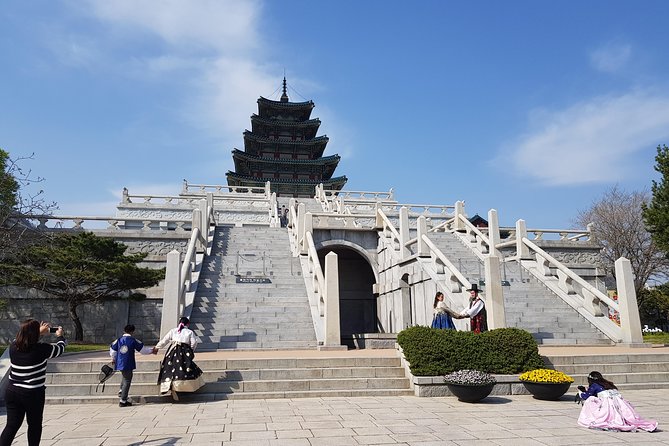
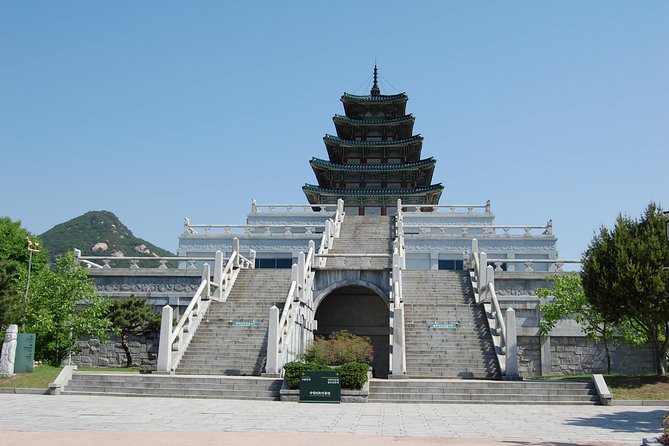
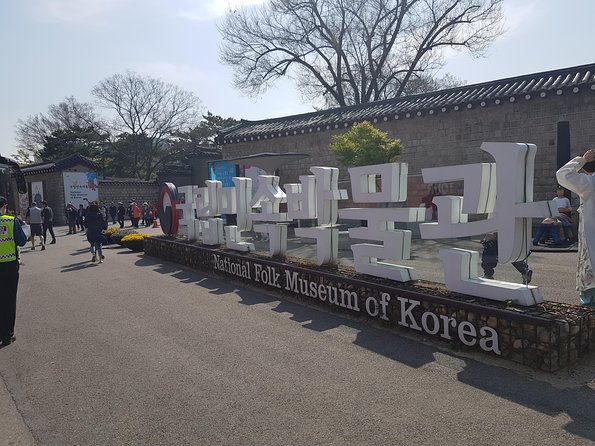
The Korean National Folk Museum is part of the Gyeongbokgung complex and shifts the focus from kings and court life to daily customs and traditional Korean life. Its displays are intended to help visitors understand how people lived, not only how the royal household functioned.
That makes it a useful counterweight to the palace buildings. You get a wider sense of the society behind the dynasty, with a chance to connect court history to everyday culture. The tour information does not specify which galleries or exhibits are visited, so don’t count on covering the museum in depth during this stop.
If the museum interests you, note its location within the palace grounds and consider whether you want to return later on your own. A guided morning can introduce the place, but a short group visit is rarely the same as having time to follow your own questions.
Gwanghwamun Gate and the guard ceremony
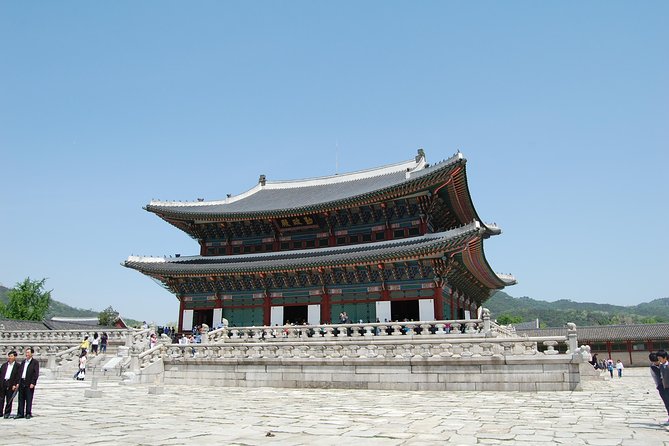
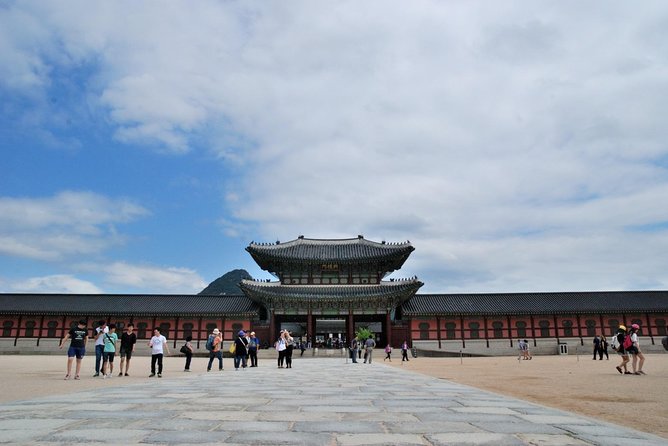
The tour heads back to Gwanghwamun Gate, the south gate of Gyeongbokgung, for the changing of the guard ceremony. This is the most event-like part of the morning: rather than simply looking at another palace building, you see a formal display tied to royal tradition.
The ceremony is a highlight for many people, and the gate gives the palace a dramatic finish. But ceremonies run on their own schedule, and the tour information does not promise a particular duration or viewing position. Keep your expectations flexible, especially if your main reason for booking is the ceremony itself.
The tour ends in the City Hall area, which is close to other central attractions. That makes the final stop useful if you want to continue sightseeing or find lunch nearby. It also means you need a plan for getting back to your hotel or onward to your next stop.
The ginseng-center stop: decide how you feel about shopping
There is one shopping-center stop, at a ginseng center, before the tour ends. It is the least appealing part of the schedule for anyone who wants a pure history outing. Some people are happy to browse, while others would rather use that time for the palace or museum.
The stop is part of the experience, not an optional side trip described as separate from the tour. One concern to keep in mind is that the shopping visit can feel long compared with the time spent at the sights. If you have no interest in buying ginseng, go in knowing that you may be waiting while others browse.
This is not a reason to rule out the tour automatically, especially at $40 with transport and entrance fees included. But if you strongly dislike retail stops on guided tours, you may prefer to visit the palace independently or choose an itinerary without shopping.
Guide, transport and group pace
A professional guide and driver are included, along with an air-conditioned vehicle. Hotel pickup is offered in the morning, with the scheduled start time listed as 9 a.m. Pickup can save you the trouble of finding the first meeting point, though you should confirm your exact pickup time and location with the operator before tour day.
The tour is shared, with a maximum group size of 30. That is a sizeable group for a palace visit. It can make the transport efficient, but it may also mean you need to stay close to the guide and keep pace between buildings. Some people have found the explanations too fast, while others have valued having stories, practical help and photo assistance along the way.
Chloe is one guide who has been named in connection with the tour. The guide on your date may be someone else, so don’t book on the assumption that you’ll have a particular person. A good guide can make the historical stops much easier to follow, but the actual experience depends on the guide, group pace and how much time each stop allows.
The tour does not include hotel drop-off. It finishes at City Hall, so factor in the return journey when planning the rest of your day. You may find that convenient if you want to keep exploring central Seoul, but it is less convenient if you expect a round trip to your hotel.
Is $40 good value?
At $40, the price covers the guide, driver, air-conditioned vehicle, hotel pickup and entrance fees. For a short, guided introduction to several central sights, that package can be worthwhile, especially if you’re new to Seoul and want someone else to handle the route and explain what you’re seeing.
The key question is how you value structure. You pay for convenience and commentary, not a slow, self-directed palace visit. The ginseng-center stop and the City Hall drop-off are part of the trade. If those suit your plans, the price is fair. If you want to spend the morning only at Gyeongbokgung and the museum, independent sightseeing may give you better control over your time.
This tour is family-friendly, and most people can participate. It lasts about three hours, which can work well if you have limited time or want to keep the day open. It is also commonly booked around 20 days in advance, so planning ahead is sensible if your dates are fixed.
Should you book the Seoul Palace Morning Tour?
Book it if you want a guided overview of Jogyesa and Gyeongbokgung, appreciate included transport and entry, and are comfortable with a brisk group schedule. The palace’s royal halls, the Folk Museum and the guard ceremony make a strong morning introduction, while the City Hall finish leaves you well placed to carry on exploring.
Skip it if you want an unhurried palace visit, dislike shopping stops or expect to be returned to your hotel. Before booking, confirm pickup details and remember that the Blue House is viewed from the vehicle, not visited on foot. If those limits fit your plans, this is a practical way to connect several important Seoul sights in one morning.
FAQ
How long is the Seoul Palace Morning Tour?
It lasts approximately three hours.
What time does the tour start?
The listed start time is 9 a.m.
Is hotel pickup included?
Yes. Hotel pickup is included, but you should confirm your exact pickup time and location with the operator.
Does the tour return to my hotel?
No. The tour ends at City Hall in Seoul, and hotel drop-off is not included.
Which places does the tour visit?
The route includes Jogyesa Temple, Gyeongbokgung Palace, the Korean National Folk Museum and Gwanghwamun Gate. The Blue House is viewed from the vehicle.
Are entrance fees included?
Yes. The tour includes entrance fees for the attractions on its route.
Is the changing of the guard included?
The tour returns to Gwanghwamun Gate to see the royal changing-of-the-guard ceremony.
Does the tour include a shopping stop?
Yes. One stop at a ginseng center is included.
How large can the group be?
The tour has a maximum group size of 30 people.
Latest reviews from Seoul
- From Seoul: Hwacheon Ice Fishing and Lighting Festival Tour★ 4.5 · 4 reviews
- Unique Native Experience : Han River Picnic, Board game, BBQ★ 5.0 · 3 reviews
- You’re Invited to Our Home in Seoul: The Only Cooking Class!★ 5.0 · 8 reviews
- Seoul: Gangneung BTS K-Pop & K-Drama Filming Locations Tour★ 4.6 · 14 reviews
- Yun Korean Cooking Class in Seoul★ 5.0 · 6 reviews
- 2-Hour Private Kayaking and Paddleboarding Experience in Hanriver★ 5.0 · 3 reviews
- Day Trip to Yongin Daejanggeum and Korean Folk Village from Seoul★ 4.0 · 9 reviews
- K-Pop Making Class with a Producer!★ 5.0 · 3 reviews
Seoul Palace Tours, compared.
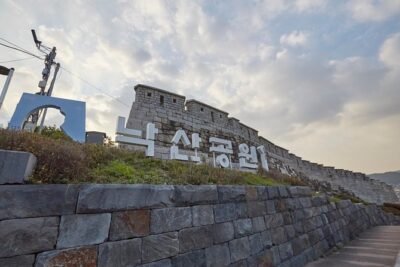
Gyeongbok Palace, Bukchon Village, and Gwangjang Tour
Read our review →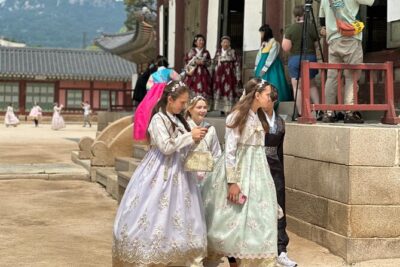
Best Seoul City Tour (Gyeongbokgung Palace,Insadong,Namsan Tower)
Read our review →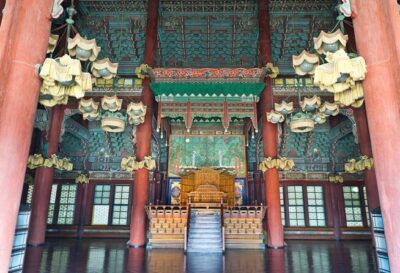
Small-Group Royal Palace and Seoul City Tour (hotel pick-up)
Read our review →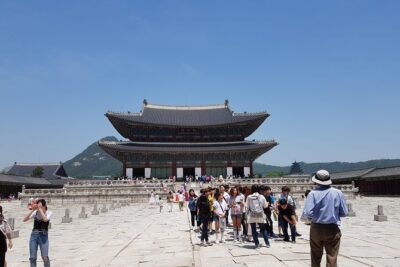
Seoul City Sightseeing Tour Including Gyeongbokgung Palace, N Seoul Tower, and Namsangol Hanok Village
Read our review →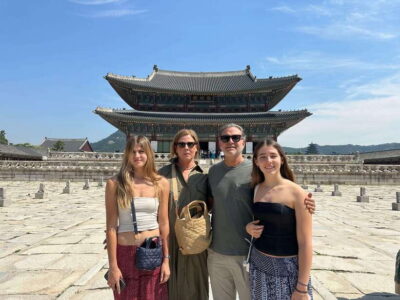
Seoul Highlights: Gyeongbok Palace, Insadong & N Seoul Tower
Read our review →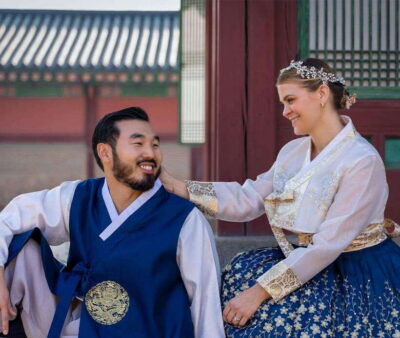
Seoul City Half Day Tour-Gyeongbok Palace Guard Changing Ceremony
Read our review →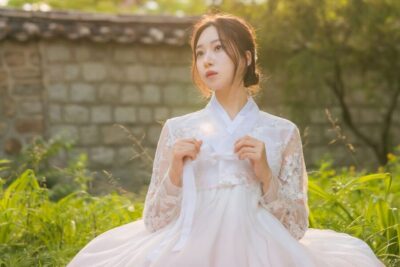
Browse the lists this tour appears in