
Reviewed · DMZ TOURS
Seoul: Half-Day DMZ Tour Led by a Retired Military Officer
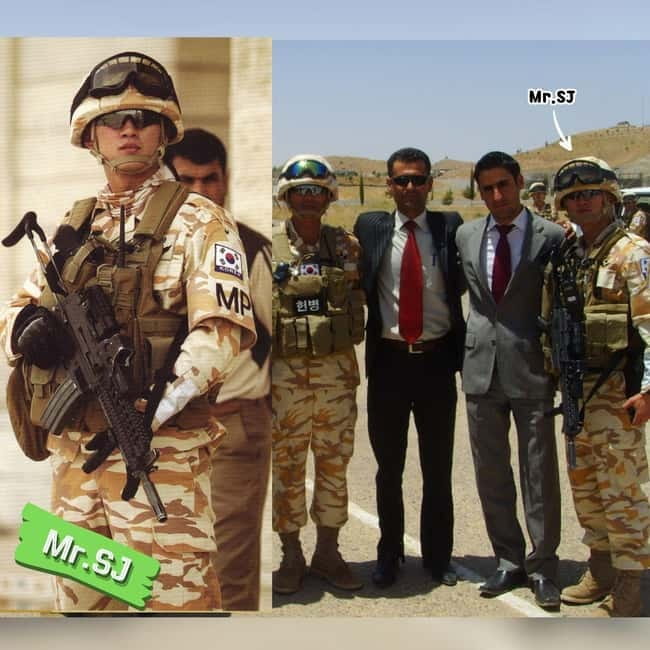
The most revealing part of this DMZ trip may be the guide beside you. Retired South Korean officers such as Eddie, SJ, Tiger, and Jason explain the border through both history and their own service, then take you into the Third Infiltration Tunnel, built by North Korea as a route for a possible attack.
I like two things in particular: the guide’s lived experience gives the military sites human context, and the tour chooses either Odusan or Dora Observatory based on which offers the clearest view that day. One practical catch: the tunnel is a strenuous walk, with steep sections and low ceilings, so it is not a good fit if mobility is limited.
At a glance
- A guide who served: Retired officers bring personal experience of the DMZ and South Korean military service to the explanations.
- One observatory, chosen for visibility: The group visits either Odusan or Dora, with the choice based on current viewing conditions.
- A walk inside Tunnel 3: Expect a steep route and stretches where you must crouch.
- Imjingak’s memorial sites: See the Freedom Bridge, a steam locomotive, and Mangbaedan Altar, all tied to division and separated families.
- Six hours, with military variables: Transport and DMZ admission are included, but access, weather, and traffic can affect the day.
- Bring your passport: It is required for entry, and large bags are not allowed.
Why a retired officer changes the DMZ visit

The Demilitarized Zone is not just a line on a map. It is a guarded military area shaped by a war that ended in an armistice, not a peace treaty. A guide who served in or near this zone can explain what the checkpoints, watchful routines, and border landmarks mean beyond their place in a history lesson.
The available guides bring different experience. SJ served as a Special Forces major and Iraq veteran in the 707 Special Mission Battalion. Tiger was an artillery battalion commander with 20 years of front-line service. Jason spent 31 years in South Korean intelligence and retired as a lieutenant colonel. Eddie is an infiltration tunnel specialist who led security operations there and briefed senior Korean and U.S. officials.
You cannot choose a particular guide in advance, so think of those names as examples of the experience the team brings, not a guarantee of who will lead your departure. The value is in the combination of clear historical explanation and firsthand perspective. Guides have been praised for keeping the group engaged, making complicated events understandable, and answering questions without turning the bus ride into a lecture.
That personal element matters most when the tour moves from dates and military boundaries to the people affected by division. At Imjingak, for instance, your guide can connect memorials to separated families and the ongoing hopes for reunification. Expect a serious subject, but not necessarily a solemn six hours: the guides also use humor and stories to keep the pace human.
More DMZ tours from Seoul:
- Best DMZ Tour Korea from Seoul (Red Suspension Bridge Optional)
★ 5.0 · 41,422 reviews - DMZ Tour: 3rd Tunnel, Option(Suspension Bridge, Boat) from Seoul
★ 5.0 · 21,373 reviews - DMZ tour south Korea from Seoul (NK experience hall, defector)
★ 5.0 · 20,599 reviews
The observatory choice: Odusan or Dora

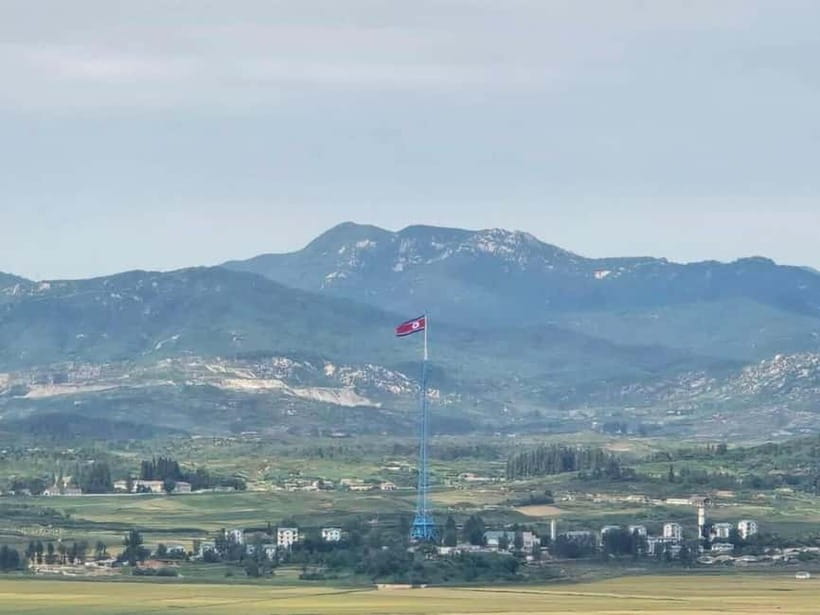
A key promise of the tour is a view toward North Korea. The operator checks conditions on the day, using security-camera views and information from local observatory staff, then chooses Odusan or Dora Observatory for the clearest outlook. That is a sensible way to handle a view that depends on weather and visibility.
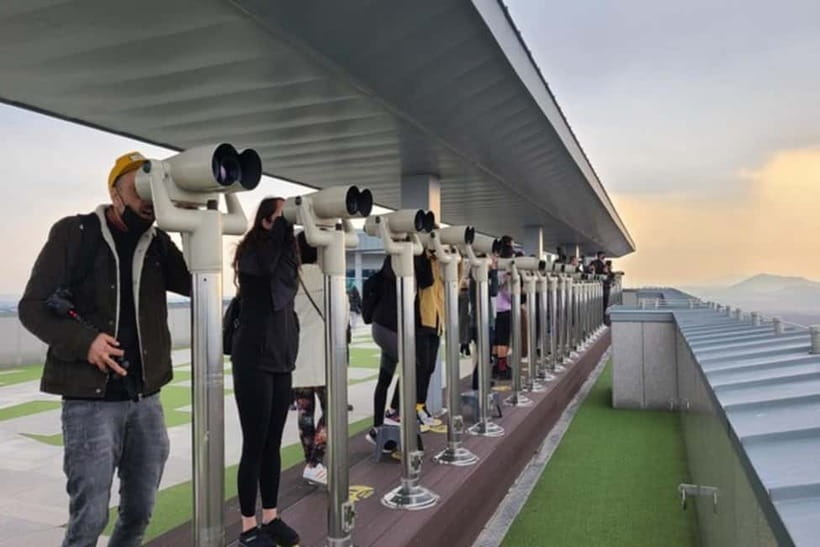
At the observatory, you can look across the border and use binoculars to study the view. On a clear day, the sightline can make the division feel startlingly close. On a hazy or cloudy day, the view may be limited, so keep your expectations flexible. You are visiting an active border region, not buying a guarantee of perfect visibility.
The observatory is a highlight for many people because it makes the geography tangible. It is one thing to hear about the divide in Seoul; it is another to stand at a designated viewing point and look toward North Korea. Still, the view is only part of the visit. The guide’s explanation helps you understand what you are seeing and why the border remains so heavily controlled.
The itinerary information names both observatories, but the day’s plan describes a choice between them. Do not assume you will visit both. The tour also starts at a designated meeting point that varies with the option booked, so check your specific departure details before setting out.
Walking through the Third Infiltration Tunnel
The Third Infiltration Tunnel is the tour’s most physical stop, and often its most memorable. North Korea built the tunnel beneath the border as a possible invasion route. You walk down into it and then back out, following a route that can feel steep and demanding.
Prepare for low ceilings. Much of the walk inside requires you to crouch, and the climb back up takes effort. Review the route honestly against your fitness and mobility: the experience is not suitable for people with mobility impairments, and one guide has advised skipping it if steep hills are difficult for you. Comfortable shoes are essential.
The tunnel’s importance comes from what it reveals about the military tension beneath an apparently quiet landscape. Eddie’s background in tunnel security gives this stop particular force when he is leading the group, though the guide assigned to your tour may differ. You can ask how the tunnel was discovered and what its construction meant for security on the southern side.
This is not a polished museum attraction. It is a confined passage with a physically challenging approach, and the experience can be uncomfortable if you dislike tight spaces or crouching. But for visitors who can manage the walk, entering the tunnel brings the history out of the textbook and into your legs, shoulders, and breathing.
Imjingak, the Freedom Bridge, and Mangbaedan

Imjingak Park offers a change of pace after the military sites. Its landmarks reflect the human cost of division, including the Freedom Bridge, a steam locomotive, and Mangbaedan Altar. The tour passes through the park with a guide, giving you a chance to see these symbols while hearing about their connection to the divided peninsula and separated families.
Mangbaedan is associated with people who cannot return to their ancestral homes in the North. The Freedom Bridge and the locomotive likewise carry meaning beyond their physical form: they recall the movement of people and the barriers that later separated them. Your guide’s stories can help make these places more than a quick photo stop.
The schedule allocates time across several nearby sights, but the exact pace can shift with military access and the day’s running order. There is a balance between guided context and time to look around. If you want to linger over every display or read each sign at length, a group tour may feel brisk.
Unification Village is also included in the tour description. Taken together, these stops show a different side of the DMZ visit: not only military defenses and tunnels, but also ordinary lives shaped by a border that remains in place.
More half-day tours in Seoul:
- Half-Day South Korea DMZ Small-Group Tour from Seoul
★ 5.0 · 43 reviews - Korean Folk Village Half-day Guided Tour from Seoul
★ 5.0 · 13 reviews
The bus ride, timing, and moving parts
The tour lasts about six hours, with round-trip transport from Seoul included. The day generally involves about an hour on the bus each way, plus time at the observatory, the tunnel, and Imjingak. Some published stop durations overlap, so treat the overall six-hour estimate as a guide rather than a promise that every stop will run to the minute.
Expected drop-off times are around 2:00 to 2:30 p.m. at Hongik University Station and 2:30 to 3:00 p.m. at Myeongdong Station. The actual time can shift with traffic, weather, and military permission to enter the DMZ. The group uses a bus designated by the Korean military while inside the controlled area, so the schedule is not entirely in the tour operator’s hands.
A few practical rules are worth taking seriously. Every person needs a valid passport to access the DMZ. Do not bring luggage or large bags, and arrive on time: the group cannot simply wait if someone is missing a required document or has wandered off.
The DMZ can close suddenly without notice. If access is cancelled, an alternative tour is provided, but the tour terms state that there will be no refund in that situation. That is a real limitation, not fine print to skim past. The observatory or another site may also be replaced because of maintenance or weather.
Is $57 good value?
At $57 per person, the price includes a guide, round-trip Seoul transport, DMZ admission, and the guided walk in the Third Tunnel. That is a solid package for a half-day visit to a controlled border area, where independent access is not the point. You also get the value of a guide who can interpret the sites rather than leave you to piece the history together on your own.
Lunch and travel insurance are not included. Plan to eat before or after the trip, or bring a small snack if allowed by the day’s arrangements. The tour description notes that there are opportunities for restrooms and snacks during the outing, but the schedule is still compact.
A private group option is available. Only the private option includes an afternoon visit to the War Memorial of Korea in Yongsan. That extension may suit you if you want more context on the Korean War, but it is a different proposition from the $57 half-day group experience. Free hotel pickup is included for groups of 10 or more; otherwise, pickup is optional and limited to the Seoul area.
The tour’s strong point is not luxury or leisurely pacing. It is getting you to several meaningful sites, handling transport and access, and giving you a guide who can answer questions from lived experience. If those are your priorities, the price makes sense.
Who should book this tour?

I would choose this tour if you want to understand the DMZ through both its history and its present-day military reality, and if you are comfortable with a structured group schedule. It is especially suited to curious visitors who want to ask questions, families with older children interested in history, and anyone who values personal testimony alongside facts.
The experience is less suited to anyone who wants a slow day, has difficulty with steep walking, or cannot comfortably crouch through a low tunnel. It is also a poor match if you need a guaranteed clear view of North Korea or a fixed return time. The military can change access, and weather can obscure the view.
Come prepared with your passport, sturdy comfortable shoes, and clothing appropriate for the day’s weather. The group gets a lot into six hours, and the tunnel takes more effort than its name might suggest. If you can manage those conditions, this is a practical, thought-provoking way to see the border region with context from people who served there.
My call: Book it if the tunnel, the observatory, and the guide’s personal military perspective all appeal to you. Skip it if mobility or enclosed spaces are a concern, or if your schedule cannot absorb delays.
FAQ
How long is the tour?
The tour is listed as six hours. Return times can change because of traffic, weather, or military permission to enter the DMZ.
What is the price?
The listed price is $57 per person. It includes the guide, round-trip transfer from Seoul, DMZ admission, and the guided walk in the Third Tunnel.
Which observatory will I visit?
The tour visits either Odusan or Dora Observatory. The choice is made on the day based on which location is expected to offer the clearest view of North Korea.
Do I need to bring my passport?
Yes. Every participant must bring a valid passport to access the DMZ.
What should I wear or bring?
Bring comfortable shoes and your passport. The Third Tunnel includes steep walking and low sections where you may need to crouch.
Can I bring luggage?
No. Luggage and large bags are not allowed.
Is the tour suitable for people with mobility impairments?
No. The tour is listed as unsuitable for people with mobility impairments, and the Third Tunnel walk is physically demanding.
Is lunch included?
No. Lunch is not included, and travel insurance is also excluded.
What happens if the DMZ closes on the day?
The DMZ may close without notice. If that happens, an alternative tour will be provided, but no refund will be offered.
Latest reviews from Seoul
- From Seoul: Hwacheon Ice Fishing and Lighting Festival Tour★ 4.5 · 4 reviews
- You’re Invited to Our Home in Seoul: The Only Cooking Class!★ 5.0 · 8 reviews
- Unique Native Experience : Han River Picnic, Board game, BBQ★ 5.0 · 3 reviews
- Seoul: Gangneung BTS K-Pop & K-Drama Filming Locations Tour★ 4.6 · 14 reviews
- Yun Korean Cooking Class in Seoul★ 5.0 · 6 reviews
- 2-Hour Private Kayaking and Paddleboarding Experience in Hanriver★ 5.0 · 3 reviews
- Day Trip to Yongin Daejanggeum and Korean Folk Village from Seoul★ 4.0 · 9 reviews
- K-Pop Making Class with a Producer!★ 5.0 · 3 reviews
DMZ Tours, compared.
Best DMZ Tour Korea from Seoul (Red Suspension Bridge Optional)
Read our review →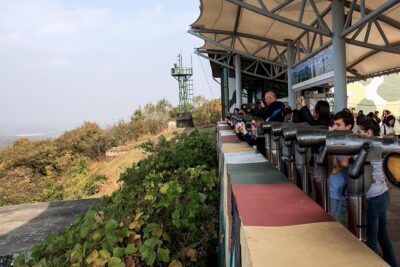
DMZ Tour: 3rd Tunnel, Option(Suspension Bridge, Boat) from Seoul
Read our review →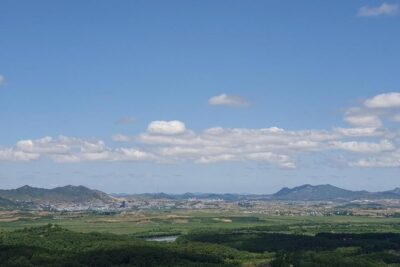
DMZ tour south Korea from Seoul (NK experience hall, defector)
Read our review →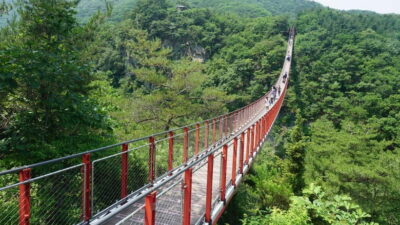

Signature DMZ Tour: Exclusive Defector Talk & Suspension Bridge
Read our review →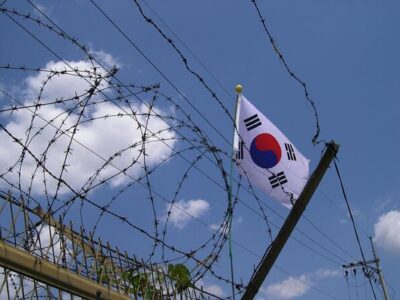
Thrilling Korean DMZ 3rd Tunnel Tour from Seoul + Red Bridge Rush
Read our review →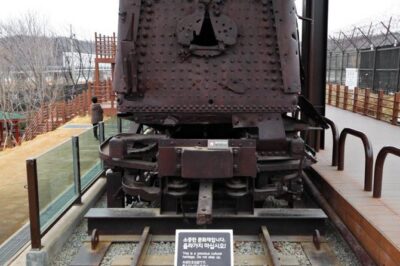
DMZ Past and Present: Korean Demilitarized Zone Tour from Seoul
Read our review →
Ultimate Korea DMZ Tour from Seoul (Gondola & Suspension Bridge)
Read our review →Browse the lists this tour appears in