
Reviewed · SEOUL COOKING CLASSES
Seoul : Taste of Korea, Authentic Home-Style Cooking Class
In three hours, this class turns Korean food from something you order into something you make. You’ll work through classic home-style dishes with instructor Jennifer, then sit down to eat what you’ve cooked, along with Korean snacks and drinks.
I like that you prepare four substantial dishes from scratch, and that Jennifer explains the food as you go rather than leaving you to follow a recipe alone. The small group, capped at 10, gives the class room for individual help and makes it a good fit for families as well as solo cooks.
One thing to plan for: this is a hands-on meal, not a quick tasting. You’ll likely leave full, and the class is best for anyone happy to spend three hours cooking and eating.
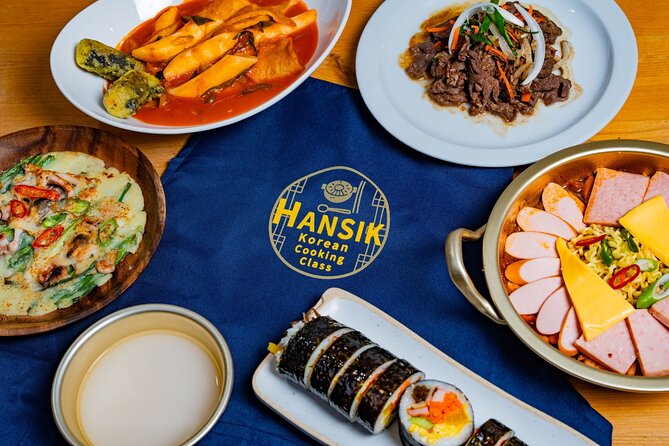
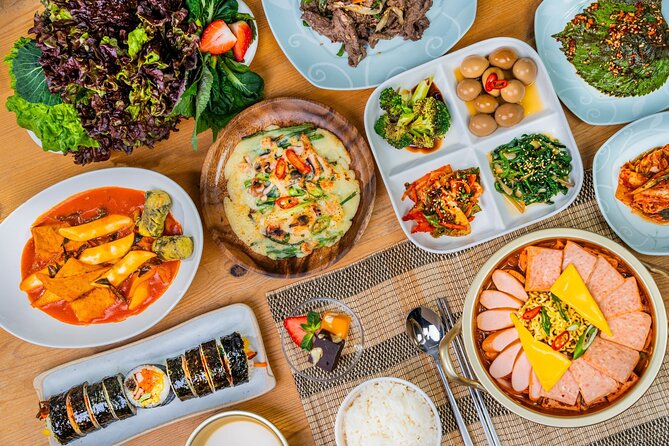
- Four familiar dishes, made by you: Gimbap, spicy tteokbokki, seafood scallion pancake and budae jjigae are among the recipes.
- Jennifer leads the class: She guides the cooking, shares food history and language, and helps adapt recipes for dietary needs.
- A meal, not just a lesson: The class includes snacks, Korean tea, Sikhye, dessert and makgeolli for participants aged 21 and older.
- Small group setting: No more than 10 people attend, with dedicated cooking stations.
- Two session times: Choose a morning or evening class, depending on availability.
- Recipes to take home: The recipes are sent digitally, giving you a way to try the dishes again after your trip.
Make Korean home cooking part of your Seoul visit
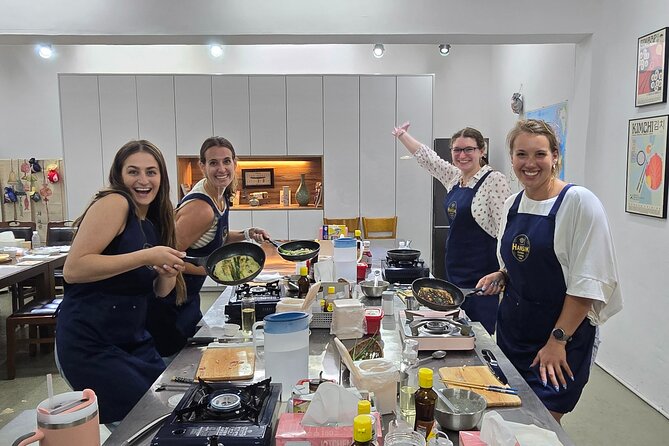
Korean food is often introduced through restaurant meals, street snacks and market stalls. Those are all worthwhile, but a cooking class offers a different kind of insight: you learn how dishes come together, what goes into them and how several familiar foods can form one generous meal.
Hansik means Korean cuisine. Here, the focus is home-style cooking, with Jennifer guiding you as you prepare up to four dishes. The menu can include gimbap, tteokbokki, haemulpajeon and budae jjigae. Each brings a different technique to the table: rolling rice and fillings, working with spicy gochujang sauce, cooking a seafood and scallion pancake, and assembling a hearty stew.
That variety is a real strength. Rather than spending the whole class on one recipe, you get a broad introduction to dishes with different textures and methods. If you’re new to Korean cooking, that gives you more to take home than a single specialty. If you already know the food, the hands-on practice can help you understand how to make it yourself.
The class meets at 31-5 Jahamun-ro in Jongno District and ends at the same point. It runs for about three hours, with morning and evening sessions offered. The group limit of 10 keeps the experience small enough for questions and practical help without making it feel like a private lesson.
Cooking four dishes, step by step
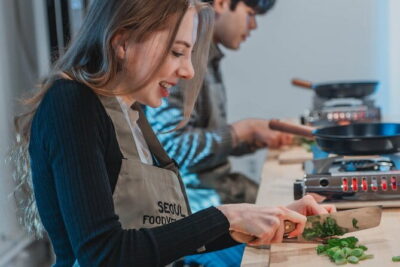
Expect to cook rather than watch a chef do all the work. You’ll have a dedicated cooking station and Jennifer or a team member to demonstrate and assist. The pace is described as well explained, with help available when you need it. That matters if you’re learning unfamiliar ingredients or techniques and don’t want to feel rushed.
Gimbap is a Korean rice roll, and making it gives you a chance to work with a combination of rice and fillings. It’s also a useful recipe to take home because you can vary the ingredients to suit your taste. The class is designed to guide you through the process, not simply hand you a finished roll to sample.
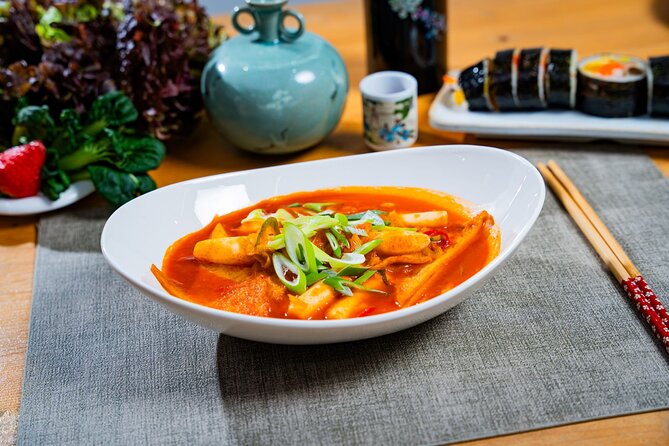
Tteokbokki brings the spicy, saucy side of the menu. It is made with Korean rice cakes and gochujang, the red chili paste that gives the dish its characteristic heat and color. If you’re sensitive to spice, tell the instructor about your preference. The class can accommodate dietary needs and preferences with alternative recipes, though it’s sensible to communicate those needs before you arrive.
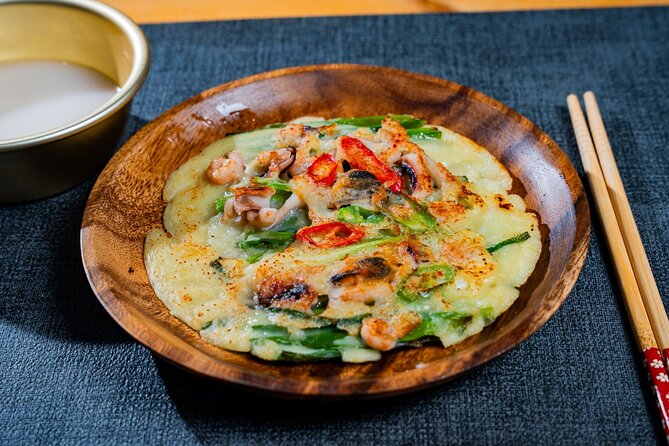
Haemulpajeon, a seafood and green onion pancake, adds a crisp, savory dish to the lineup. It introduces another style of Korean home cooking, one that pairs well with the other dishes at the table. You’ll make the food yourself, with guidance on each step.
Then there’s budae jjigae, often called Korean army stew. It’s a hearty stew and one of the class’s more filling dishes. Together, these recipes make the session feel like a proper cooking workshop, not a short demonstration followed by a few bites.
The exact menu may vary, so treat these dishes as examples of what the class teaches rather than a guaranteed fixed list. The central promise is a practical lesson in home-style Hansik, with the instructor helping you through the cooking.
More cooking classes in Seoul:
- Local Home Korean Cooking Class & Market Adventure in Seoul
★ 5.0 · 1,024 reviews - Master Korean traditional cooking with a Kimchi chef
★ 5.0 · 385 reviews - Seoul: Korean Cooking Class at a Local Home and Market Tour
★ 5.0 · 348 reviews
Jennifer’s guidance makes the class approachable
A cooking class works best when the instructor can explain without taking over. Jennifer’s teaching style is a major reason this one suits beginners: she is described as patient, friendly and willing to assist while letting you do the work. You can ask for help with a technique, then try it yourself rather than simply watching her finish the dish.
The class also adds context beyond the recipes. Jennifer shares information about the dishes and Korean food culture, and participants have also learned bits of history and language. That gives you a better sense of what you’re cooking, without turning the session into a lecture.
The team includes Ms Lee, who has also helped host classes. The setup is described as clean and organized, with ingredients ready and cooking stations in place. That kind of preparation matters in a three-hour class: you spend your time cooking and learning, rather than waiting around for the next step to begin.
Children can take part, too. Families with children aged 10 and 12 have enjoyed the class, and the instructor has adjusted support to suit different skill levels. That’s encouraging if you’re planning a family activity, though the listing does not set a minimum age. For younger children, check directly before booking.
Sit down to a full Korean meal
The meal is more than a small sample of what you’ve made. You’ll eat the dishes as a full-course home-style meal, accompanied by Korean tea, snacks, Sikhye (a sweet rice punch), dessert and makgeolli, a Korean rice wine. Alcoholic drinks are served only to participants aged 21 and older; younger participants receive non-alcoholic drinks.
Portions are generous. Plan to arrive hungry, not straight from a large lunch. People have had food left over to take away, which is a welcome bonus but also a clear warning: this class can be a lot of food. If you’re going in the evening, you may want to keep your earlier meal light.
The shared meal is part of what makes the experience feel connected to home cooking. You don’t just learn individual recipes and leave; you get to sit down and enjoy the result with the group. It also gives you a chance to ask questions while tasting the dishes and to compare how their different flavors work together.
What $89 buys you
At $89 per person, this class costs more than a simple food tasting, but you’re paying for a three-hour guided activity, hands-on instruction, several recipes and a substantial meal. Snacks, drinks and dessert add to the value, as does the chance to ask for help while you cook. The digital recipes are another practical extra: you can use them to recreate the dishes later.
The price makes the most sense if you want both a meal and a skill to take away. If you only want to taste Korean food, a restaurant meal will cost less and take less time. But if cooking is part of the appeal, this experience gives you more than a plate of food. You leave with a better idea of how the dishes are made and recipes to try again at home.
This is also a social activity, but not one that depends on being an experienced cook. The small group and step-by-step teaching make it suitable for beginners. Couples, families with school-age children and food-focused solo visitors should all find a useful mix of instruction and shared dining.
More hands-on workshops in Seoul:
- Yongpyong Ski Resort from Seoul with Optional Lesson and Packages
★ 5.0 · 217 reviews - Korean Cooking Class with Grocery Shopping at Seoul Local Market
★ 5.0 · 107 reviews - Royal Seoul Cooking Class in a 100-Year-Old Hanok
★ 5.0 · 81 reviews - K-pop Dance Class in Seoul (Incl. video shooting & editing)
★ 5.0 · 52 reviews
Plan for three hours in Jongno
The meeting point is 31-5 Jahamun-ro, Jongno District, and the class returns to the same location. It is near public transportation, and the address is given as easy to find. You can choose a morning or evening session, which makes it easier to fit into a day of sightseeing.
Allow the full three hours. You’ll be preparing several dishes, getting guidance, and then eating a generous meal. Don’t schedule a tight appointment immediately afterward, especially if you want time to enjoy the food and ask questions.
The group maximum is 10 people, so this is not a large demonstration kitchen. The small size should make it easier to get individual assistance, though it does not guarantee a private class. The experience is available by mobile ticket, and confirmation is provided at booking.
If you have dietary restrictions or strong preferences, contact the provider in advance. Alternative recipes have been offered for dietary needs, but the exact substitutions depend on the request. The class also has a weather-related cancellation condition and a minimum number of participants; if the experience is canceled for either reason, you can be offered another date or a refund. You can cancel for a full refund up to 24 hours before the start time.
Who should book this cooking class?
Book it if you want a hands-on introduction to Korean home cooking and enjoy learning by doing. It’s especially appealing if you like food classes that balance instruction with a proper meal, or if you want recipes you can try after returning home. The range of dishes offers a useful snapshot of Korean cooking without requiring prior experience.
Families can consider it, too. Children aged 10 and 12 have enjoyed participating, and the instructor has adapted her help to different abilities. If your children are younger, ask the provider about age suitability before booking.
Skip it if you’re short on time, prefer to spend your Seoul visit eating out rather than cooking, or don’t want a large meal. And if you have strict dietary requirements, confirm that they can be accommodated before paying. For everyone else, the combination of careful instruction, four dishes and a generous shared meal makes this a strong use of three hours.
FAQ
How long is the cooking class?
The class lasts about three hours.
Where does the class meet?
It meets at 31-5 Jahamun-ro in Jongno District, Seoul, and ends at the same location.
Which dishes will I cook?
The class may include gimbap, tteokbokki, haemulpajeon and budae jjigae. The exact menu may vary.
Are drinks and food included?
Yes. The experience includes a full-course meal, Korean tea, snacks, Sikhye, makgeolli for participants aged 21 and older, and dessert. Participants under 21 receive non-alcoholic drinks.
Can dietary restrictions be accommodated?
Alternative recipes have been offered for dietary restrictions and preferences. Contact the provider with your needs before the class.
How many people can join?
The maximum group size is 10 participants.
Latest reviews from Seoul
- From Seoul: Hwacheon Ice Fishing and Lighting Festival Tour★ 4.5 · 4 reviews
- You’re Invited to Our Home in Seoul: The Only Cooking Class!★ 5.0 · 8 reviews
- Unique Native Experience : Han River Picnic, Board game, BBQ★ 5.0 · 3 reviews
- Seoul: Gangneung BTS K-Pop & K-Drama Filming Locations Tour★ 4.6 · 14 reviews
- Yun Korean Cooking Class in Seoul★ 5.0 · 6 reviews
- 2-Hour Private Kayaking and Paddleboarding Experience in Hanriver★ 5.0 · 3 reviews
- Day Trip to Yongin Daejanggeum and Korean Folk Village from Seoul★ 4.0 · 9 reviews
- K-Pop Making Class with a Producer!★ 5.0 · 3 reviews
Seoul Cooking Classes, compared.
Local Home Korean Cooking Class & Market Adventure in Seoul
Read our review →
Master Korean traditional cooking with a Kimchi chef
Read our review →
Korean Cooking Class at a Local Home and Market Tour
Read our review →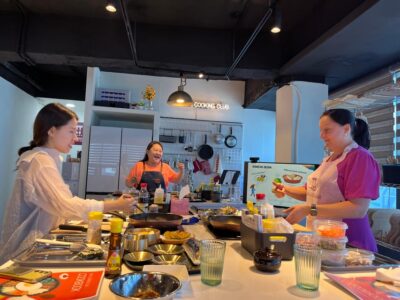
Korean Cooking Class with Grocery Shopping at Seoul Local Market
Read our review →
Korean Kimchi Making Day Experience with a Local Market Tour
Read our review →
Royal Seoul Cooking Class in a 100-Year-Old Hanok
Read our review →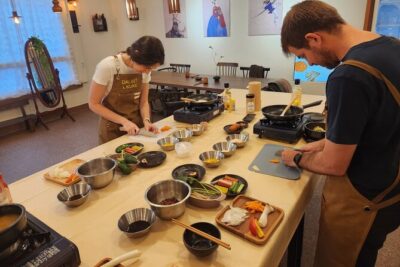
Traditional Korean 6-Dish Cooking Class + Hidden Alley Tour Seoul
Read our review →Browse the lists this tour appears in