
Reviewed · BUKCHON HANOK VILLAGE TOURS
Royal Seoul Cooking Class in a 100-Year-Old Hanok
A Korean cooking class in a 100-year-old hanok is a fine way to get beyond restaurant menus and learn how familiar dishes come together. Here, you cook with a certified instructor, then sit down to eat in a traditional home setting.
Two things I especially like are the small group, capped at six, which leaves room for questions and one-on-one help, and the chance to hear the cultural stories behind the food. The handmade Bangjja plates, makgeolli and traditional desserts make the meal feel like part of the lesson, not an afterthought.
One thing to keep straight: the experience lasts about 2 hours and 15 minutes and begins and ends at the cooking-class address. Several famous Seoul landmarks appear in the activity details, but no visits to those sights are described. If you’re expecting a palace or market tour as well as cooking, check before booking.
At a glance
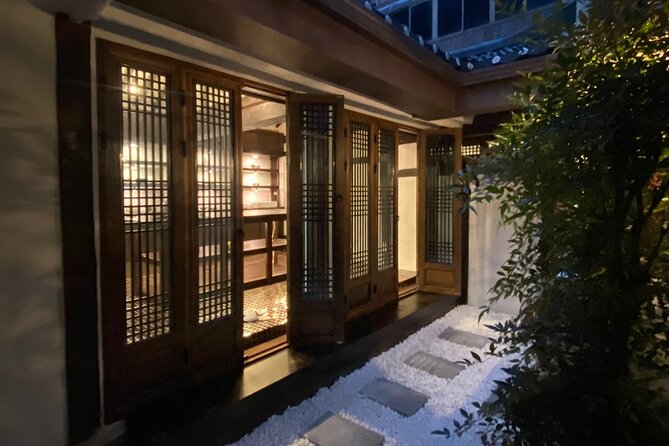
- A restored 100-year-old hanok: The class takes place in a residential home in Jongno, not a standard cooking-school kitchen.
- A small class: The stated maximum is six, so you can expect a more personal pace than in a large demonstration.
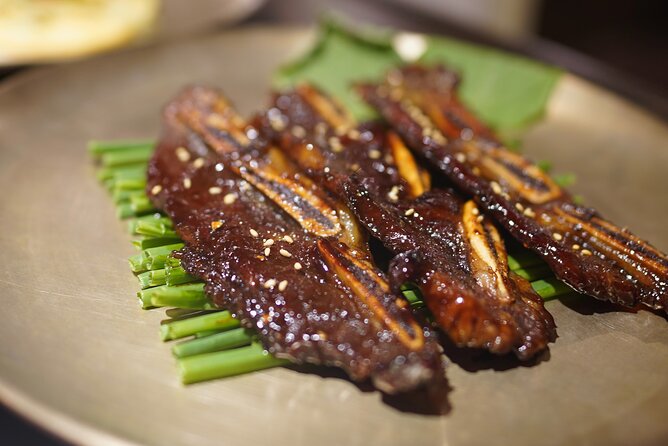
- Korean dishes you can make again: The menu includes LA Galbi, fresh kimchi, seafood pajeon and Tangpyeongchae.
- A shared meal in Bangjja bronzeware: You eat what you prepare, served on traditional handmade tableware.
- More than cooking: Expect food stories, cultural context, makgeolli and traditional desserts.
- About $98.98 per person: The price buys a guided class and a meal in a distinctive setting, not just a recipe demonstration.
Cooking in a Jongno hanok
The class begins at 25 Samil-daero 32ga-gil in Jongno District, an area associated with older Seoul streets and hanok architecture. The house is described as a restored 100-year-old home, and the setting is central to the experience: you’re learning Korean home cooking in a traditional home rather than in a purpose-built studio.
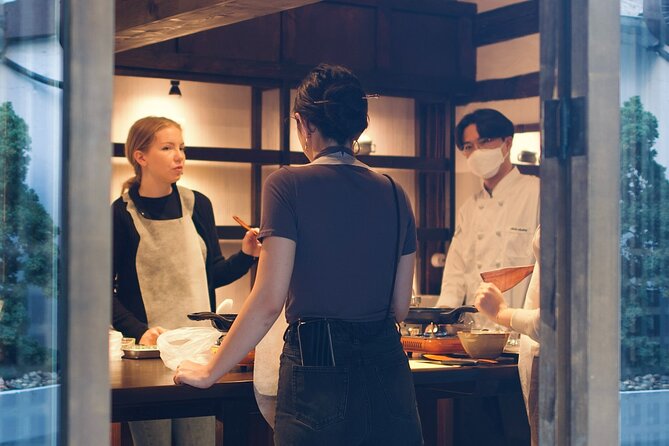
That difference matters. A restaurant meal lets you taste a dish; a class gives you time to notice how its parts fit together. Here, the instructor introduces the dishes, helps you prepare them and shares cultural and historical context along the way. The experience is designed for beginners, so you don’t need to arrive with knife skills or a shelf of Korean pantry staples.
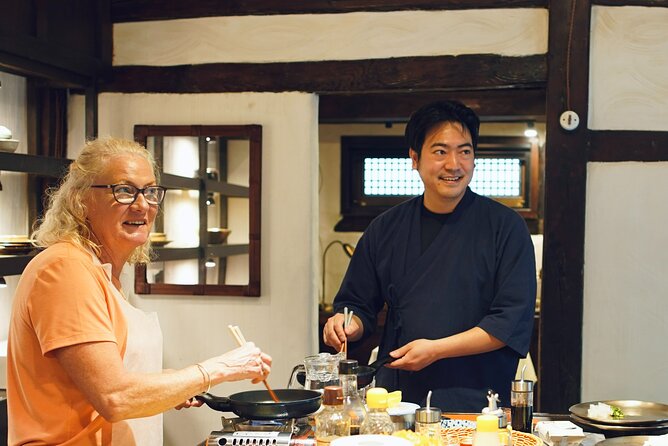
The instructor is referred to as Ricky and Chef Park in the information available for this class. Guests praise the teacher’s clear directions, humor and patience, as well as his ability to keep conversation going while people cook. The experience also includes an official culinary certificate for its instructors. If knowing exactly who will lead your session matters to you, ask when booking, since both names appear.
The group limit of six is a real advantage. In a small class, it’s easier to ask why a dish is prepared a certain way, get help with a step and keep up if you cook slowly. It also makes the class a practical choice for solo visitors: you can meet a few people over a shared meal without being dropped into a large group.
More Bukchon tours in Seoul:
- Seoul: Gyeongbok Palace, Bukchon Village, and Gwangjang Tour
★ 4.9 · 2,321 reviews - Seoul City Sightseeing Tour Including Gyeongbokgung Palace, N Seoul Tower, and Namsangol Hanok Village
★ 5.0 · 1,423 reviews - Seoul: Gyeongbok Palace, Bukchon Village, and Gwangjang Tour
★ 5.0 · 1,044 reviews
Four dishes, with room to learn
The menu brings together dishes with different textures and methods. LA Galbi is marinated beef short ribs, while fresh kimchi introduces the lively seasoning and fermentation traditions associated with Korean food. Haemul Pajeon is a seafood and scallion pancake, and Tangpyeongchae is a delicate dish made with mung bean jelly and vegetables.
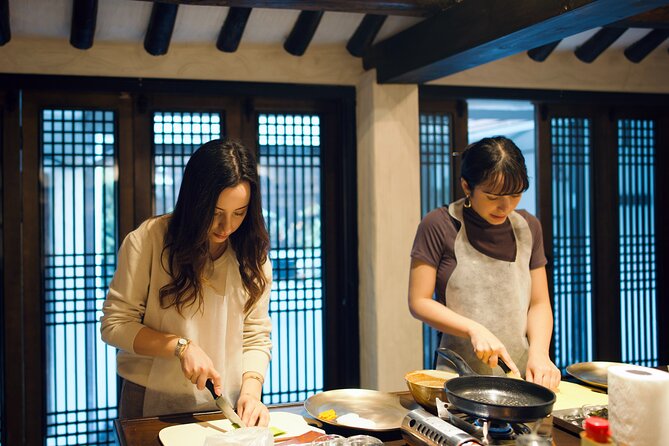
You’ll take part in preparing and cooking the dishes, rather than only watching a chef work. The setup is described as thoughtfully prepared, with ingredients ready and the techniques explained in an accessible way. That kind of preparation keeps the class moving and lets you focus on the steps, though it also means this is not a full market-to-table lesson where you shop for every ingredient yourself.
The instructor’s explanations are part of the appeal. Food here is a way into Korean culture, and the class connects recipes with their background and place in everyday life. The stories can give you more to think about the next time you see these dishes on a menu, and they help turn a recipe into something more than a list of ingredients.
The class is built for a range of cooking abilities and ages. Families with children have joined, and the instructions are described as patient and easy to follow. If you have a mobility need, it may be worth contacting the provider in advance: one participant was able to use a stool while cooking. That is a useful example, but it does not guarantee every accommodation, so ask about your specific needs.
Eating from Bangjja bronzeware
Once the cooking is done, you sit down to eat what you’ve made. The meal is served on Bangjja, traditional Korean bronzeware, in the hanok dining space. This is more than a pretty detail. It gives the meal a sense of occasion and lets you experience the food in a setting that feels connected to the home’s traditional character.
You’ll also have a glass of freshly brewed makgeolli, a Korean rice wine, and a selection of traditional desserts. The class is therefore a substantial food experience, not a quick lesson followed by a separate dinner reservation. If you’re planning to eat a large meal right beforehand, you probably won’t need to.
The shared table is also a natural place to talk with the instructor and the other people in the class. That suits couples, friends and families, but it can work just as well if you come alone. You might leave with a few new acquaintances, or simply with a better sense of the dishes you’ve just made. Either way, the small group keeps the evening personal.
What the named Seoul stops mean
The activity details name Gyeongbokgung Palace, Changdeokgung Palace, Kwangjang Market, Ikseon-dong Hanok Street and Gwanghwamun Square. These are useful landmarks for placing the class in Seoul’s central Jongno area, but they are not described as stops visited during the cooking session. The stated start and end point is the same address, and the class lasts about 2 hours and 15 minutes.
That distinction is important when planning your day. Gyeongbokgung and Changdeokgung are major palace sights; Gwanghwamun Square is a broad civic space; Kwangjang Market is known for food stalls; and Ikseon-dong has a concentration of hanok buildings and shops. They may fit into a separate day of sightseeing, but the cooking experience itself is centered on the home and the kitchen.
If you want to combine the class with nearby sightseeing, check a map and plan the timing independently. The class details do not say that the host guides you through these places, how long you would spend at them, or whether they are included in the price. Treat the cooking class as its own activity unless the provider confirms otherwise.
More cooking classes in Seoul:
- Local Home Korean Cooking Class & Market Adventure in Seoul
★ 5.0 · 1,024 reviews - Master Korean traditional cooking with a Kimchi chef
★ 5.0 · 385 reviews - Seoul: Korean Cooking Class at a Local Home and Market Tour
★ 5.0 · 348 reviews - Seoul: Korean Cooking at Seoul Cooking Club!
★ 5.0 · 311 reviews
Is $98.98 good value?
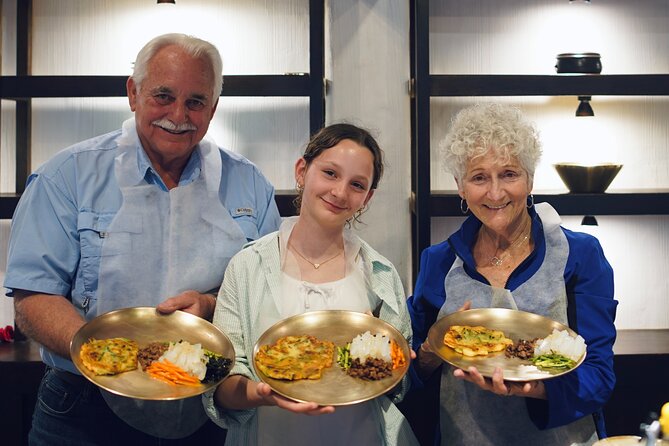
At $98.98 per person, this is more expensive than simply eating Korean food at a restaurant. You’re paying for a small-group lesson, a certified instructor, the hanok setting, hands-on preparation, a shared meal, Bangjja tableware, makgeolli and traditional desserts. If you value the setting and the stories as much as the food, the price is easier to justify.
The value is strongest for people who want something they can carry home. You learn approachable recipes and techniques, and several participants have received recipe material after class. The available details do not promise a recipe book for every booking, so ask the provider if take-home instructions are important to you. Still, cooking the dishes yourself gives you a better chance of recreating them than a restaurant meal alone.
The class also works as a social evening. Its small size encourages conversation, and the instructor is often praised for offering Seoul recommendations as well as food and history. That extra advice may be especially useful early in a visit, though it should be seen as a bonus rather than a formal city tour.
Practical details before you book
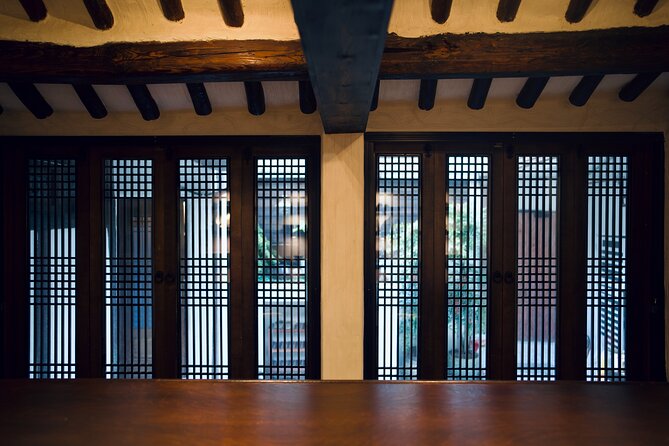
Plan for roughly 2 hours and 15 minutes, with the class ending back at the meeting point. The activity is near public transportation, and you receive confirmation at booking. Since the group is capped at six, book early if you have a particular date in mind.
The cancellation terms are straightforward: you can cancel for a full refund up to 24 hours before the start time. Cancellations or changes made within 24 hours are not accepted for a refund or adjustment. The cut-off follows local Seoul time.
This class is a good match if you enjoy food, prefer learning by doing and want a more personal glimpse of Korean home culture. It is also a sensible choice for solo visitors, couples and families, including groups with different levels of cooking experience. If you mainly want a fast meal, a large-scale demonstration or a guided tour of Seoul’s palaces and markets, this is not the right fit.
Should you book the Royal Seoul Cooking Class?
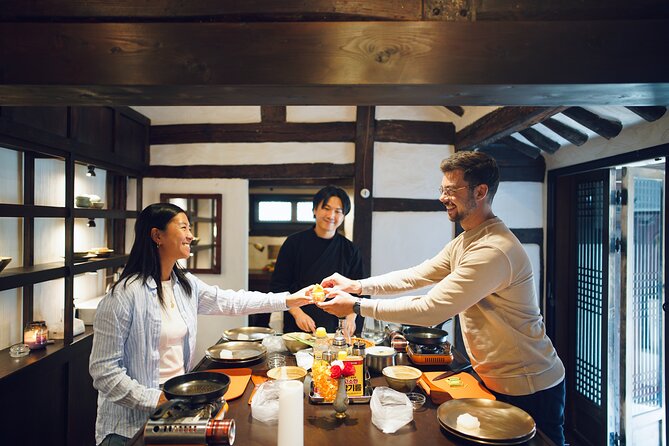
I’d put this class high on the list if you want an evening that combines cooking, conversation and a memorable setting. The 100-year-old hanok gives the lesson a sense of place; the small group and patient instruction make it approachable; and the meal lets you enjoy the results straight away.
Book it for the food and the home-cooking experience, not as a substitute for sightseeing. At about $98.98, it’s best value for curious eaters who want to understand a few Korean dishes and learn how to make them again. If that sounds like your kind of Seoul evening, this is a strong choice.
FAQ
How long is the cooking class?
The experience lasts approximately 2 hours and 15 minutes.
Where does the class start and end?
It starts at 25 Samil-daero 32ga-gil in Jongno District, Seoul, and ends back at the meeting point.
How many people can join?
The activity has a maximum of six participants.
Which dishes will I prepare?
The menu includes LA Galbi, fresh kimchi, seafood pajeon and Tangpyeongchae.
Is this class suitable for beginners?
Yes. The class is designed to be accessible even if you have no cooking skills.
What is included with the meal?
You eat the dishes you prepare on handmade Bangjja bronzeware, with a glass of freshly brewed makgeolli and traditional desserts.
Can I cancel for a refund?
You can cancel for a full refund at least 24 hours before the experience’s start time. Cancellations made less than 24 hours in advance are not refunded.
More hands-on workshops in Seoul
- Yongpyong Ski Resort from Seoul with Optional Lesson and Packages
★ 5.0 · 217 reviews - Korean Cooking Class with Grocery Shopping at Seoul Local Market
★ 5.0 · 107 reviews - Seoul : Taste of Korea, Authentic Home-Style Cooking Class
★ 5.0 · 64 reviews - K-pop Dance Class in Seoul (Incl. video shooting & editing)
★ 5.0 · 52 reviews
Latest reviews from Seoul
- From Seoul: Hwacheon Ice Fishing and Lighting Festival Tour★ 4.5 · 4 reviews
- You’re Invited to Our Home in Seoul: The Only Cooking Class!★ 5.0 · 8 reviews
- Unique Native Experience : Han River Picnic, Board game, BBQ★ 5.0 · 3 reviews
- Seoul: Gangneung BTS K-Pop & K-Drama Filming Locations Tour★ 4.6 · 14 reviews
- Yun Korean Cooking Class in Seoul★ 5.0 · 6 reviews
- 2-Hour Private Kayaking and Paddleboarding Experience in Hanriver★ 5.0 · 3 reviews
- Day Trip to Yongin Daejanggeum and Korean Folk Village from Seoul★ 4.0 · 9 reviews
- K-Pop Making Class with a Producer!★ 5.0 · 3 reviews
Bukchon Hanok Village Tours, compared.
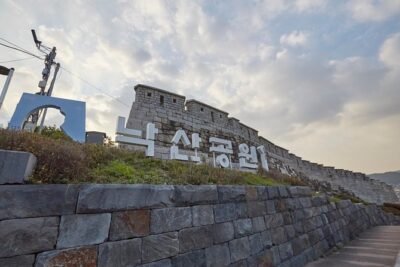
Gyeongbok Palace, Bukchon Village, and Gwangjang Tour
Read our review →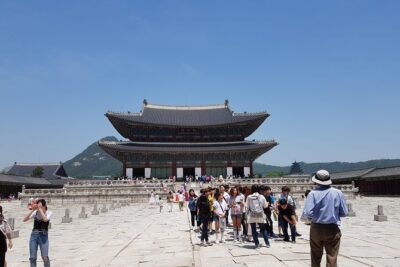
Seoul City Sightseeing Tour Including Gyeongbokgung Palace, N Seoul Tower, and Namsangol Hanok Village
Read our review →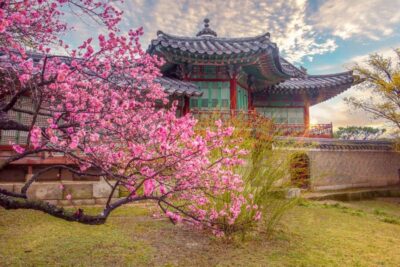
Gyeongbok Palace and Bukchon Hanok Walking Tour
Read our review →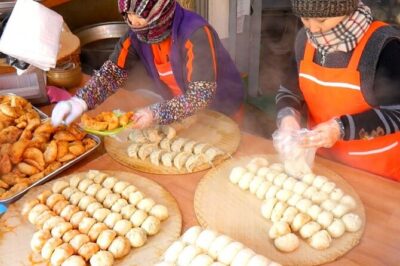
Afternoon Seoul: Hanok Vibes, Netflix Street Food & N Seoul Tower
Read our review →
Tour Seoul’s oldest district with a storyteller from Bukchon
Read our review →
Seoul Morning Tour: Seoul Tower, Namsan Hanok Village, The War Memorial of Korea
Read our review →
Seoul Royal Palace,Bukchon Hanok Village & Gwangjang Market Feast
Read our review →
Browse the lists this tour appears in