
Reviewed · SEOUL COOKING CLASSES
Korean Cooking Class Full Meal with BBQ on an All in One Table
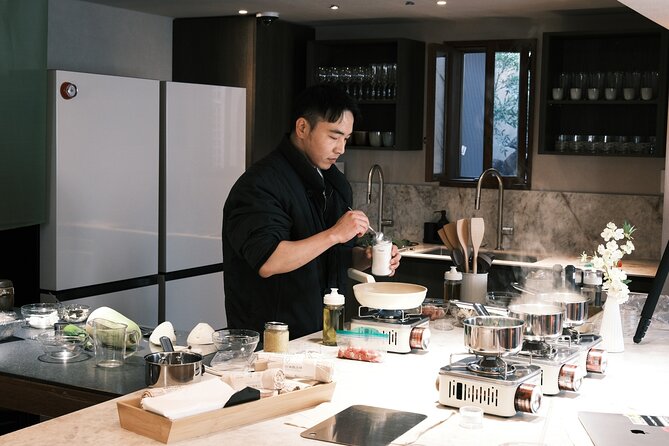
Korean meals arrive at the table as a whole: rice, soup, several side dishes and a main, ready to be shared. At Soop Table, you help make that full spread yourself, then sit down to eat it in a small kitchen inspired by traditional Hanok architecture.
I like two things here: you make a proper meal, not just one demonstration dish, and the class gives equal attention to presentation and the ingredients behind the flavors. The BBQ is cooked and served by the chef, so you can focus on your own dishes and still get a taste of Korean grilled pork belly.
One consideration: this is a three-hour cooking session, not a market visit or a quick tasting. If you’d rather spend your time outside than at a counter, this may not be your Seoul activity. You’ll also need to choose a main and soup or stew, but the specific choices are not listed in advance.
What Makes This Seoul Cooking Class Different
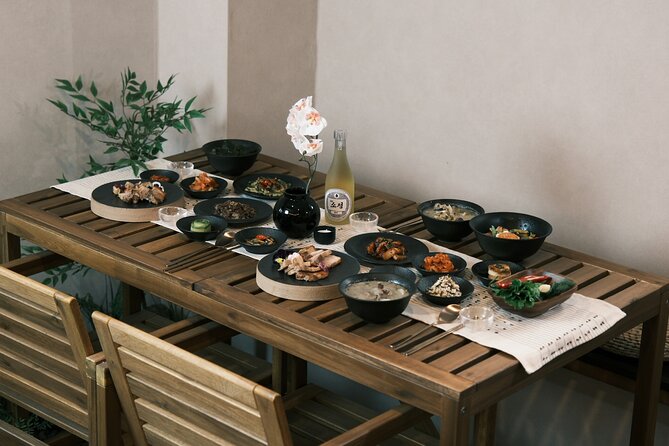
- Cook a full Korean table: Prepare four vegetable side dishes, bibimbap, one main dish, and one soup or stew.
- Learn with seasonal ingredients: Work with fresh vegetables and fermented pastes such as doenjang and gochujang.
- Share the meal the Korean way: The dishes are served together, rather than as separate courses.
- Enjoy pork belly BBQ without tending the grill: The chef serves grilled pork belly during the meal.
- Make room for a sweet finish: After eating, you prepare a popular Korean dessert together.
- Keep the group small: The class is capped at eight people, with a three-hour schedule at a Mapo-gu studio.
A Full Korean Meal, Made at One Table
The idea at the heart of this class is simple and useful: Korean home cooking is not only about learning recipes. It is also about how a meal comes together, how different dishes balance one another, and how everyone shares the table. You’ll make several parts of a meal rather than focusing on a single signature dish.
That distinction matters if you’re comparing this with a food walk or a short cooking demonstration. Here, you spend most of the time cooking, arranging the food, and eating what you have made. There is no commercial market tour, though the chef is happy to share suggestions for trusted local markets if you ask.
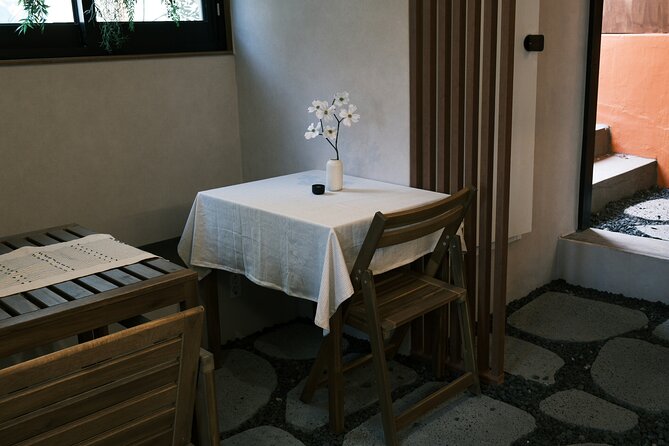
The experience takes place at Soop Table: The Hansik Atelier, at 34 Donggyo-ro 46-gil, Mapo-gu, Seoul. The studio draws on traditional Hanok architecture. One distinctive detail noted about the space is a lava and slate walkway, which helps make the setting feel more considered than a standard classroom kitchen.
You’ll spend about three hours here, and the group has a maximum of eight. That small size should give the class a more personal feel than a large demonstration, though the exact amount of one-on-one help will depend on the group and the pace of the cooking.
More food tours in Seoul:
- Seoul Street Food Market Tour
★ 5.0 · 1,226 reviews - Seoul: Night Market Food Tour with Local Guide
★ 4.9 · 943 reviews - Downtown Seoul Guided Food & Market Tour with 8+ Local Tastings
★ 5.0 · 580 reviews
Starting with Tea and the Ingredients
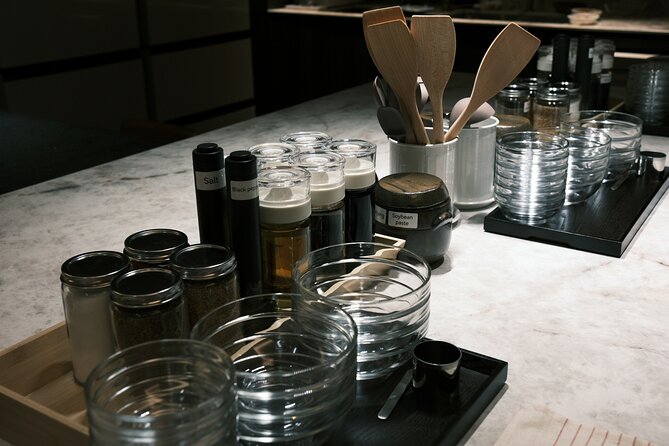
The class begins with a seasonal Korean welcome tea. It is a gentle way to settle in before the cooking starts, and it sets up one of the themes the chef explores: how Korean food connects to nature and the seasons.
You’ll also hear about essential ingredients, including fermented pastes such as doenjang and gochujang. These are not just sauces to add at the end. They bring depth and savory, spicy, or fermented flavors to a dish, and they help explain why Korean food can taste layered even when the ingredients are familiar.
Some of the pastes used in class come directly from the chef’s hometown. That detail gives the lesson a personal angle, rather than treating every ingredient as a generic pantry staple. Seasonal vegetables also shape the cooking, so the exact produce may vary with the time of year.
If you are new to Korean cooking, this kind of ingredient introduction is especially useful. You’ll get more than a list of unfamiliar names: you can see how the ingredients fit into a meal and how they work alongside vegetables, soup, rice, and a main dish.
Four Side Dishes, Then Your Own Bibimbap
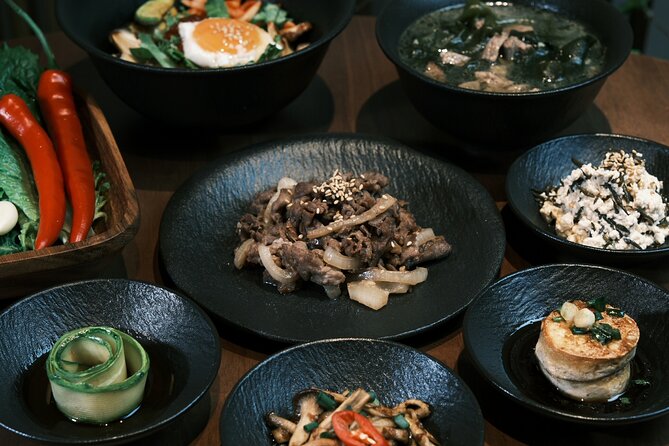
A central part of the session is preparing four kinds of Korean side dishes, or banchan, using fresh vegetables. These small dishes matter. They add variety and contrast to the table, and they are part of what turns a bowl of rice and a main into a Korean meal.
The exact side dishes are not specified, which is worth keeping in mind if you are hoping to learn one particular recipe. The seasonal approach means the vegetables can change, but it also makes the lesson less like following a fixed restaurant menu and more like learning a way to cook with what is available.
You’ll also plate your own bibimbap. That gives you a chance to think about how the ingredients look together, not only how they taste. The class emphasizes presentation, and you can arrange your bowl in your own style rather than copying a single required design.
I like that the class treats plating as part of cooking, not as decoration added after the work is done. If you enjoy bringing home practical skills, pay attention to how the colors and ingredients are arranged. The aim is to create a balanced-looking dish, while still making it your own.
Choosing a Main and a Soup or Stew
You choose one main dish and one soup or stew based on your taste. This lets you shape part of the meal to your preferences, while keeping the shared-table format intact.
The available choices are not listed in the information provided, so you should not book expecting a particular recipe. If you have a preference or dietary question, ask before the class rather than assuming the menu can accommodate it. The class offers choices, but no specific dietary accommodations are stated.
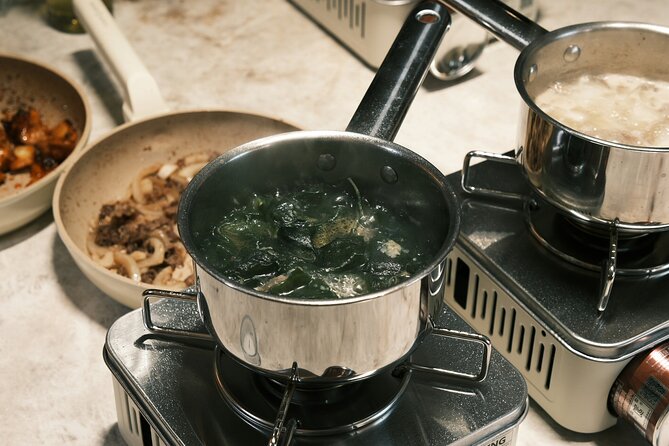
Cooking both a main and a soup or stew gives the session more range than a class built around a single dish. You’ll see how a meal can include different textures and levels of seasoning, with the side dishes and rice completing the table. The cooking also gives you time to practice, rather than simply watching the chef prepare everything.
More cooking classes in Seoul:
- Local Home Korean Cooking Class & Market Adventure in Seoul
★ 5.0 · 1,024 reviews - Master Korean traditional cooking with a Kimchi chef
★ 5.0 · 385 reviews - Seoul: Korean Cooking Class at a Local Home and Market Tour
★ 5.0 · 348 reviews - Seoul: Korean Cooking at Seoul Cooking Club!
★ 5.0 · 311 reviews
The BBQ Is Served, Not Your Cooking Assignment
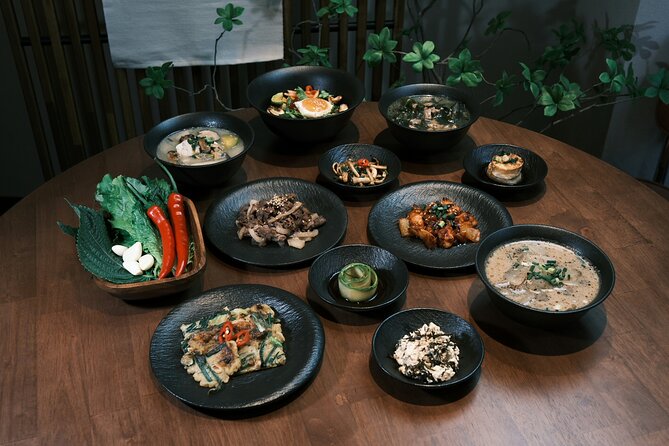
During the meal, the chef serves grilled pork belly, along with a taste of traditional Korean liquor. This is the one part of the meal you do not cook yourself. That division is clear and practical: you spend your hands-on time on the dishes that make up the rest of the table, while the chef handles the BBQ.
The pork belly adds a familiar Korean barbecue element to the meal, but this is not a full grill-focused class. If your main goal is to learn how to prepare BBQ, this experience does not promise that. If you want a broader home-style meal with a grilled element included, the format makes more sense.
The small pour of traditional liquor is described as a taste, not a full drinks service. You can treat it as a cultural extra alongside the meal, rather than a reason to book if you are looking for a tasting session.
Dessert and the Shared Meal
After the meal, you make a popular Korean dessert together. The dessert is not named, so it is best to think of it as a hands-on finish rather than book around a specific sweet.
The shared meal is the payoff for the work at the counter. Korean dishes are served together, and the class follows that custom instead of sending out a sequence of Western-style courses. That means you can see how the side dishes, soup, main, rice, and BBQ fit together at once.
For me, this is the most valuable part of the format. You are not only taking home a few recipes; you are learning how the parts of a Korean meal relate to one another. The meal itself gives context to the cooking, and it is a chance to taste the results while they are fresh.
What the Price Gets You
The class costs $89 per person and lasts about three hours. That is a meaningful spend for a cooking activity, so the value depends on whether you want instruction and a complete meal, rather than a quick introduction to Korean food.
You are making multiple dishes: four side dishes, a main, a soup or stew, and bibimbap, followed by a dessert you prepare together. The chef also serves pork belly BBQ and a taste of traditional liquor. Taken as a meal plus a cooking lesson, the price covers a substantial experience rather than a single recipe.
The group limit of eight is another point in the value calculation. A small class can make it easier to follow instructions and ask questions, though it does not guarantee a private lesson. If you are booking as a couple or with a friend, you’ll each take part in the hands-on work and then share the meal.
A useful detail for planning: host Woody has contacted people after booking to confirm dinner choices and timing. If you need to clarify your menu selection, it is sensible to respond promptly and ask directly about anything important to you.
Who Will Get the Most from It
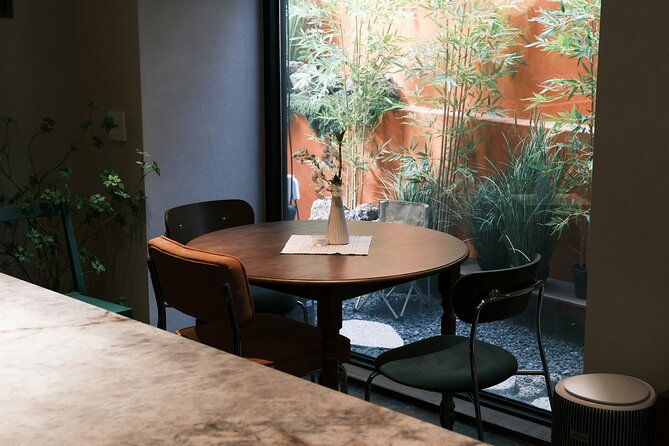
This class suits you if you like cooking, want to understand Korean meal structure, or care about how food is presented as well as how it tastes. It is also a good fit if you would rather spend three hours learning in a kitchen than use that time on a guided food walk.
It can work well for a couple or a small group of friends. The class is capped at eight, and the shared meal gives you time to talk over what you have cooked. A solo participant can also take part, but the group setting means the meal is designed around a shared table rather than a private lesson.
You do not need to be an expert cook to see the point of the experience. The class is hands-on, and the instructions have been described as easy to follow. Still, if you dislike group cooking or want a class devoted to one particular dish, this broader format may not match your plans.
Families or anyone with dietary restrictions should check the menu details before booking. The information provides a choice of main and soup or stew, but does not spell out age suitability, allergy handling, or vegetarian options.
Getting There and Planning Your Booking
The meeting point is Soop Table: The Hansik Atelier, at 34 Donggyo-ro 46-gil, Mapo-gu, Seoul. The activity ends back at the same location, and the venue is near public transportation. The address is specific, but check your route before setting out so you arrive on time for the cooking session.
Your booking confirmation is provided at the time of booking, and the ticket is mobile. The experience lasts about three hours. Since meal choices and timing may be confirmed by Woody after booking, keep an eye on your messages and reply if you are asked to confirm details.
The activity requires a minimum number of participants and good weather. If it is canceled because the minimum is not met or the weather is poor, you are offered another date or a full refund. You can cancel for a full refund up to 24 hours before the start time; changes or cancellations inside that window are not accepted.
Should You Book This Cooking Class?
Book this if you want a hands-on introduction to the full Korean table, with vegetables, fermented pastes, banchan, bibimbap, soup, a main, BBQ, and dessert all part of one meal. The strongest reasons to choose it are the broad menu and the attention to presentation, plus the chance to learn in a small Hanok-inspired studio.
Skip it if you are mainly looking for a market tour, a quick food tasting, or a class focused on grilling pork belly. Those are not what this session is built around. At $89, it makes the most sense when you value the cooking lesson as much as the meal, and want to leave with a clearer sense of how Korean dishes are prepared and shared.
FAQ
How long is the cooking class?
The experience lasts approximately three hours.
Where does the class meet?
It starts at Soop Table: The Hansik Atelier, at 34 Donggyo-ro 46-gil, Mapo-gu, Seoul.
Does the activity end at the same place?
Yes. It ends back at the meeting point.
How much does it cost?
The listed price is $89 per person.
How many people can join?
The class has a maximum of eight participants.
What dishes will I prepare?
You’ll make four Korean side dishes, bibimbap, one main dish, and one soup or stew. You also make a dessert together.
Do I cook the pork belly BBQ?
No. The chef serves the grilled pork belly. The rest of the dishes are prepared by participants.
Is a market tour included?
No. This is a cooking class, not a food tour or commercial market visit. The chef can share suggestions for local markets if you are curious.
Can I cancel for a refund?
You can cancel at least 24 hours before the start time for a full refund. Cancellations or changes made less than 24 hours beforehand are not accepted.
What happens if bad weather cancels the class?
You’ll be offered a different date or a full refund if the activity is canceled because of poor weather.
More hands-on workshops in Seoul
- Yongpyong Ski Resort from Seoul with Optional Lesson and Packages
★ 5.0 · 217 reviews - Korean Cooking Class with Grocery Shopping at Seoul Local Market
★ 5.0 · 107 reviews - Royal Seoul Cooking Class in a 100-Year-Old Hanok
★ 5.0 · 81 reviews - Seoul : Taste of Korea, Authentic Home-Style Cooking Class
★ 5.0 · 64 reviews
More barbecue experiences in Seoul
- Seoul: Anthony Bourdain-Inspired BBQ and Pub Experience
★ 5.0 · 186 reviews - Seoul Night “Private Tour”(Korean BBQ, N-Tower, Seoul Fortress, Local Market)
★ 4.5 · 86 reviews - Private DMZ Tour and Suspension Bridge + Korean BBQ
★ 5.0 · 79 reviews - Seoul Food n Night view with Local Korean BBQ dinner Hongdae st.
★ 5.0 · 30 reviews
Latest reviews from Seoul
- From Seoul: Hwacheon Ice Fishing and Lighting Festival Tour★ 4.5 · 4 reviews
- You’re Invited to Our Home in Seoul: The Only Cooking Class!★ 5.0 · 8 reviews
- Unique Native Experience : Han River Picnic, Board game, BBQ★ 5.0 · 3 reviews
- Seoul: Gangneung BTS K-Pop & K-Drama Filming Locations Tour★ 4.6 · 14 reviews
- Yun Korean Cooking Class in Seoul★ 5.0 · 6 reviews
- 2-Hour Private Kayaking and Paddleboarding Experience in Hanriver★ 5.0 · 3 reviews
- Day Trip to Yongin Daejanggeum and Korean Folk Village from Seoul★ 4.0 · 9 reviews
- K-Pop Making Class with a Producer!★ 5.0 · 3 reviews
Seoul Cooking Classes, compared.
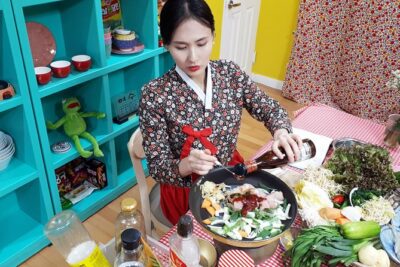
Local Home Korean Cooking Class & Market Adventure in Seoul
Read our review →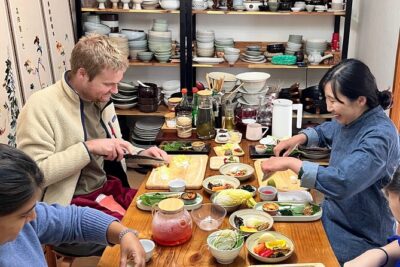
Master Korean traditional cooking with a Kimchi chef
Read our review →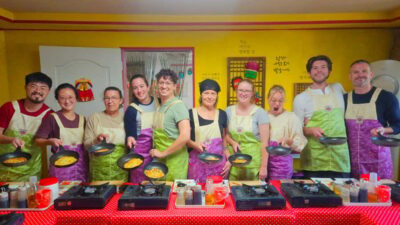
Korean Cooking Class at a Local Home and Market Tour
Read our review →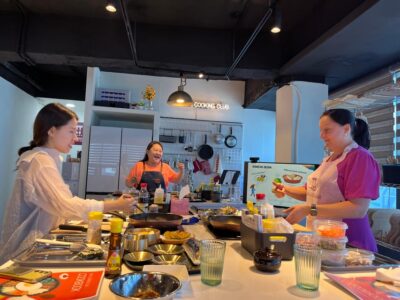
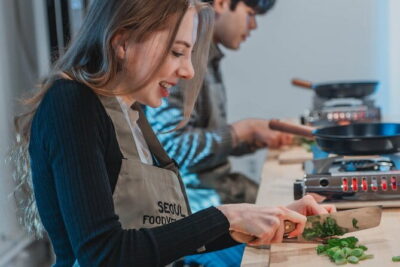
Korean Cooking Class with Grocery Shopping at Seoul Local Market
Read our review →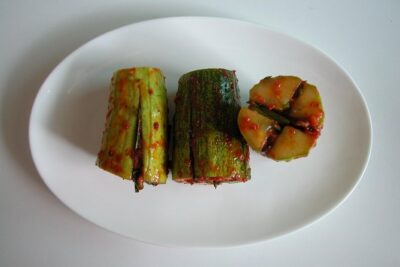
Korean Kimchi Making Day Experience with a Local Market Tour
Read our review →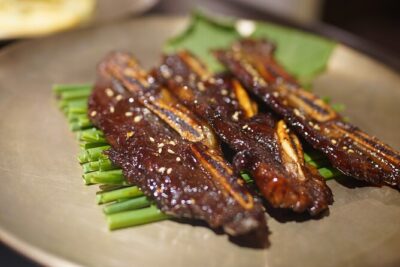
Royal Seoul Cooking Class in a 100-Year-Old Hanok
Read our review →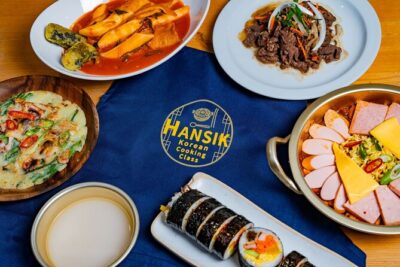
Taste of Korea, Authentic Home-Style Cooking Class
Read our review →Browse the lists this tour appears in