
Reviewed · SEOUL COOKING CLASSES
Korean Cooking at Seoul Cooking Club
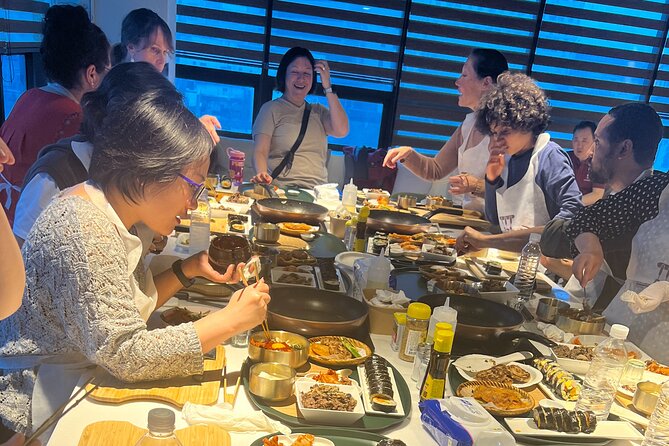
Seoul Cooking Club makes a meal out of learning: in about two and a half hours, you prepare a spread of Korean dishes, taste a range of flavors, then sit down to eat. I like the variety, which can include bulgogi, bibimbap, japchae, gimbap, pancakes, and dessert, and the small-group limit of 12, which leaves room to ask questions.
I also like that the class can accommodate several dietary preferences, including vegan and halal. One thing to know before booking: this is a friendly introduction, not necessarily an advanced technique course. Some ingredients may already be prepared, so you might do more assembling than chopping and cooking from scratch.
At a glance
- A full Korean spread: Expect a mix of savory dishes, small bites, and something sweet, with menus that have included bulgogi, bibimbap, japchae, gimbap, and jeon, or Korean pancakes.
- A meal, not just a demonstration: You help prepare food, then taste what the group has made.
- A small class: The maximum group size is 12, a useful number for following demonstrations and getting help.
- Dietary options: Vegan, vegetarian, pescatarian, gluten-free, and halal meals can be accommodated.
- Come hungry: Portions can be generous, and some people have had enough food left to take home.
- Central Seoul meeting point: The class starts and ends at 71-6 Jongno 2(i)-ga, in Jongno District.
A Seoul cooking class built around a shared meal
This is a practical way to get closer to Korean food than you can by studying a menu. Over roughly 2.5 hours, you learn how to prepare a range of familiar dishes, taste different Korean flavors, and share the finished food with the group. The class is offered for brunch, lunch, or dinner.
The experience is designed as a three-course meal, but the number of individual dishes can make it feel more like a generous tasting spread. Menus described by participants have included staples such as bulgogi and bibimbap, along with japchae, gimbap, several kinds of jeon, and dessert. The exact selection may vary, so treat those dishes as examples rather than a guaranteed menu.
That variety is part of the class’s appeal. Korean cooking often brings different textures and tastes to the table at once, and preparing several dishes gives you a better sense of how a meal fits together than learning a single recipe would. You get to taste what you have made, rather than watching a chef do all the work and leaving hungry.
More cooking classes in Seoul:
- Local Home Korean Cooking Class & Market Adventure in Seoul
★ 5.0 · 1,024 reviews - Master Korean traditional cooking with a Kimchi chef
★ 5.0 · 385 reviews - Seoul: Korean Cooking Class at a Local Home and Market Tour
★ 5.0 · 348 reviews
Getting started with the ingredients and recipes
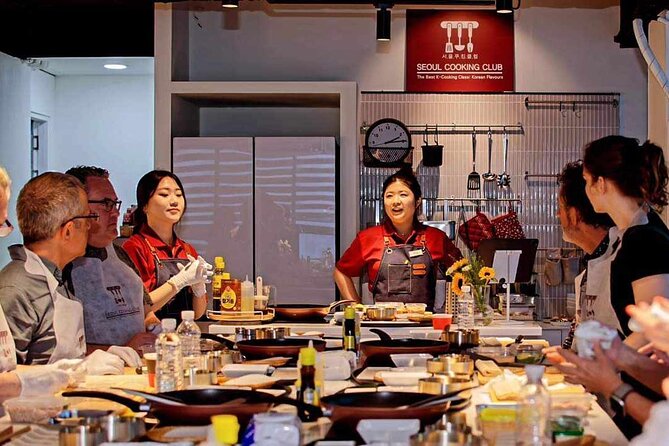
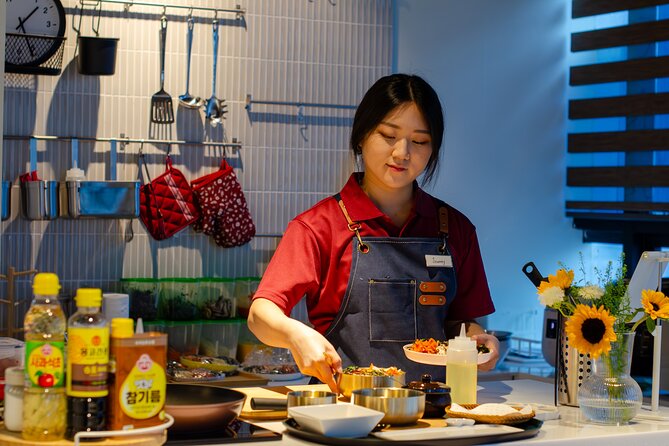
The class is suited to first-timers. Instructors explain steps clearly and keep the work approachable, even if you do not cook often. Participants have praised teachers including Olivia, Elly, Sally, and Grace for patient demonstrations, friendly hosting, and answers to questions about ingredients and Korean food culture.
You can expect guidance on how dishes come together and how ingredients contribute to their flavor. One useful detail from the class descriptions is that the teaching goes beyond following a recipe: instructors have explained the role of ingredients and shared tips for getting familiar dishes to taste right. That context can help you recognize ingredients and make more sense of Korean restaurant menus later in your trip.
There is an important distinction between learning to cook and learning to assemble. At least one participant found that some ingredients were already chopped or cooked, which made the lesson feel basic. If you want advanced knife skills or a full from-scratch lesson, this may not satisfy you. If you want a relaxed introduction, a few useful techniques, and a chance to make a range of dishes without kitchen stress, the format makes sense.
Making several Korean dishes in one session
Rather than focusing on one complicated recipe, the class offers variety. You may work on dishes such as bulgogi, bibimbap, japchae, gimbap, or jeon, with sweet food included as part of the meal. The range lets you compare dishes and flavors in a single sitting, and gives you more than one recipe to try at home.
The cooking is hands-on, but the amount of work can depend on the menu and the preparation already done by staff. Some participants describe clear demonstrations and simple instructions, while another felt the class was more about assembling than cooking. For a beginner, that can be a plus: you can concentrate on the order of steps, the combinations of ingredients, and the finished dish without feeling rushed by complicated techniques.
If you already cook often, go in with realistic expectations. The class may offer practical tips and cultural context, but it is not presented as an intensive culinary course. You may gain more from asking questions about ingredients and methods than from expecting every element to be prepared entirely from scratch.
Tasting the flavors, then sitting down to eat
Food is the main event, and the class is set up so you can try what you prepare. The experience describes a three-course Korean meal and a tasting of around 10 flavors, spanning appetizers, mains, and dessert. That means you are not simply taking home a recipe card; you get to see how the dishes taste together.
The meal can be substantial. Some people have left full, with enough extra food to pack up for later. My advice is simple: do not plan a large meal right before the class. If you are traveling with children or a group with varied appetites, the shared spread may also make it easier to sample several things rather than order separate plates.
Drinks have been part of some sessions, including water, tea, and sujeonggwa, a traditional sweet cinnamon punch. However, the specific drinks are not stated as a guaranteed part of every class, so do not count on a particular beverage being served.
More Seoul tours and experiences:
- Best DMZ Tour Korea from Seoul (Red Suspension Bridge Optional)
★ 5.0 · 41,422 reviews - DMZ Tour: 3rd Tunnel, Option(Suspension Bridge, Boat) from Seoul
★ 5.0 · 21,373 reviews - DMZ tour south Korea from Seoul (NK experience hall, defector)
★ 5.0 · 20,599 reviews - Seoul: DMZ Tour with Optional Suspension Bridge
★ 4.8 · 5,277 reviews
Friendly instruction and a group of up to 12
The small-group cap is one of the more practical features. With no more than 12 participants, the class is more personal than a large demonstration, and you have a better chance of seeing the instructor’s technique and asking questions. It can also be a pleasant way to spend time with other people, whether you are traveling as a couple, with family, or on your own.
The teaching style appears warm and encouraging rather than formal. Instructors such as Olivia, Elly, Sally, and Grace have been praised for explaining steps in a clear, accessible way. Their names are useful to know, but instructors may vary by class date, so you should not assume a particular teacher will lead your session.
Solo travelers may appreciate the shared meal and easy conversation that come with cooking alongside a small group. Families can also make a good afternoon of it: one family of five described cooking several dishes together and having leftovers. Still, consider your group’s ages and interest in food. This is a participatory cooking activity, not a passive show.
Dietary needs and what to confirm
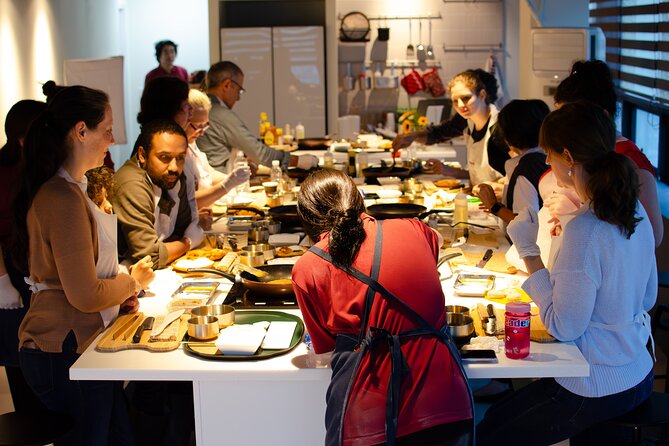
The class can cater to vegan, vegetarian, pescatarian, gluten-free, and halal diets. A participant with a peanut allergy and restrictions on beef and pork was able to eat the food they prepared, which is encouraging if you have dietary needs.
If you need an adjustment, be specific when arranging the class. The available information confirms that these options can be accommodated, but it does not explain how each recipe is changed or how allergy controls are handled. For a serious allergy, contact the provider before booking and ask directly about ingredients and cross-contact.
Is $109 a fair price?
At $109 per person, the class costs more than a casual meal, but the comparison is not quite one-to-one. You are paying for about 2.5 hours of instruction, a broad assortment of dishes, the chance to cook, and a meal made from the food prepared in class. The small-group format and ability to request dietary options add practical value.
The price makes the most sense if you are interested in Korean food and want an activity that combines a meal with instruction. It is less compelling if you only want a recipe demonstration, or if your main goal is to master advanced cooking techniques. The class is designed as an introduction, and its value lies in the variety, hospitality, and shared meal as much as in technical training.
Some participants have received a cookbook, and one account also mentions a tote bag. These are nice extras, but they should not be treated as guaranteed inclusions unless confirmed when you book.
Finding the class in Jongno
The meeting point is 71-6 Jongno 2(i)-ga, Jongno District, Seoul, and the activity ends back there. The location is near public transportation, which helps when fitting the class into a day of sightseeing. Build in time to reach the meeting point, especially if you are unfamiliar with the area.
Your ticket is mobile, and confirmation is provided at booking. Service animals are allowed. Free cancellation is available up to 24 hours before the start time; cancellations inside that window are not refunded, and changes made within 24 hours are not accepted. The cutoff follows local Seoul time.
Who should book Seoul Cooking Club?
Book this class if you want to understand Korean food through a meal you help make, enjoy trying several dishes at once, or need a cooking activity with options for different diets. It is especially well suited to beginners, couples, families, and solo visitors looking for a social activity that also gives them useful food context.
Skip it if you are seeking a highly technical class with every ingredient prepared from scratch, or if you would rather spend the time exploring Seoul independently. For most food-curious visitors, though, the mix of instruction, tasting, and a generous shared meal makes this a strong use of an afternoon or evening. Come hungry, ask questions, and treat the recipes as a starting point for the rest of your trip.
FAQ
How long is the Korean cooking class?
The class lasts approximately 2 hours and 30 minutes.
What is the maximum group size?
The class has a maximum of 12 participants.
Where does the class meet?
It starts at 71-6 Jongno 2(i)-ga, Jongno District, Seoul, and ends at the same meeting point.
What kinds of dishes might I prepare?
Dishes described for the class include bulgogi, bibimbap, japchae, gimbap, Korean pancakes, and dessert. The specific menu may vary.
Can the class accommodate dietary preferences?
Yes. Vegan, vegetarian, pescatarian, gluten-free, and halal options are available. Contact the provider about specific allergies or restrictions.
What is the cancellation policy?
You can cancel at least 24 hours before the start time for a full refund. Cancellations or changes made less than 24 hours before the experience are not accepted for a refund or change.
Latest reviews from Seoul
- From Seoul: Hwacheon Ice Fishing and Lighting Festival Tour★ 4.5 · 4 reviews
- Unique Native Experience : Han River Picnic, Board game, BBQ★ 5.0 · 3 reviews
- You’re Invited to Our Home in Seoul: The Only Cooking Class!★ 5.0 · 8 reviews
- Seoul: Gangneung BTS K-Pop & K-Drama Filming Locations Tour★ 4.6 · 14 reviews
- Yun Korean Cooking Class in Seoul★ 5.0 · 6 reviews
- 2-Hour Private Kayaking and Paddleboarding Experience in Hanriver★ 5.0 · 3 reviews
- Day Trip to Yongin Daejanggeum and Korean Folk Village from Seoul★ 4.0 · 9 reviews
- K-Pop Making Class with a Producer!★ 5.0 · 3 reviews
Seoul Cooking Classes, compared.
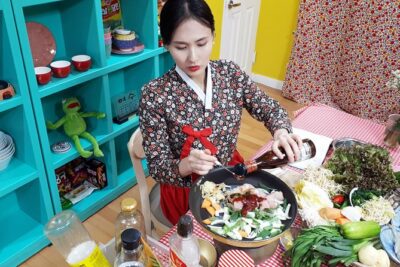
Local Home Korean Cooking Class & Market Adventure in Seoul
Read our review →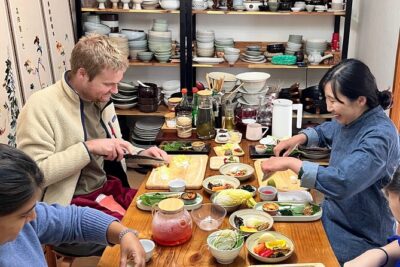
Master Korean traditional cooking with a Kimchi chef
Read our review →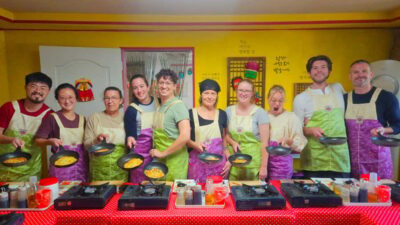
Korean Cooking Class at a Local Home and Market Tour
Read our review →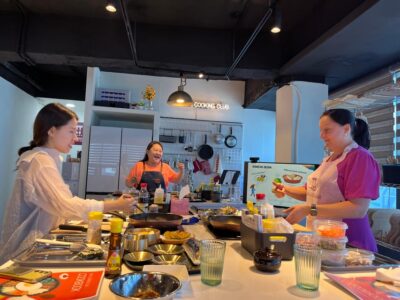
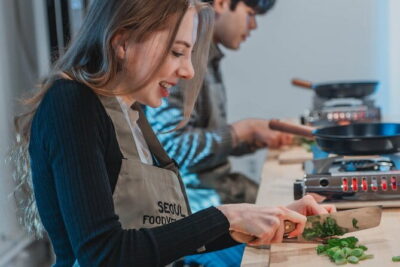
Korean Cooking Class with Grocery Shopping at Seoul Local Market
Read our review →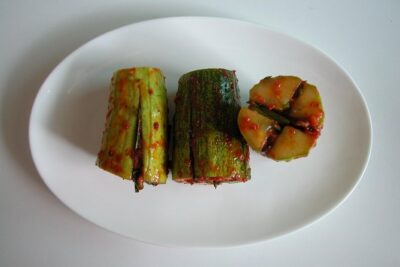
Korean Kimchi Making Day Experience with a Local Market Tour
Read our review →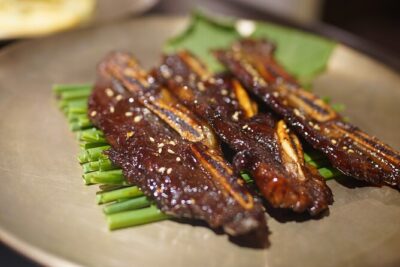
Royal Seoul Cooking Class in a 100-Year-Old Hanok
Read our review →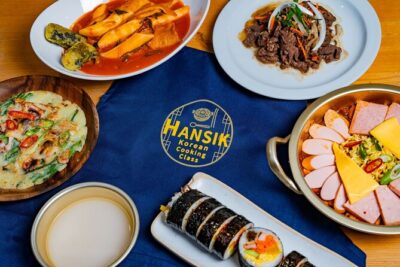
Taste of Korea, Authentic Home-Style Cooking Class
Read our review →Browse the lists this tour appears in