
Reviewed · SEOUL COOKING CLASSES
Local Home Korean Cooking Class & Market Adventure in Seoul
The best part of this Seoul experience is the link between the market and the meal: you see ingredients in their everyday setting, then use them in a home kitchen. I especially like the small group of no more than ten and the chance to learn practical things, from Korean food names to how spring onions differ from chives.
You’ll spend about three and a half hours walking, cooking, and eating, so come ready for a full afternoon rather than a quick demonstration. One consideration: the exact dishes can vary, and the class may not suit you if you need a confirmed menu or have dietary requirements that have not been discussed with the host.
- Start at Mangwon Station: Meet at Entrance 2, then walk to the local market with your host.
- Taste as you go: The market visit includes street-food snacks and an introduction to local ingredients.
- Cook four dishes: The menu may include bibimbap or dakgalbi, with the class focused on hands-on participation.
- Eat Hanjeongsik at home: Your meal includes your own dishes, more than ten side dishes, dessert, and a glass of makgeolli.
- Keep the scale personal: The group is capped at ten, and the experience ends back at the meeting point.
From Mangwon Station to the Market
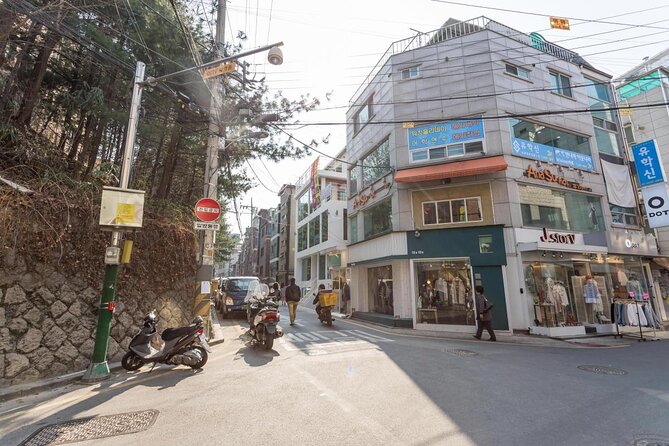
The tour begins at Mangwon Station Entrance 2, at the meeting point in Mangwon-dong. From there, your host leads you into the neighborhood market. The area is part of the experience, not just a place to pick up ingredients before the real activity starts.
At the market, your guide introduces local foods, produce, herbs, and spices. You’ll also sample street-food snacks along the way. That small taste-and-learn format is useful if you are new to Korean cuisine: rather than memorizing a list of unfamiliar ingredients, you can see what they look like and hear how they fit into local cooking.
Hosts Sarah and Junghee are named in class accounts, and their way of explaining the market is a major part of the appeal. They share food vocabulary and cultural context as you walk. One specific detail participants have learned is the use of spring onions in place of chives in some dishes. You may also encounter a snack such as kwabaeggi, a twisted Korean doughnut.
There is room to ask questions, but remember that this is a group walk and not a private shopping consultation. If you want to buy something for later, ask your host what it is and how it is usually eaten. The tour is designed around ingredients for the class, so do not count on having a long independent shopping stop.
Cooking in a Local Home
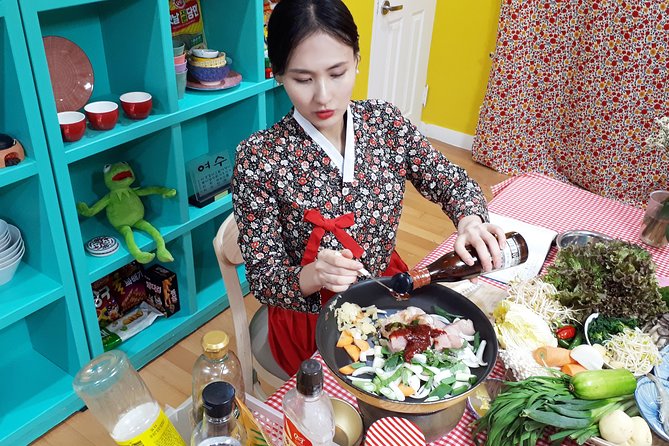
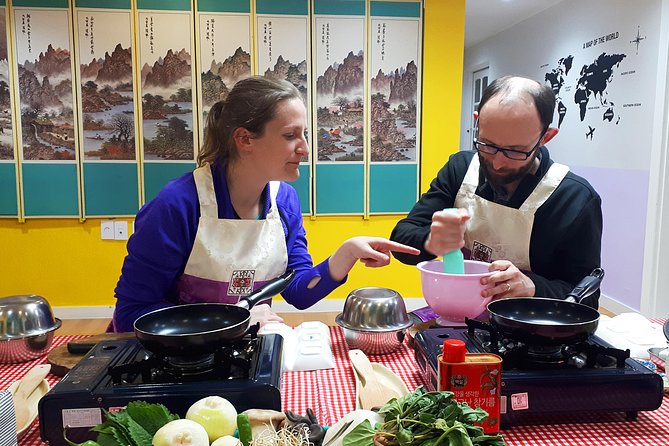
After the market visit, you head to the host’s home for a hands-on Korean cooking class. That shift from market to home gives the afternoon its character: you move from seeing ingredients in a local setting to preparing them in a domestic kitchen, with your host guiding the work.
You’ll make four Korean dishes. Bibimbap, a rice dish served with assorted toppings, and dakgalbi, a spicy chicken dish, are examples of what the menu may include. The precise selection can vary, so think of those as possibilities rather than a promise that both will appear on your class day.
The class is described as fully hands-on. You are there to take part, not simply watch a chef cook. The host demonstrates traditional techniques and offers practical pointers as you work. That makes the class approachable even if you do not cook much at home: participants describe the food as manageable to prepare, and the host keeps the atmosphere relaxed.
I like the chance to learn small kitchen details that are hard to pick up from a recipe alone. A host can explain what an ingredient contributes, how it is used, and which parts of a process matter most. You’ll also have the chance to ask about Korean food beyond the dishes on the table. Sarah and Junghee are described as lively and comfortable explaining in English, and classes can include simple Korean phrases along with food talk.
Cooking together also makes this a good choice for a family or a group of friends with mixed levels of kitchen experience. The class is not pitched as advanced training. It is a social introduction to Korean cooking, with enough practical instruction to give you ideas for recreating dishes at home. If you are an experienced cook, you may want to ask detailed questions while you have the host’s attention.
More market tours in Seoul:
- Seoul: Gyeongbok Palace, Bukchon Village, and Gwangjang Tour
★ 4.9 · 2,321 reviews - Seoul Street Food Market Tour
★ 5.0 · 1,226 reviews - Seoul: Gyeongbok Palace, Bukchon Village, and Gwangjang Tour
★ 5.0 · 1,044 reviews
A Hanjeongsik Meal at the End
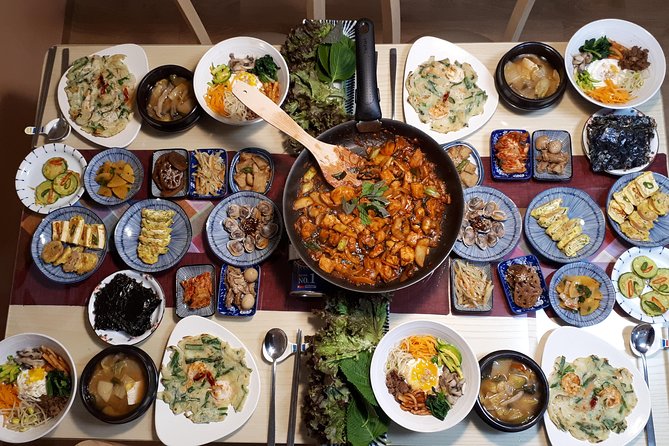
The class finishes around the table with your homemade dishes and a traditional Hanjeongsik-style dinner. The meal includes more than ten side dishes, dessert, and a glass of makgeolli, a Korean rice wine. In practical terms, this is more than a tasting menu: the cooking becomes part of a larger meal, with a range of flavors and accompaniments to try.
A spread of side dishes gives you a useful sense of how a Korean meal can work as a whole. Rather than treating the main dish as the only event, you can taste different small portions alongside the food you prepared. It also gives the host a natural chance to talk about ingredients and eating customs as you sit down.
The meal is likely to be generous after an afternoon of walking and cooking. If you have a small appetite, pace yourself during the market tastings and cooking. If you have dietary restrictions, allergies, or ingredients you cannot eat, contact the provider before booking rather than assuming the menu can be changed. The available details do not specify dietary substitutions.
Makgeolli is included as a glass with the meal. If you do not drink alcohol, check with the provider about what alternatives, if any, may be available. The tour description does not confirm a substitute.
What the Three and a Half Hours Get You
At $91 per person, this is not the cheapest way to eat Korean food in Seoul. The value comes from combining several activities: a guided market visit, street-food tastings, ingredient explanations, a cooking class, and a full meal in a local home. If you booked each element separately, you would also lose the connection between seeing the ingredients and using them in the kitchen.
The roughly three-and-a-half-hour duration is long enough to give each part some breathing room, but it still occupies a substantial stretch of the day. Plan around it as a half-day activity, not a quick stop between major sights. The meal is part of the experience, so arriving hungry makes sense, while arriving on time matters because the market walk starts from a fixed meeting point.
A maximum group size of ten is a meaningful advantage. You should have more opportunity to hear the host and ask questions than you would in a large demonstration class. Some sessions may be smaller, and a class can even become private if no one else books that date, but you should not count on that outcome.
The tour starts and ends at the same meeting point, near public transportation. You receive a mobile ticket, and confirmation is provided at booking. Free cancellation is available up to 24 hours before the start time; changes or cancellations inside that window are not accepted for a refund.
Who Will Get the Most from This Class
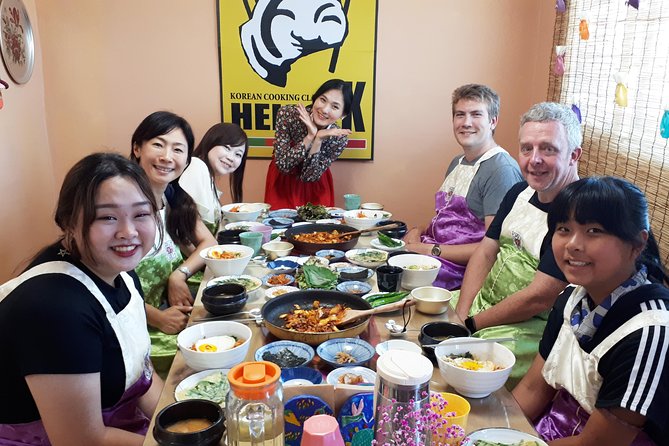
This is a strong fit if you want more than a restaurant meal and enjoy learning by doing. It suits first-time visitors who want a friendly introduction to Korean food, as well as returning visitors who want to spend time in a neighborhood market and kitchen rather than another landmark queue.
Families can find plenty to share here, too. The experience has worked well for parents with older children and adult children, and the group format gives everyone a chance to help with the cooking. Since the class is hands-on, it is best for children who are comfortable following instructions and taking part in a group activity.
You do not need to be a skilled cook. The point is to make familiar Korean dishes with a local host, not to pass a test. If you already cook Korean food often, the market explanations, ingredient tips, and conversation about local life may be more valuable than the basic recipes.
I would think twice if you are looking for a quiet, highly structured cooking lesson with a fixed menu and little social interaction. The host’s personality is central to the experience, and the afternoon combines walking, chatting, cooking, and eating. That lively, personal approach is a plus for most people, but less ideal if you want a formal class or need precise control over every part of the menu.
More cooking classes in Seoul:
- Master Korean traditional cooking with a Kimchi chef
★ 5.0 · 385 reviews - Seoul: Korean Cooking Class at a Local Home and Market Tour
★ 5.0 · 348 reviews - Seoul: Korean Cooking at Seoul Cooking Club!
★ 5.0 · 311 reviews - Korean Cooking at Seoul Cooking Club
★ 5.0 · 220 reviews
A Few Practical Tips Before You Go
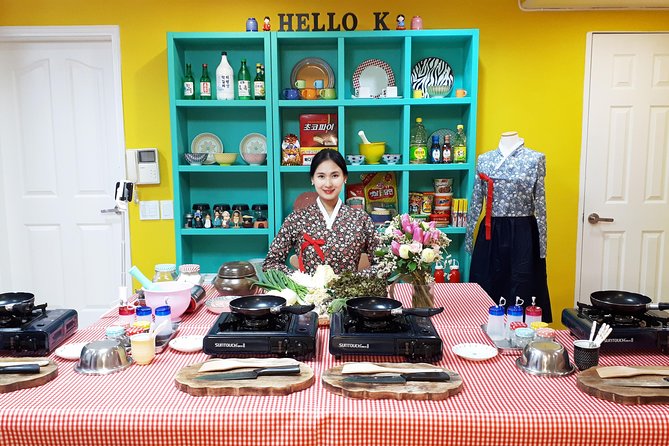
Bring an appetite, comfortable shoes for the market walk, and a willingness to try unfamiliar snacks. The tour is about three and a half hours, and the food tasting comes before the meal, so it is sensible not to eat a large lunch immediately beforehand.
If you have a particular interest, bring a question for the host. You might ask about a spice, a dish you have tried in a restaurant, or how to recreate one of the class recipes at home. Some participants have received recipes and useful restaurant suggestions, but ask directly if you want take-home cooking notes or local recommendations.
The exact menu is not guaranteed in the information provided. If a particular dish is the reason you want to book, check with Hello K Cooking Class before reserving. The same applies to allergies, dietary needs, and whether a nonalcoholic drink can replace the included makgeolli.
Should You Book the Mangwon Market and Cooking Class?
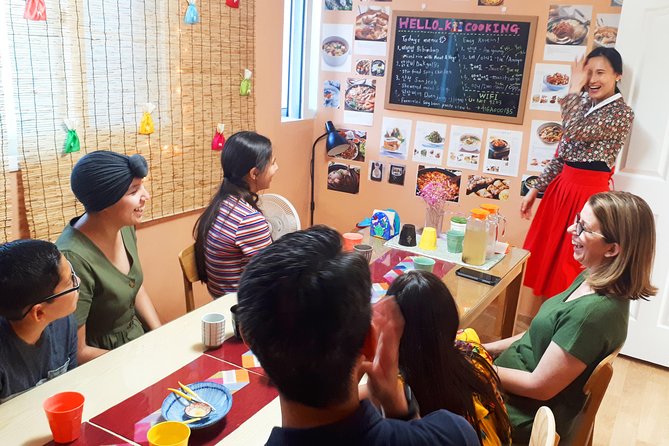
Book this if you want a sociable, food-focused afternoon that connects market shopping with home cooking. The best reasons are the personal scale, the chance to taste street food, and the final meal with your own dishes alongside a wide range of sides.
At $91, the experience offers fair value if you will make use of the full package, especially the guided walk and sit-down dinner. It is less compelling if you only want a recipe lesson or a quick market visit. For an introduction to Korean food that gives you both context and a meal, this is a thoughtful way to spend part of a Seoul day.
FAQ
How long is the experience?
It lasts approximately three hours and thirty minutes.
Where does the tour start?
The meeting point is Mangwon Station Entrance 2, at 377-20 Mangwon-dong, Mapo-gu, Seoul.
Where does the tour end?
It ends back at the meeting point.
How many dishes will I cook?
You’ll prepare four Korean dishes. Examples include bibimbap and dakgalbi, though the exact menu may vary.
What is included in the final meal?
You’ll eat your homemade dishes with more than ten side dishes, dessert, and a glass of makgeolli.
What is the cancellation policy?
You can cancel for a full refund at least 24 hours before the experience begins. Cancellations or changes made less than 24 hours before the start time are not accepted for a refund.
More hands-on workshops in Seoul
- Yongpyong Ski Resort from Seoul with Optional Lesson and Packages
★ 5.0 · 217 reviews - Korean Cooking Class with Grocery Shopping at Seoul Local Market
★ 5.0 · 107 reviews - Royal Seoul Cooking Class in a 100-Year-Old Hanok
★ 5.0 · 81 reviews - Seoul : Taste of Korea, Authentic Home-Style Cooking Class
★ 5.0 · 64 reviews
More shopping tours in Seoul
- Seoul: Night Market Food Tour with Local Guide
★ 4.9 · 943 reviews - Downtown Seoul Guided Food & Market Tour with 8+ Local Tastings
★ 5.0 · 580 reviews - Seoul Night Palace & Market Food Tour with Vehicle
★ 5.0 · 275 reviews - Cook 3 Authentic Korean Dishes with Local Market Tour
★ 5.0 · 231 reviews
Latest reviews from Seoul
- From Seoul: Hwacheon Ice Fishing and Lighting Festival Tour★ 4.5 · 4 reviews
- You’re Invited to Our Home in Seoul: The Only Cooking Class!★ 5.0 · 8 reviews
- Unique Native Experience : Han River Picnic, Board game, BBQ★ 5.0 · 3 reviews
- Seoul: Gangneung BTS K-Pop & K-Drama Filming Locations Tour★ 4.6 · 14 reviews
- Yun Korean Cooking Class in Seoul★ 5.0 · 6 reviews
- 2-Hour Private Kayaking and Paddleboarding Experience in Hanriver★ 5.0 · 3 reviews
- Day Trip to Yongin Daejanggeum and Korean Folk Village from Seoul★ 4.0 · 9 reviews
- K-Pop Making Class with a Producer!★ 5.0 · 3 reviews
Seoul Cooking Classes, compared.
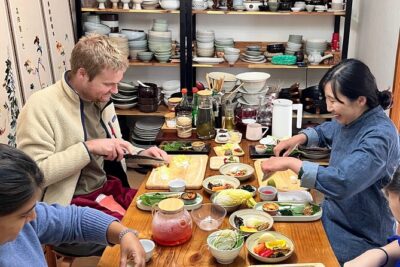
Master Korean traditional cooking with a Kimchi chef
Read our review →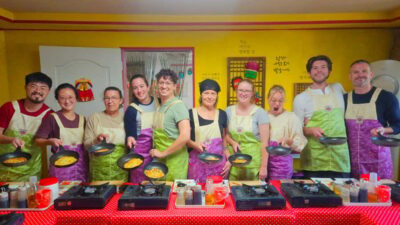
Korean Cooking Class at a Local Home and Market Tour
Read our review →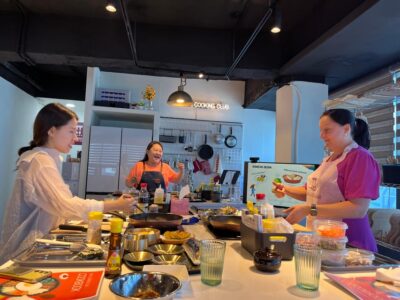
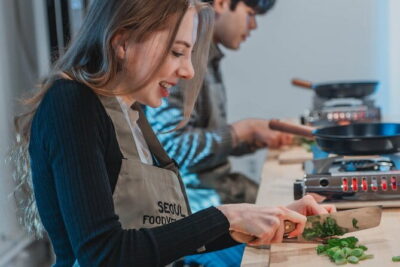
Korean Cooking Class with Grocery Shopping at Seoul Local Market
Read our review →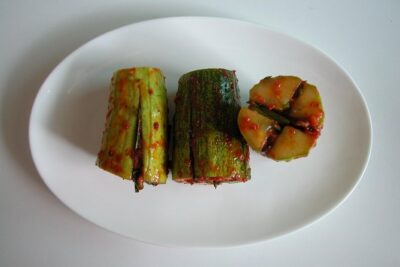
Korean Kimchi Making Day Experience with a Local Market Tour
Read our review →
Royal Seoul Cooking Class in a 100-Year-Old Hanok
Read our review →
Taste of Korea, Authentic Home-Style Cooking Class
Read our review →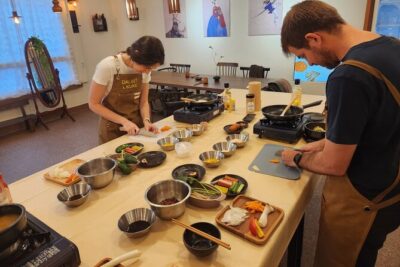
Traditional Korean 6-Dish Cooking Class + Hidden Alley Tour Seoul
Read our review →Browse the lists this tour appears in